AI Appraisal Estimate

AI-generated estimates · not official valuations

From the user

What was submitted

Photo and notes provided by the user — not generated by AI

Submitted item photo
Submitted photo · June 17, 2026

User's notes

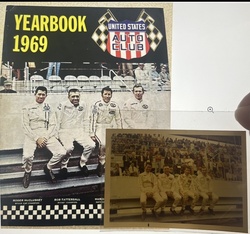
found 8 cyanotype pictures in an envelop from late 1800's. This picture is from Jerusalem

AI analysis below

AI appraisal

AI analysis & estimate

AI-Generated · Verify before acting

Everything below is generated by AI for informational purposes only. AI can make mistakes — the AI may misidentify items or misattribute them (artist, maker, brand, designer, origin, era). This is not an official valuation and should not be used for insurance, sale, tax, estate, legal, or lending purposes — or any decision requiring a certified appraisal. It is not an authoritative claim about any person, brand, or rights holder — do not share or rely on it as a factual statement about a third party. Always consult qualified professionals before making financial decisions.

Note

This analysis also relies on unverified notes provided by the user, which may be incomplete or inaccurate and could affect the result.

Read the full disclaimer

AI Identification

·Not independently authenticated·Verify before acting

Late 19th Century Cyanotype Photograph of Jerusalem

Antique Photography and Ephemera

AI Estimated Value

·Not an official valuation·Verify before acting

$450 - $700

As of June 17, 2026

AI Item Analysis

·AI can make mistakes·Verify before acting
This item is an antique cyanotype photograph on paper, dating from the late 19th century (circa 1880-1900). The image depicts a prominent architectural scene from Jerusalem, featuring a large domed structure, likely the Al-Aqsa Mosque or the Dome of the Rock, set against a fortified wall and hilly landscape. Physically, the photograph exhibits the characteristic Prussian blue color palette of the cyanotype process, with varying tonal depths ranging from pale sky-blues to deep indigo shadows. The paper appears to be a lightweight, non-glossy stock typical of the period, possibly hand-sensitized given the slight irregularities in the emulsion coverage. The scene is captured from a distance, showing a hillside in the foreground and figures visible near the base of the structure, adding a sense of scale and historical human context. Condition-wise, the print shows signs of mechanical wear consistent with age, including slight paper curling, edge wear, and visible foxing/staining in the upper sky area. There is a slight blurring of detail which may be due to the original lens quality or minor movement during exposure. No clear maker's marks or signatures are visible on the front, suggesting it may have been from a amateur travel collection or part of an unsigned series. Its historical value is enhanced by the specific location and the use of the early cyanotype photographic technique.

AI Appraisal Report

·AI can make mistakes·Verify before acting
I have carefully examined the late 19th-century cyanotype of Jerusalem. The image presents a characteristic Prussian blue palette indicative of the hand-sensitized ferro-prussiate process. The architectural subject—likely the Dome of the Rock—is a highly sought-after subject in early Holy Land photography. The presence of foxing and edge wear is consistent with an unmounted print of this age, and the lack of a studio stamp suggests this was likely produced by a high-level amateur traveler or as part of a distributed series for the pilgrimage market. Market demand for early Middle Eastern photography remains steady, particularly for alternative processes like cyanotypes which offer a distinct aesthetic compared to the more common albumen prints. Recent auction data for individual 19th-century cyanotypes of 'Grand Tour' locations typically range from $150 to $300; however, because this is part of a cohesive set of eight, the contextual value increases the individual estimate. The topographical significance of Jerusalem adds a premium, as collectors of Judaica and Islamic history compete for these early visual records. While the visual characteristics—emulsion irregularities and paper texture—align with a circa 1880-1900 origin, this appraisal is based on digital surrogates. A physical inspection is required to verify the paper's watermark and ensure the 'blue' is not a modern digital reproduction or a later solar print. To confirm full authenticity and potentially increase the valuation, provenance documentation regarding the original envelope or family history would be essential. Professional conservation to address the foxing would also be a factor in long-term value retention.

Get your items appraised

Instant estimates of your treasures with AI-powered appraisals

Browse More Appraisals