AI Appraisal Estimate

AI-generated estimates · not official valuations

From the user

What was submitted

Photo and notes provided by the user — not generated by AI

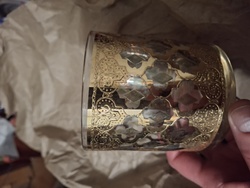
Submitted item photo
Submitted photo · June 6, 2026

User's notes

Mid century

AI analysis below

AI appraisal

AI analysis & estimate

AI-Generated · Verify before acting

Everything below is generated by AI for informational purposes only. AI can make mistakes — the AI may misidentify items or misattribute them (artist, maker, brand, designer, origin, era). This is not an official valuation and should not be used for insurance, sale, tax, estate, legal, or lending purposes — or any decision requiring a certified appraisal. It is not an authoritative claim about any person, brand, or rights holder — do not share or rely on it as a factual statement about a third party. Always consult qualified professionals before making financial decisions.

Note

This analysis also relies on unverified notes provided by the user, which may be incomplete or inaccurate and could affect the result.

Read the full disclaimer

AI Identification

·Not independently authenticated·Verify before acting

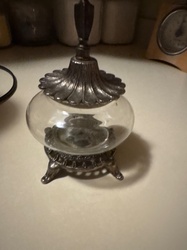
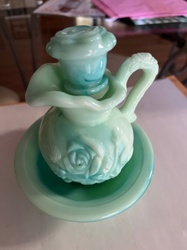
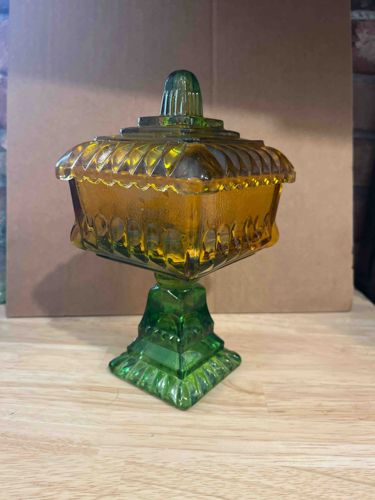
Mid-Century Two-Tone Amber and Green Pedestal Covered Candy Dish

Decorative Glassware

AI Estimated Value

·Not an official valuation·Verify before acting

$45-65

As of June 6, 2026

AI Item Analysis

·AI can make mistakes·Verify before acting
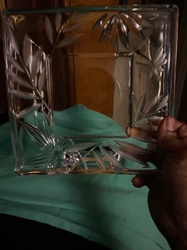
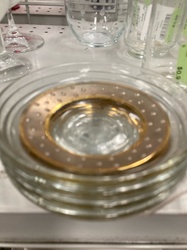
This item is a decorative covered candy dish, likely made from pressed glass, exhibiting a two-tone color scheme. The main body and lid are a warm, translucent amber or gold glass, while the pedestal base is a vibrant, translucent green. The overall form suggests a Mid-Century stylistic influence. The dish features a square-shaped bowl with beveled corners, adorned with a repeating circular or scalloped pattern on its lower exterior. The matching square lid has a stepped design, tapering upwards to a fluted, finial-like handle. The edges of the lid are also decorated with a scalloped or fan-like pressed pattern. The piece stands on a prominent, sculpted pedestal base which consists of a square shaft transitioning to a wider, fluted or ribbed square foot, echoing the squareness of the dish itself. The craftsmanship appears to be of reasonable quality for pressed glass, with clear lines and uniform patterns, suggesting mass production methods common in the mid-20th century. No obvious chips, cracks, or significant damage are visible in the provided images, indicating a good state of preservation. The glass surfaces show a smooth, glossy finish typical of well-maintained or lightly used antique or vintage glassware. There are no discernible maker's marks or signatures visible from the provided views. The use of vibrant, contrasting colors is characteristic of decorative items from the Mid-Century period.
AI Appraisal Report

·AI can make mistakes·Verify before acting
Upon examining the provided images of this Mid-Century two-tone covered candy dish, I find it to be a compelling example of decorative glassware from the period. The object presents in excellent condition, with no visible chips, cracks, or significant surface wear. The pressed glass construction, characterized by its square form, beveled corners, and repeating scalloped patterns, is consistent with mass-produced items from the mid-20th century. The vibrant amber and green color combination is particularly characteristic of the era's design ethos. While no maker's mark is visible, the style is reminiscent of pieces produced by companies like L.E. Smith or Fenton, although attribution is speculative without a mark. The primary factor influencing value for this type of decorative glass is its aesthetic appeal and condition. The current market for Mid-Century glass is steady, particularly for visually striking and well-preserved pieces. Comparable unmarked two-tone pedestal candy dishes in good condition typically sell in the lower to mid-range of the decorative glass market. Its desirability is high among collectors of Mid-Century modern decor. It is important to note that this appraisal is based solely on visual examination of images. A definitive attribution to a specific manufacturer would require in-person inspection to search for faint or hidden maker's marks, or comparison with authenticated examples in pattern books. Without such marks or provenance, its origin remains unconfirmed, which tempers the value compared to a fully authenticated piece.

Get your items appraised

Instant estimates of your treasures with AI-powered appraisals

Browse More Appraisals