AI Appraisal Estimate

AI-generated estimates · not official valuations

From the user

What was submitted

Photo and notes provided by the user — not generated by AI

Submitted item photo
Submitted photo · June 23, 2026

User's notes

Clay magnet

AI analysis below

AI appraisal

AI analysis & estimate

AI-Generated · Verify before acting

Everything below is generated by AI for informational purposes only. AI can make mistakes — the AI may misidentify items or misattribute them (artist, maker, brand, designer, origin, era). This is not an official valuation and should not be used for insurance, sale, tax, estate, legal, or lending purposes — or any decision requiring a certified appraisal. It is not an authoritative claim about any person, brand, or rights holder — do not share or rely on it as a factual statement about a third party. Always consult qualified professionals before making financial decisions.

Note

This analysis also relies on unverified notes provided by the user, which may be incomplete or inaccurate and could affect the result.

Read the full disclaimer

AI Identification

·Not independently authenticated·Verify before acting

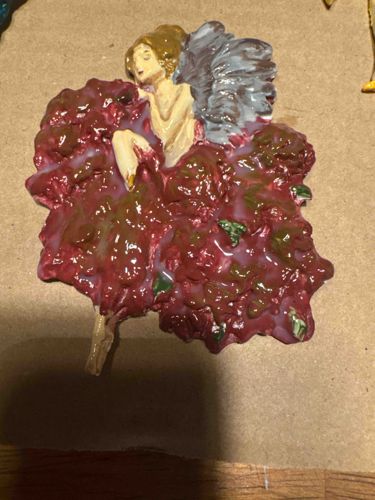
Handmade Sleeping Angel Ceramic Magnet

Decorative Collectibles / Handmade Ceramics

AI Estimated Value

·Not an official valuation·Verify before acting

$10.00 - $18.00

As of June 23, 2026

AI Item Analysis

·AI can make mistakes·Verify before acting
This item is a decorative bas-relief magnet crafted from clay, depicting a sleeping angel or fairy nestled within a dense cluster of flowers, likely roses. The piece is hand-molded with a high-gloss, drip-glaze finish that gives it a textured, fluid appearance. The angel figure features blonde/golden hair and pale blue-grey wings, shown in a reclining profile. The surrounding floral elements are colored in a deep burgundy or mauve hue with small accents of green representing leaves. The construction appears to be kiln-fired ceramic or possible polymer clay with a thick epoxy resin or glossy glaze coating, which has pooled in the recesses creating white/opaque transitions. In terms of condition, the glaze shows significant pooling and bubbles, which are characteristic of amateur or folk-art craftsmanship rather than commercial mass production. There is a visible drip of glaze running down the bottom-left edge, resembling a foot or stem. The style is contemporary folk art with a whimsical, cottagecore aesthetic. No maker's marks are visible on the front, suggesting it is a unique, handmade hobbyist piece probably dating from the late 20th to early 21st century.
AI Appraisal Report

·AI can make mistakes·Verify before acting
I have conducted a visual examination of the Handmade Sleeping Angel Ceramic Magnet. This piece is categorized as contemporary folk art or hobbyist craft, likely produced between 1990 and 2010. The item displays a whimsical 'cottagecore' aesthetic, featuring a bas-relief angel nestled in roses. My assessment of the condition reveals significant technical inconsistencies in the glaze application, including opaque pooling and air bubbles, which are indicative of amateur kiln-firing or resin-coating techniques. While these traits confirm a unique, handmade origin, they detract from the technical value found in professional-grade studio pottery. The market for small, anonymous decorative magnets is primarily driven by sentimental value and gift-shop utility rather than investment-grade collecting. Comparable items found at craft fairs or on secondary platforms like Etsy or eBay typically fall within the $10 to $20 range. The absence of a maker’s mark or signature further limits its collectibility, as it cannot be attributed to a recognized artist or specific studio. Factors impacting value include the charming subject matter and the 'handmade' appeal, though the visible glaze drip on the lower edge is a notable defect in craftsmanship. Please be advised that authentication via images is limited. A physical inspection would be required to determine the exact material composition—specifically if it is earthenware ceramic or polymer clay—and to check for structural stress fractures beneath the thick glaze. Provenance regarding the specific artisan or the geographical origin of the piece would be necessary to elevate the valuation above the casual decorative market.

Get your items appraised

Instant estimates of your treasures with AI-powered appraisals

Browse More Appraisals