AI Appraisal Estimate

AI-generated estimates · not official valuations

From the user

What was submitted

Photo and notes provided by the user — not generated by AI

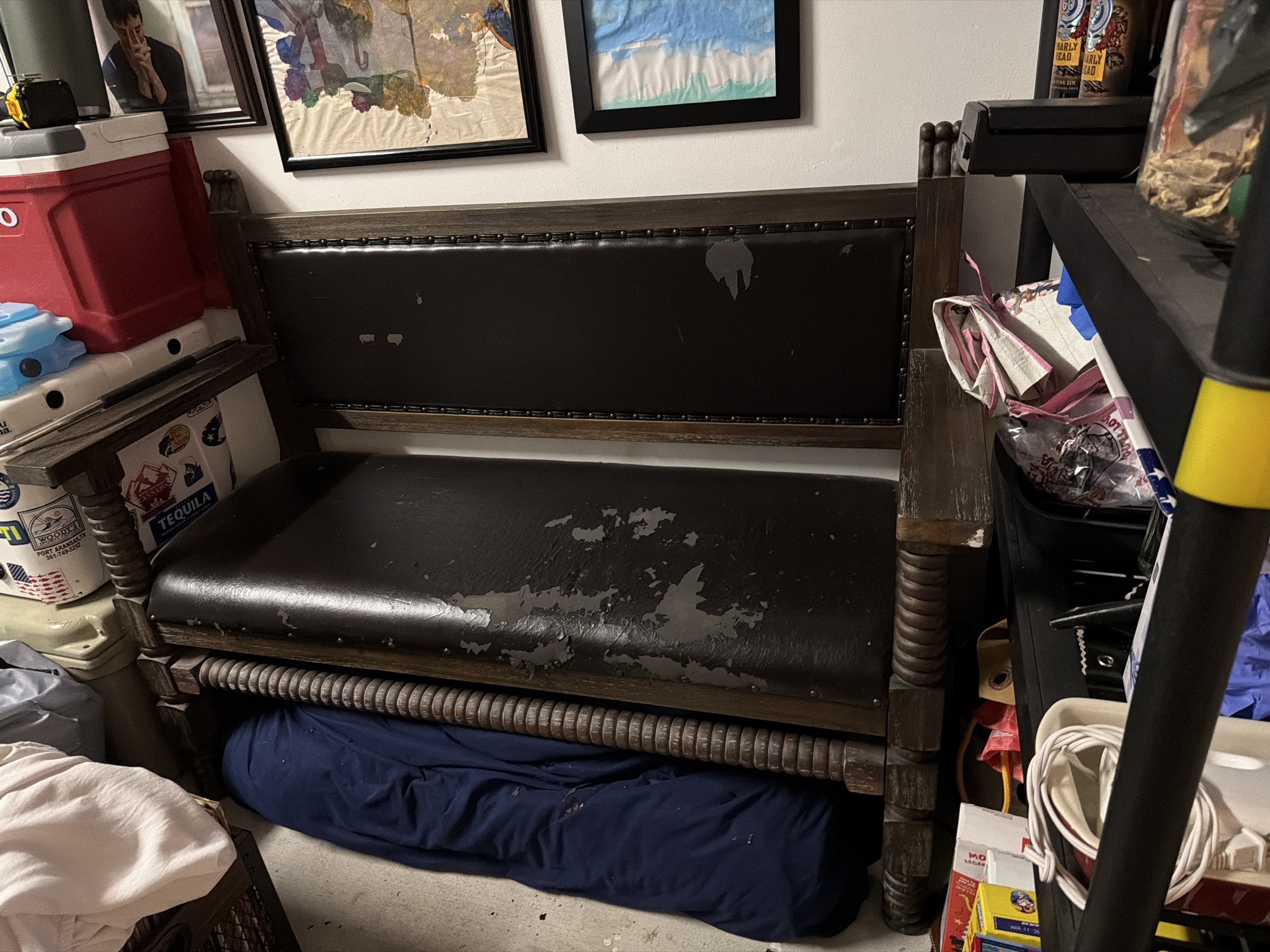
Submitted item photo
Submitted photo · June 14, 2026

User's notes

No additional notes provided.

AI analysis below

AI appraisal

AI analysis & estimate

AI-Generated · Verify before acting

Everything below is generated by AI for informational purposes only. AI can make mistakes — the AI may misidentify items or misattribute them (artist, maker, brand, designer, origin, era). This is not an official valuation and should not be used for insurance, sale, tax, estate, legal, or lending purposes — or any decision requiring a certified appraisal. It is not an authoritative claim about any person, brand, or rights holder — do not share or rely on it as a factual statement about a third party. Always consult qualified professionals before making financial decisions.

Read the full disclaimer

AI Identification

·Not independently authenticated·Verify before acting

Spanish Colonial Style Turned Oak and Faux Leather Settee

Furniture

AI Estimated Value

·Not an official valuation·Verify before acting

$150 - $250

As of June 14, 2026

AI Item Analysis

·AI can make mistakes·Verify before acting
This item is a two-seater settee or bench crafted in a Spanish Colonial or Jacobean Revival style. The piece features a dark-stained wood frame, likely oak or a similar hardwood, characterized by heavy spool-turned or 'bobbin' legs and stretchers. The vertical supports and the front lower stretcher display a rhythmic, repetitive turned pattern, which is a hallmark of this traditional furniture style. The seat and backrest are upholstered in a dark brown faux leather or vinyl material, secured to the frame with a series of decorative antiqued brass nailhead trims. The backrest is rectangular and framed by the wood, while the seat is slightly padded for comfort. In terms of condition, the piece shows significant wear. The faux leather upholstery on the seat is severely peeling and cracking, revealing the fabric backing underneath. There is also visible peeling on the top right section of the backrest. The wood frame exhibits scuffs, scratches, and finish loss, particularly on the armrests and edges, consistent with heavy use. While the structure appears sturdy, the cosmetic condition of the upholstery would require professional restoration or reupholstering to return it to it's original aesthetic. The style suggests it was likely manufactured in the mid-to-late 20th century as a revival piece, attempting to capture the rustic elegance of earlier Mediterranean design.
AI Appraisal Report

·AI can make mistakes·Verify before acting
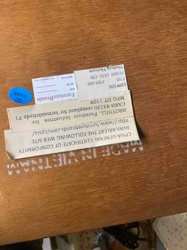
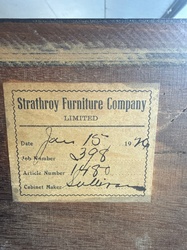
Upon my visual examination of this Spanish Colonial/Jacobean Revival style settee, I have determined it to be a mid-to-late 20th-century production rather than an 18th-century original. The repetitive spool-turned (bobbin) legs and stretchers are characteristic of revival furniture popular in the 1960s and 70s. While the oak frame appears structurally sound, the condition of the upholstery is poor. The faux leather (polyurethane or vinyl) exhibits significant delamination and peeling, exposing the textile backing. This material failure, combined with surface finish loss on the armrests, necessitates a full reupholstery and wood refinishing to restore its decorative utility. The current market for 20th-century Mediterranean revival pieces is soft, especially for items requiring significant restoration. Comparables in excellent condition typically sell at auction for $400-$600; however, given the cost of professional upholstery services—which likely exceeds the value of the piece—the current valuation is primarily based on the frame's structural integrity. This item lacks the rarity of authentic period Spanish Colonial furniture, which would feature hand-carved joinery and genuine aged leather. Limitations: My assessment is based solely on digital images. A physical inspection is required to confirm the wood species and the method of joinery (e.g., machine-cut vs. hand-cut tenons). Authenticity could be further verified by looking for manufacturer labels underside or examining the oxidation levels of the internal wood frame. For a full authentication, provenance documentation or a chemical analysis of the upholstery foam would help precisely date the manufacturing decade.

Get your items appraised

Instant estimates of your treasures with AI-powered appraisals

Browse More Appraisals