AI Appraisal Estimate

AI-generated estimates · not official valuations

From the user

What was submitted

Photo and notes provided by the user — not generated by AI

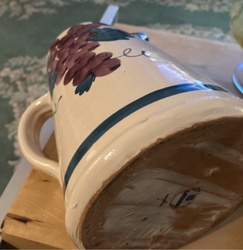
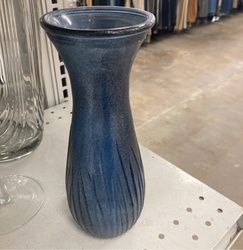
Submitted item photo
Submitted photo · June 3, 2026

User's notes

No additional notes provided.

AI analysis below

AI appraisal

AI analysis & estimate

AI-Generated · Verify before acting

Everything below is generated by AI for informational purposes only. AI can make mistakes — the AI may misidentify items or misattribute them (artist, maker, brand, designer, origin, era). This is not an official valuation and should not be used for insurance, sale, tax, estate, legal, or lending purposes — or any decision requiring a certified appraisal. It is not an authoritative claim about any person, brand, or rights holder — do not share or rely on it as a factual statement about a third party. Always consult qualified professionals before making financial decisions.

Read the full disclaimer

AI Identification

·Not independently authenticated·Verify before acting

Hungarian Terra Cotta Pottery Vessel Base

Ceramics and Pottery

AI Estimated Value

·Not an official valuation·Verify before acting

$45-85

As of June 3, 2026

AI Item Analysis

·AI can make mistakes·Verify before acting
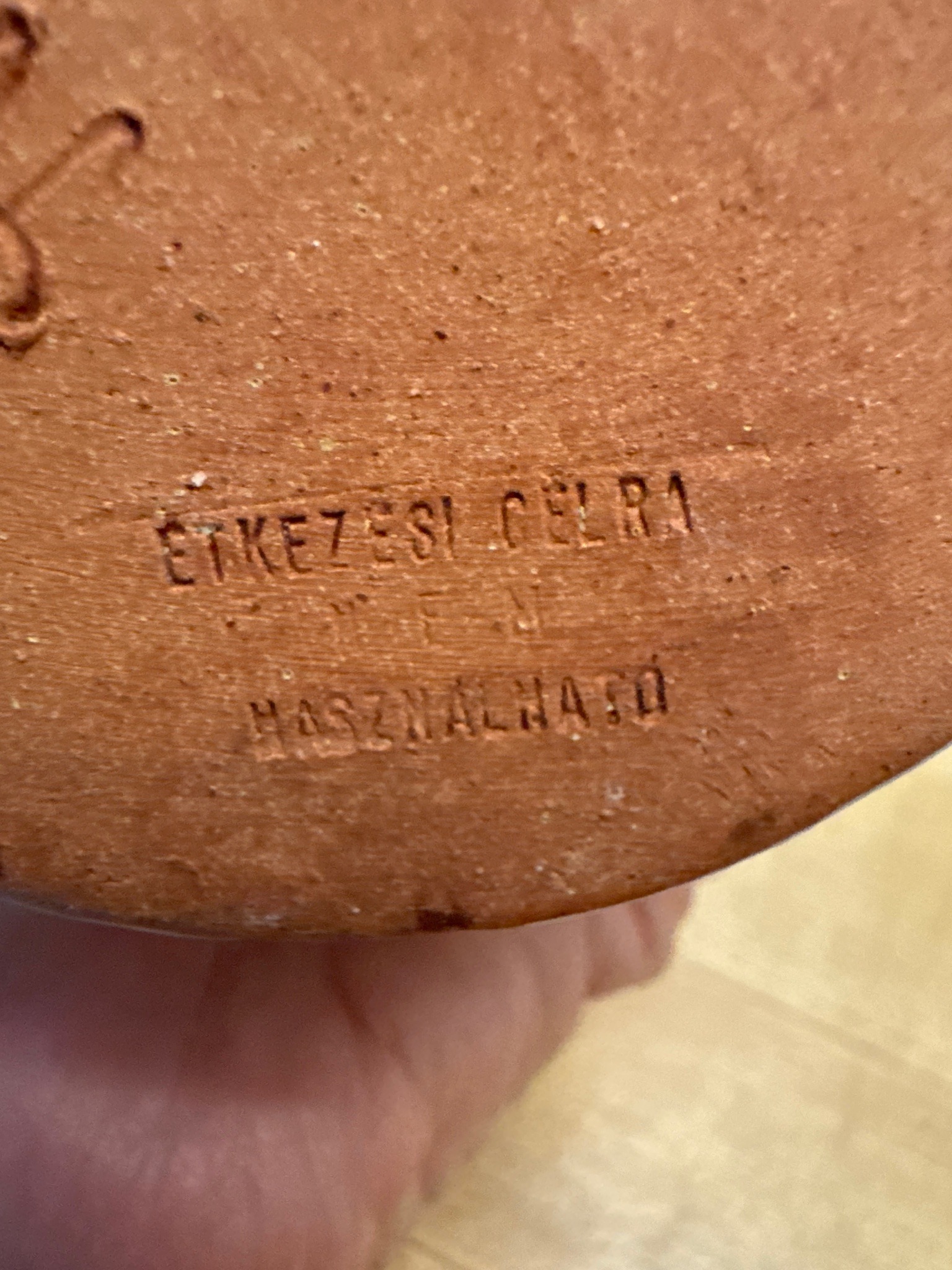
This item is the base of a terra cotta ceramic vessel, distinguished by its warm, earthy orange-red clay body. The construction exhibits a rustic, handcrafted quality with a slightly granular surface texture. A primary feature of this piece is the impressed Hungarian text on the bottom which reads 'ÉTKEZÉSI CÉLRA HASZNÁLHATÓ,' translating to 'Can be used for dining purposes' or 'Food safe.' This indicates the item was intended for functional kitchen or tableware use rather than purely decorative purposes. Above the main text, there is a partially obscured or faintly stamped maker's mark or initials, likely representing the specific workshop or artisan. The clay shows a natural patina with minor surface irregularities and a matte finish, characteristic of unglazed or lightly treated earthenware. The condition appears stable, though there are visible signs of handling and shelf wear commensurate with age, including small pitting and subtle variations in the clay’s color. The style is indicative of 20th-century Hungarian folk pottery or regional artisanal production, emphasizing durability and traditional utility.
AI Appraisal Report

·AI can make mistakes·Verify before acting
I have examined the digital images of this Hungarian terra cotta vessel base. The piece is characteristic of mid-to-late 20th-century Hungarian folk pottery or regional production. The terracotta body displays the expected grainy texture and oxidative firing results typical of the Carpathian Basin’s clay sources. The presence of the stamp 'ÉTKEZÉSI CÉLRA HASZNÁLHATÓ' specifically indicates a post-1950s production era, as such food-safety labeling became formalized for artisanal export and domestic retail during the socialist period to distinguish functional wares from lead-glazed decorative pieces. The condition appears fair to good; the surface shows expected shelf wear, minor pitting, and localized discoloration consistent with light household use. Authenticity is supported by the specific linguistic phrasing and the stamped maker's mark, though the latter is too faint to definitively attribute to a specific master potter without tactile inspection. Market demand for utilitarian Hungarian folk pottery is currently stable but modest. Comparables include mass-produced Zsolnay kitchenware (which commands higher prices) versus these anonymous artisanal earthenware pieces often found in European regional markets. Value is limited by the fact that this is a functional, likely mass-produced regional item rather than a signed work by a renowned ceramicist like Margit Kovács. This appraisal carries the limitation that I cannot perform a resonance test to check for internal hairline cracks, nor can I verify the chemical composition of any surface treatment. A full authentication would require physical examination to verify the maker’s stamp under magnification and provenance documentation linking it to a specific Hungarian workshop (such as Mezőtúr or Hódmezővásárhely).

Get your items appraised

Instant estimates of your treasures with AI-powered appraisals

Browse More Appraisals