AI Appraisal Estimate

AI-generated estimates · not official valuations

From the user

What was submitted

Photo and notes provided by the user — not generated by AI

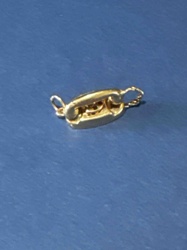
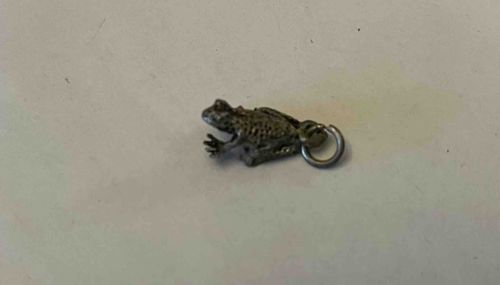
Submitted item photo
Submitted photo · May 28, 2026

User's notes

Approximately 2 cm long

AI analysis below

AI appraisal

AI analysis & estimate

AI-Generated · Verify before acting

Everything below is generated by AI for informational purposes only. AI can make mistakes — the AI may misidentify items or misattribute them (artist, maker, brand, designer, origin, era). This is not an official valuation and should not be used for insurance, sale, tax, estate, legal, or lending purposes — or any decision requiring a certified appraisal. It is not an authoritative claim about any person, brand, or rights holder — do not share or rely on it as a factual statement about a third party. Always consult qualified professionals before making financial decisions.

Note

This analysis also relies on unverified notes provided by the user, which may be incomplete or inaccurate and could affect the result.

Read the full disclaimer

AI Identification

·Not independently authenticated·Verify before acting

Frog or Toad Charm (Metal)

Jewelry Charm

AI Estimated Value

·Not an official valuation·Verify before acting

$10-30

As of May 28, 2026

AI Item Analysis

·AI can make mistakes·Verify before acting
This item is a small, cast metal charm, approximately 2 cm in length, depicting a frog or toad. The material appears to be a silver-toned metal, possibly sterling silver, pewter, or a silver alloy, exhibiting a dark patina in the recessed areas, which highlights the textured details and suggests some age or oxidation. The construction is solid cast, giving it a three-dimensional and weighted feel for its size. The frog is rendered with realistic details, including visible bumps on its back mimicking amphibian skin, distinct legs, and a discernible head with what appears to be small eyes and a mouth. One of the distinguishing features is the presence of an integral jump ring or loop attached to the rear of the frog's body, indicating its primary function as a charm for a bracelet, necklace, or similar piece of jewelry. There are no clearly visible maker's marks or stamps in the provided image. The overall condition appears good, with the patina adding to its character rather than indicating damage. There are no obvious signs of significant wear, repairs, or breakage. The style suggests it could be from the mid to late 20th century, a period when animal-themed charms were particularly popular. The craftsmanship, while not excessively intricate, shows good attention to anatomical detail for a piece of this scale, indicative of a quality manufacturing process for mass-produced charms.

AI Appraisal Report

·AI can make mistakes·Verify before acting
Upon my virtual examination of this charming frog or toad charm, measuring approximately 2 cm, I assess its condition as good. The dark patina in the recessed areas enhances its detail and suggests either age or intentional oxidation, which contributes positively to its aesthetic, rather than indicating damage. Authenticity, based solely on the image, appears consistent with a vintage charm, likely mid to late 20th century. The integral jump ring and casting quality align with mass-produced charms of that era. Market conditions for vintage animal-themed charms are generally stable, driven by collectors and enthusiasts of charm bracelets. Comparables in similar condition and material (silver-toned base metal, not demonstrably sterling) typically range from modest prices online. Demand is moderate, rather than high, for common animal motifs unless there's a unique maker or provenance. The primary factor impacting value is the material; without clear hallmarks, its silver content is undeterminable from an image alone. If it were confirmed sterling silver, its value would be higher. Limitations in authenticity verification are significant. Without a physical examination, I cannot perform a touchstone test for metal content, nor can I visually confirm micro-stamps or maker's marks that might be obscured or too small for photo resolution. Definitive authentication would require in-person inspection, potentially spectroscopic analysis for metal composition, and examination under magnification for any hidden marks. Provenance documentation, such as original purchase receipts or collection history, would also add considerable value and certainty.

Get your items appraised

Instant estimates of your treasures with AI-powered appraisals

Browse More Appraisals