AI identification & appraisal estimate

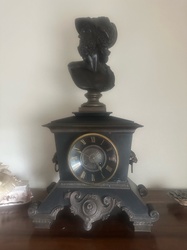
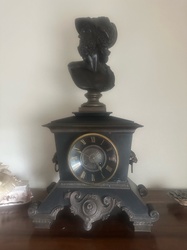
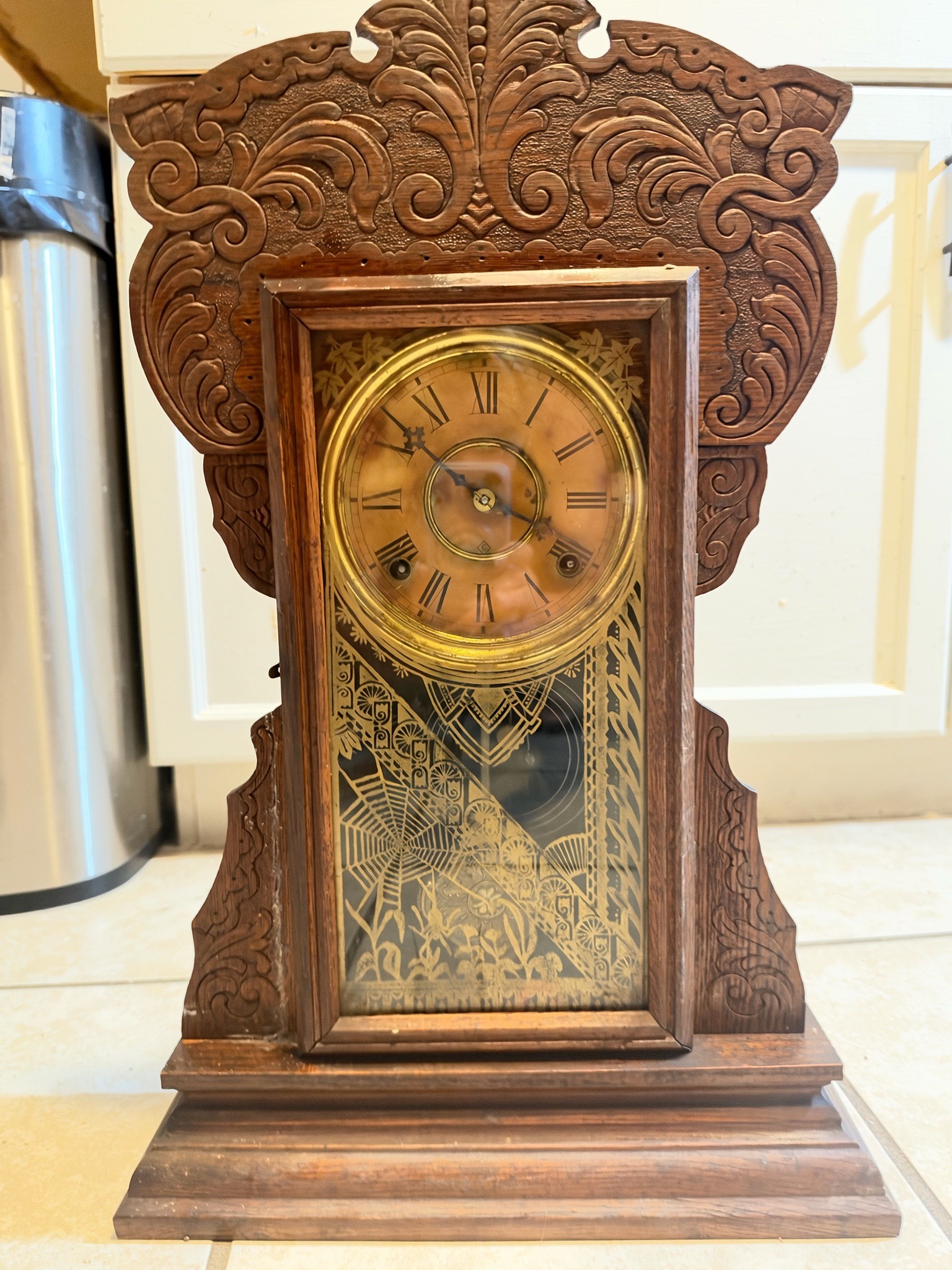
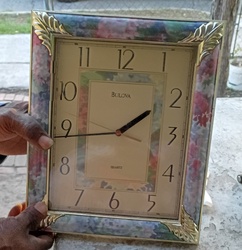
Carved wood mantel clock

Submitted photo of Carved wood mantel clock
Photo submitted by the user — not generated by AI

User's notes

Clock, some discoloration and crack on one side of the wood panel

These notes were written by the person who submitted this item. Appraiser.AI has not verified them, and the AI's identification and estimate may rely on them.

AI Estimated Value

Not an official valuation

$100 - $200

AI estimate as of October 15, 2026 · verify with a professional before acting

AI-Generated · Verify before acting

Everything on this page is generated by AI for informational purposes only. AI can make mistakes — the AI may misidentify items or misattribute them (artist, maker, brand, designer, origin, era). This is not an official valuation and should not be used for insurance, sale, tax, estate, legal, or lending purposes — or any decision requiring a certified appraisal. It is not an authoritative claim about any person, brand, or rights holder — do not share or rely on it as a factual statement about a third party. Always consult qualified professionals before making financial decisions.

This analysis also relies on unverified notes provided by the user, which may be incomplete or inaccurate and could affect the result.

Read the full disclaimer

AI Item Analysis

This item is an antique mechanical mantel clock featuring an elaborate, ornately carved wooden architectural case. The top portion showcases a wide, scrolling crest with deep relief carving and textured stippling backgrounds, typical of styles popular during the late 19th or early 20th century. The central housing contains a round, brass-framed dial with black Roman numerals, two key wind arbors, and stylized hands, protected by a glass door. The lower glass panel is decorated with a complex geometric and botanical gold-tone reverse-painted or stenciled motif that includes stylized spiderweb and floral patterns. The wood displays a medium-dark brown finish with visible grain. Regarding condition, there is some visible discoloration, uneven toning, and minor surface wear across the wooden panels, along with age-related patina on the brass elements. The user-supplied attribution suggests it is a clock with some discoloration and a crack on one side of the wood panel, though this claim and the overall condition remain unverified by physical inspection. There are no clearly legible maker's marks or signatures immediately apparent on the front exterior of the case or dial, so the identification rests purely on the visual characteristics of the case style, dial configuration, and decorative glass tablet. Craftsmanship details such as the deep hand-carving and decorative glass work indicate a mid-to-high quality production from the Victorian or Edwardian era.
AI Appraisal Report

Based on what I can see in the provided imagery, this object is an antique American-style 'gingerbread' or parlor shelf mantel clock, stylistically consistent with late Victorian manufacturing from around 1880 to 1910. Makers such as Ingraham, Gilbert, Sessions, or New Haven produced similar models featuring pressed and carved walnut or oak cases with reverse-stenciled lower tablet glass. However, I cannot verify the specific manufacturer from a photo alone; there are no clear exterior maker's labels visible on the dial, and an in-person examination of the movement or interior paper labels would be necessary to identify the maker. Per user submission, the clock exhibits discoloration and a crack on one side of the wood panel. These noted flaws, combined with visible finish wear, aging of the brass dial surround, and unknown mechanical working order, temper the overall valuation. An uninspected mechanical movement is presumed to require servicing or repair. In the current secondary market, general demand for Victorian parlor clocks is modest, with common decorative models typically achieving $100 to $200 in fair, functioning condition. If physical inspection reveals that the internal movement is completely inoperable, missing parts, or if the case split is structurally severe, the value would likely decline to the $40 to $75 range for parts or restoration. Conversely, should the clock retain an intact interior manufacturer's label and possess a functioning, fully serviced movement, value might approach the higher end of the typical antique clock market.

Keep exploring

More clocks appraisals

Get your items appraised

Instant AI-powered appraisal estimates from a photo

Browse More Appraisals