AI identification & appraisal estimate

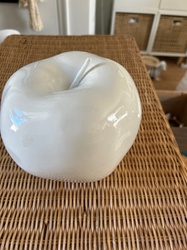
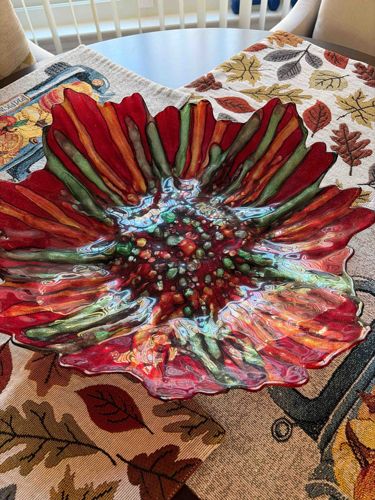
Art Glass Decorative Bowl

Submitted photo of Art Glass Decorative Bowl
Photo submitted by the user — not generated by AI

User's notes

?

These notes were written by the person who submitted this item. Appraiser.AI has not verified them, and the AI's identification and estimate may rely on them.

AI Estimated Value

Not an official valuation

$175-275

AI estimate as of November 4, 2025 · verify with a professional before acting

AI-Generated · Verify before acting

Everything on this page is generated by AI for informational purposes only. AI can make mistakes — the AI may misidentify items or misattribute them (artist, maker, brand, designer, origin, era). This is not an official valuation and should not be used for insurance, sale, tax, estate, legal, or lending purposes — or any decision requiring a certified appraisal. It is not an authoritative claim about any person, brand, or rights holder — do not share or rely on it as a factual statement about a third party. Always consult qualified professionals before making financial decisions.

This analysis also relies on unverified notes provided by the user, which may be incomplete or inaccurate and could affect the result.

Read the full disclaimer

AI Item Analysis

This is a vibrant art glass decorative bowl, likely intended for display rather than functional use with food. Its overall shape suggests a floral inspiration, possibly a sunflower or similar bloom, with undulating edges forming 'petals.' The primary colors are a rich ruby red and a shimmering green, with significant iridescent and metallic accents that create a multifaceted play of light and color. Within the central depression of the bowl, there are numerous raised glass 'dots' or frit details in various shades of red, green, orange, and iridescent silver/gold, adding texture and depth. These dots give the appearance of an embedded, sparkling texture. The glass itself appears to be a medium to heavy gauge, contributing to its substantial feel. The craftsmanship suggests it is a hand-formed or studio art glass piece, as evidenced by the organic, somewhat uneven lines and the deliberate incorporation of color and texture. There are no discernible maker's marks or signatures visible from the provided image. The style is contemporary, possibly dating from the late 20th to early 21st century, common for pieces exhibiting such bold color and iridescent effects. There are no obvious chips, cracks, or repairs visible, suggesting it is in good, used condition. The reflective nature of the glass suggests it could be a frita glass technique or a dichroic coating. The bowl's artistic design and striking colors make it a focal point piece for interior decor.
AI Appraisal Report

I have examined this vibrant art glass decorative bowl based on the provided image and description. My assessment suggests the piece is in good, used condition, with no visible chips, cracks, or repairs. The rich ruby red and shimmering green, coupled with iridescent and metallic accents, create a visually striking effect. The raised glass 'dots' or frit details in various colors add significant texture and depth, contributing to its artistic appeal. This appears to be a studio or hand-formed art glass piece, as indicated by its organic lines and deliberate textural elements. Authenticity, based solely on imagery, points towards a contemporary art glass bowl, likely late 20th to early 21st century. The style, bold colors, and iridescent qualities are consistent with this period. The absence of a discernible maker's mark or signature prevents definitive attribution to a specific artist or studio. Market conditions for contemporary studio art glass bowls of this type are moderately active. Comparables on secondary markets, such as online art and antique marketplaces, suggest a value range for well-executed, unsigned pieces with strong visual interest. Demand is driven by collectors and interior decorators seeking unique decorative accents, though pieces lacking artist identification typically command lower prices than signed works by recognized artists. The aesthetic appeal and condition are strong value drivers, but the lack of provenance or signature limits its top-end potential. To fully authenticate and potentially enhance its value, an in-person examination would be crucial to inspect for any subtle artist's marks, assess the exact glassmaking techniques (e.g., dichroic application vs. frita glass), and rule out any hidden flaws not visible in images. Provenance documentation or scientific testing to identify glass composition could also provide further insights for a more precise valuation.

Keep exploring

More decorative arts appraisals

Get your items appraised

Instant AI-powered appraisal estimates from a photo

Browse More Appraisals