AI Appraisal Estimate

AI-generated estimates · not official valuations

From the user

What was submitted

Photo and notes provided by the user — not generated by AI

Submitted item photo
Submitted photo · June 8, 2026

User's notes

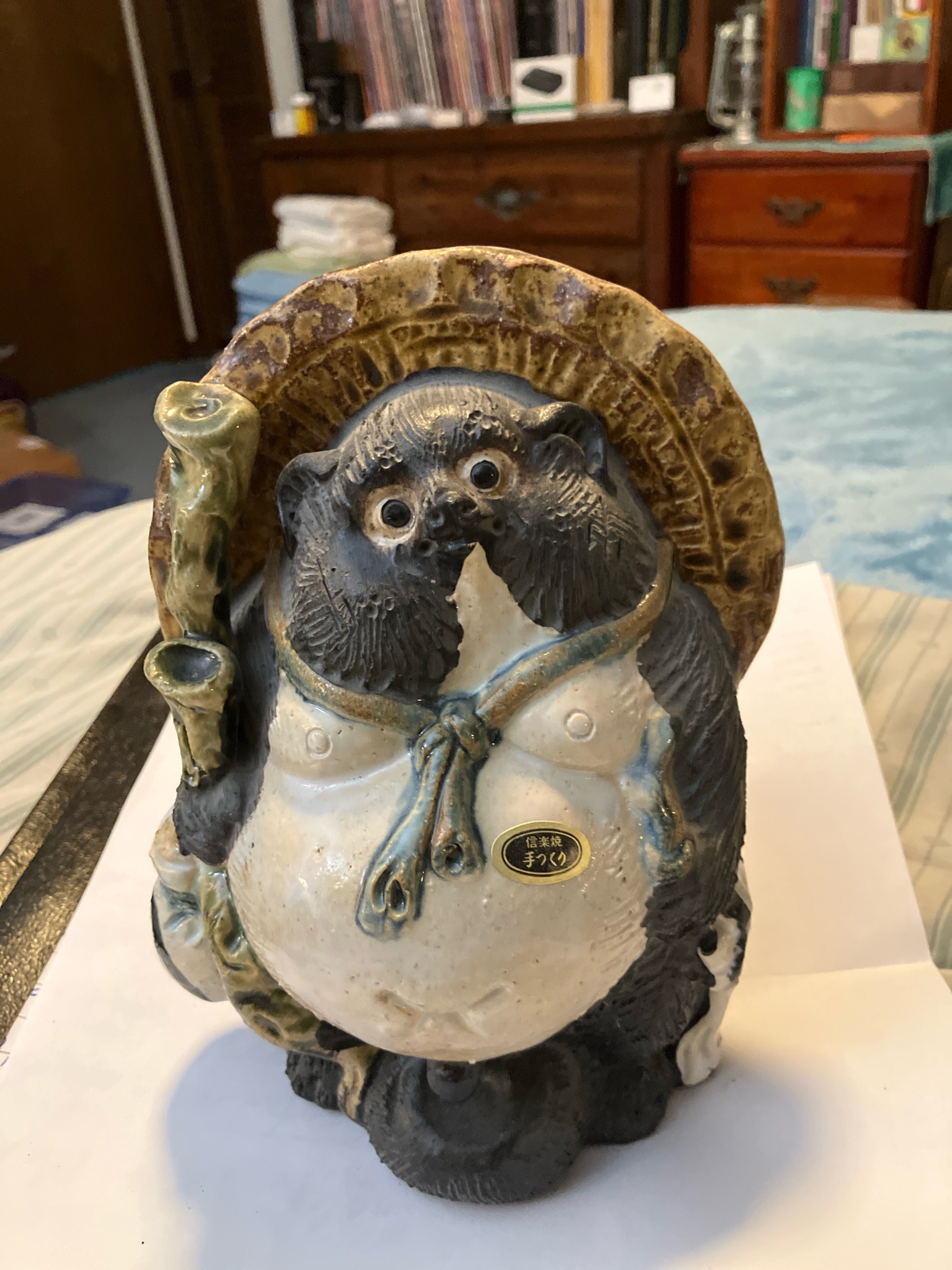
Tanuki

AI analysis below

AI appraisal

AI analysis & estimate

AI-Generated · Verify before acting

Everything below is generated by AI for informational purposes only. AI can make mistakes — the AI may misidentify items or misattribute them (artist, maker, brand, designer, origin, era). This is not an official valuation and should not be used for insurance, sale, tax, estate, legal, or lending purposes — or any decision requiring a certified appraisal. It is not an authoritative claim about any person, brand, or rights holder — do not share or rely on it as a factual statement about a third party. Always consult qualified professionals before making financial decisions.

Note

This analysis also relies on unverified notes provided by the user, which may be incomplete or inaccurate and could affect the result.

Read the full disclaimer

AI Identification

·Not independently authenticated·Verify before acting

Shigaraki Ware Tanuki (Japanese Raccoon Dog) Statue

Japanese Ceramics and Folklore Collectibles

AI Estimated Value

·Not an official valuation·Verify before acting

$150-$250

As of June 8, 2026

AI Item Analysis

·AI can make mistakes·Verify before acting
This is a Japanese ceramic statue depicting a Tanuki (raccoon dog), a symbol of good luck and prosperity. The item is identified as Shigaraki ware (Shigaraki-yaki), one of Japan's 'Six Ancient Kilns,' evidenced by the gold oval sticker which likely denotes its authentic origin and handmade status. The statue features the traditional 'Eight Virtues' design elements: a large straw hat for protection, big eyes to perceive the surroundings, a promissory note for trust, a large belly representing bold decisiveness, and a bottle of sake in one hand. It is constructed from heavy stoneware with a multi-tonal glaze application, including earthy browns on the hat, a textured matte black for the fur, and a glossy off-white for the belly. A subtle blue-green glaze accentuates the tie around the neck. The craftsmanship is evident in the deeply incised lines representing fur texture and the expressive facial features. The condition appears excellent with no visible cracks or significant chips, suggesting it is a late 20th-century or contemporary piece intended for indoor display or as a porch guardian.
AI Appraisal Report

·AI can make mistakes·Verify before acting
Based on my examination of this Shigaraki-yaki Tanuki, the piece presents as a contemporary, high-quality example of Shigaraki craftsmanship from the late 20th century. My visual inspection confirms the presence of the 'Hachi-so' (Eight Virtues), including the traditional kasa hat and tokkuri sake bottle. The presence of the gold authenticity sticker is a strong indicator of its origin from the Shigaraki region, known for the high iron content in its clay which provides the characteristic warm, earthy aesthetic seen here. The condition appears to be 'Fine' to 'Near-Mint,' with the glaze integrity well-preserved and no visible crazing or structural defects common in outdoor-exposed stoneware. The market for Shigaraki Tanuki is stable, driven largely by their popularity as 'engimono' (good luck charms). While vintage Edo or Meiji period pieces can fetch several thousand dollars, modern commercial specimens of this size (approximately mid-sized) typically trade between $100 and $300 depending on the complexity of the glaze and the reputation of the kiln. This specific item benefits from multi-tonal glazing and well-defined texture work, placing it in the upper-mid tier of the decorative market. Limitations: This appraisal is based solely on digital imagery. For definitive authentication, an in-person examination is required to verify the 'koge' (scorch marks) and 'ishihaze' (stone explosions) typical of traditional wood-fired kilns versus modern gas firing. Physical inspection would also involve checking for hidden repairs or identifying specific kiln marks (hanko) on the base that might link the piece to a Master Potter, which could significantly increase the valuation. Documentation of the original purchase from a Japanese prefecture-recognized cooperative would further solidify its provenance.

Get your items appraised

Instant estimates of your treasures with AI-powered appraisals

Browse More Appraisals