AI Appraisal Estimate

AI-generated estimates · not official valuations

From the user

What was submitted

Photo and notes provided by the user — not generated by AI

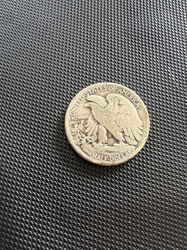
Submitted item photo
Submitted photo · June 13, 2026

User's notes

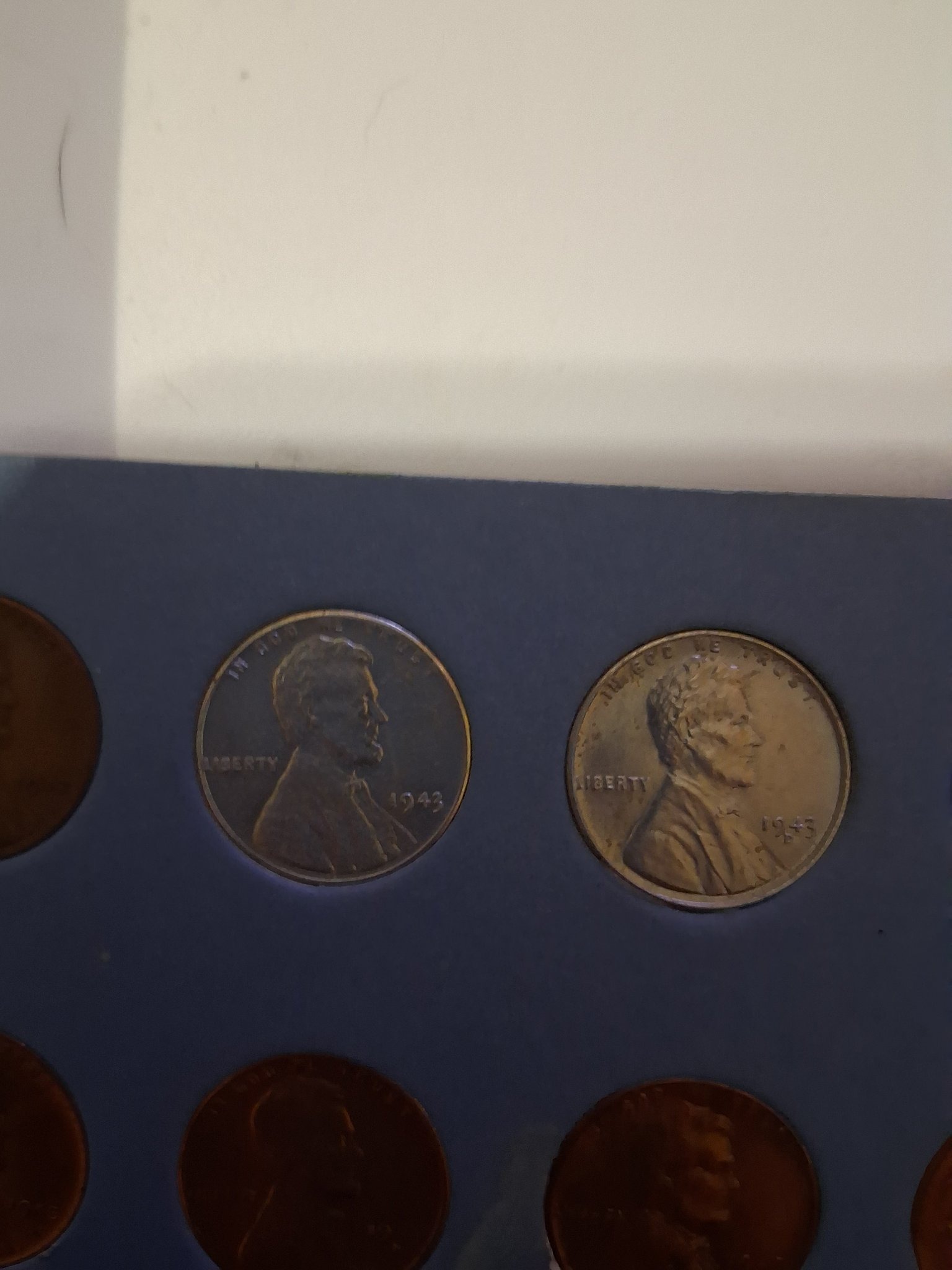
1943 us penny

AI analysis below

AI appraisal

AI analysis & estimate

AI-Generated · Verify before acting

Everything below is generated by AI for informational purposes only. AI can make mistakes — the AI may misidentify items or misattribute them (artist, maker, brand, designer, origin, era). This is not an official valuation and should not be used for insurance, sale, tax, estate, legal, or lending purposes — or any decision requiring a certified appraisal. It is not an authoritative claim about any person, brand, or rights holder — do not share or rely on it as a factual statement about a third party. Always consult qualified professionals before making financial decisions.

Note

This analysis also relies on unverified notes provided by the user, which may be incomplete or inaccurate and could affect the result.

Read the full disclaimer

AI Identification

·Not independently authenticated·Verify before acting

1943 Lincoln Steel Cents

Numismatics / US Coins

AI Estimated Value

·Not an official valuation·Verify before acting

$1.00 - $3.00

As of June 13, 2026

AI Item Analysis

·AI can make mistakes·Verify before acting
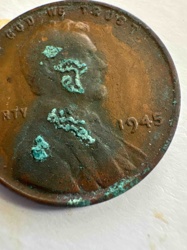
This image features two 1943 Lincoln Wheat Cents, a unique World War II-era mintage. Produced during a period of copper shortages due to the war effort, these coins are composed of zinc-coated steel rather than the traditional bronze alloy, giving them a distinct silvery-grey or dull metallic appearance. Both specimens shown are from the Philadelphia Mint, indicated by the absence of a mint mark below the 1943 date. Characterized by the classic Victor David Brenner profile of Abraham Lincoln on the obverse, these coins measure 19.05 mm in diameter. The specimen on the left displays a darker, more uniform oxidation or 'zinc rot' patina often seen on steel pennies exposed to moisture over decades. The specimen on the right appears slightly brighter but shows significant surface wear, particularly on the higher points of Lincoln's hair and cheekbone, along with visible dark spotting and rim dings. Both coins exhibit circulated condition with softened details in the lettering of 'LIBERTY' and 'IN GOD WE TRUST,' indicating they were in general commerce for some time before being placed into the blue numismatic display folder. Due to their magnetic properties and susceptibility to corrosion, surviving examples in high grades are prized; however, these specific examples show common mid-grade wear and surface degradation consistent with mid-20th-century circulation.
AI Appraisal Report

·AI can make mistakes·Verify before acting
I have carefully examined the two 1943 Lincoln Steel Cents via the provided documentation. These coins represent a fascinating era of numismatic history—the 'War Penny'—produced when copper was diverted to the war effort for shell casings. Based on visual inspection, both specimens appear to be authentic Philadelphia Mint issues, characterized by the absence of a mint mark and the distinct dull metallic luster of zinc-coated steel. The condition of these coins is consistent with circulated, mid-grade 'About Good' to 'Fine' condition. The specimen on the left shows significant oxidation and zinc rot, which is common as the thin zinc layer deteriorates over time. The specimen on the right exhibits clearer high-point details but suffers from surface spotting and rim dings. Because over 683 million of these were minted at Philadelphia alone, they are not considered rare in circulated condition. High-end, uncirculated examples (MS66 and above) command significant premiums, but common circulated coins typically retail for $0.50 to $1.50 each. Market demand for steel cents remains steady among entry-level collectors, though value is hindered by the visible corrosion. While I cannot conduct a magnetic test or weight check from this image, the visual patina is consistent with genuine steel composition rather than the ultra-rare 1943 copper error. A full physical examination would be required to verify the exact metallic composition and weight (2.70 grams), as well as to rule out 'reprocessed' (re-plated) surfaces. For items of this low market value, professional grading (e.g., PCGS or NGC) is generally not cost-effective.

Get your items appraised

Instant estimates of your treasures with AI-powered appraisals

Browse More Appraisals