AI Appraisal Estimate

AI-generated estimates · not official valuations

From the user

What was submitted

Photo and notes provided by the user — not generated by AI

Submitted item photo
Submitted photo · June 3, 2026

User's notes

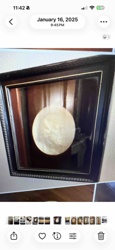
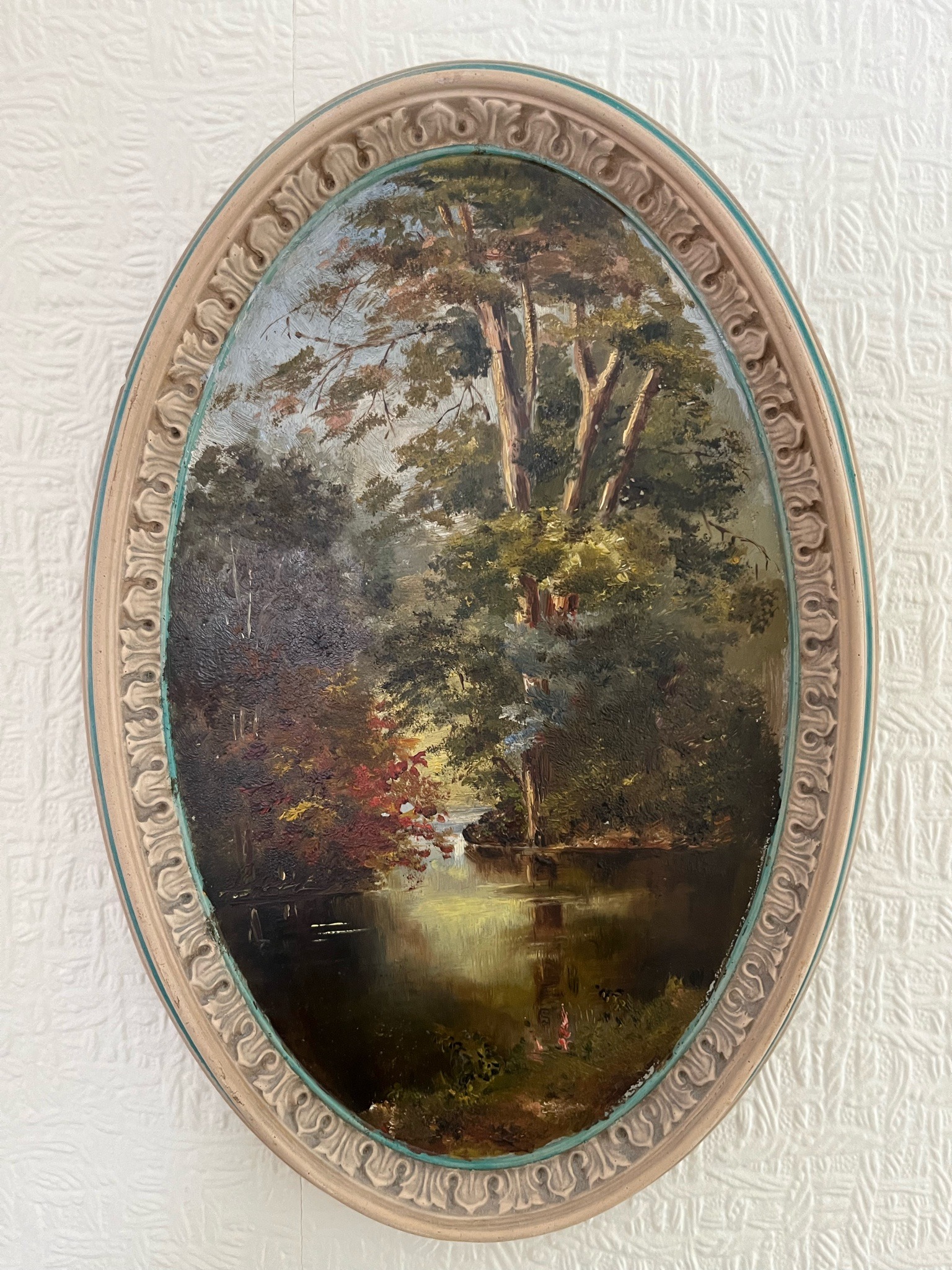
Antique painting on clay?

AI analysis below

AI appraisal

AI analysis & estimate

AI-Generated · Verify before acting

Everything below is generated by AI for informational purposes only. AI can make mistakes — the AI may misidentify items or misattribute them (artist, maker, brand, designer, origin, era). This is not an official valuation and should not be used for insurance, sale, tax, estate, legal, or lending purposes — or any decision requiring a certified appraisal. It is not an authoritative claim about any person, brand, or rights holder — do not share or rely on it as a factual statement about a third party. Always consult qualified professionals before making financial decisions.

Note

This analysis also relies on unverified notes provided by the user, which may be incomplete or inaccurate and could affect the result.

Read the full disclaimer

AI Identification

·Not independently authenticated·Verify before acting

Oval Oil-on-Ceramic Plaques Landscape Painting

Antique Fine Art / Ceramic Art

AI Estimated Value

·Not an official valuation·Verify before acting

$450 - $650

As of June 3, 2026

AI Item Analysis

·AI can make mistakes·Verify before acting
An oval-shaped landscape painting executed in oil on a convex ceramic or porcelain plaque, likely dating from the mid-to-late 19th century (Victorian era). The composition features a lush, sylvan scene with tall, deciduous trees overhanging a dark, reflective body of water. The painting exhibits a Barbizon-style influence, focusing on naturalistic light, tonal shifts, and a sense of atmosphere. Notable for its rich impasto in the foliage—particularly the red and gold autumnal leaves on the left—the piece shows confident brushwork and a skilled use of highlights to depict sunlight filtering through the canopy. The color palette is dominated by earthy greens, umbers, and ochres, contrasted by deep shadows in the water. The plaque is housed in an integral or fixed plaster-over-wood frame with a repetitive scrolled or 'shell and foliate' border. The frame is finished in a light cream or taupe wash, accented by a teal-colored inner linear highlight. Condition-wise, the painting appears well-preserved with some minor surface dust and localized craquelure consistent with age. There is some visible chipping or paint loss on the teal inner rim of the frame, revealing the underlying material. No artist signature is immediately visible on the face, which is common for smaller cabinet-style porcelain paintings from this period. The quality of the water reflections and the varied texture of the bark indicate a trained hand, likely produced as a high-quality decorative object for a domestic interior.
AI Appraisal Report

·AI can make mistakes·Verify before acting
I have conducted a visual appraisal of this Victorian-era landscape painting on a convex ceramic plaque. The piece is a quintessential example of mid-to-late 19th-century decorative cabinet art, reflecting the Barbizon School's focus on atmosphere and light. My examination reveals a high level of technical competency in the impasto technique used for the autumnal foliage and the sophisticated use of glazes to create depth in the water. The condition of the painting itself appears excellent; however, the integral plaster-over-wood frame shows typical localized chipping and loss of the teal pigment on the inner rim, which is expected for its age. The market for mid-tier European and American landscape miniatures remains stable, with high demand for pieces showing this level of textural detail and 'cabinet' portability. Similar unnamed works on porcelain or clay typically realize between $400 and $700 at regional auctions. The lack of a signature is common but does prevent an 'artist-specific' premium. Significant value is retained in the original, unrestored frame. Please note: This appraisal is based solely on digital images. A physical inspection is required to confirm the manufacturer of the ceramic blank (such as KPM or Doulton) via potential backstamps currently hidden by the frame. Scientific testing of the pigment and a UV light (Wood's lamp) examination would be necessary to rule out overpainting or later restorations. Provenance documentation, such as a bill of sale or family records, would further solidify its historical context and potential value ceiling.

Get your items appraised

Instant estimates of your treasures with AI-powered appraisals

Browse More Appraisals