AI Appraisal Estimate

AI-generated estimates · not official valuations

From the user

What was submitted

Photo and notes provided by the user — not generated by AI

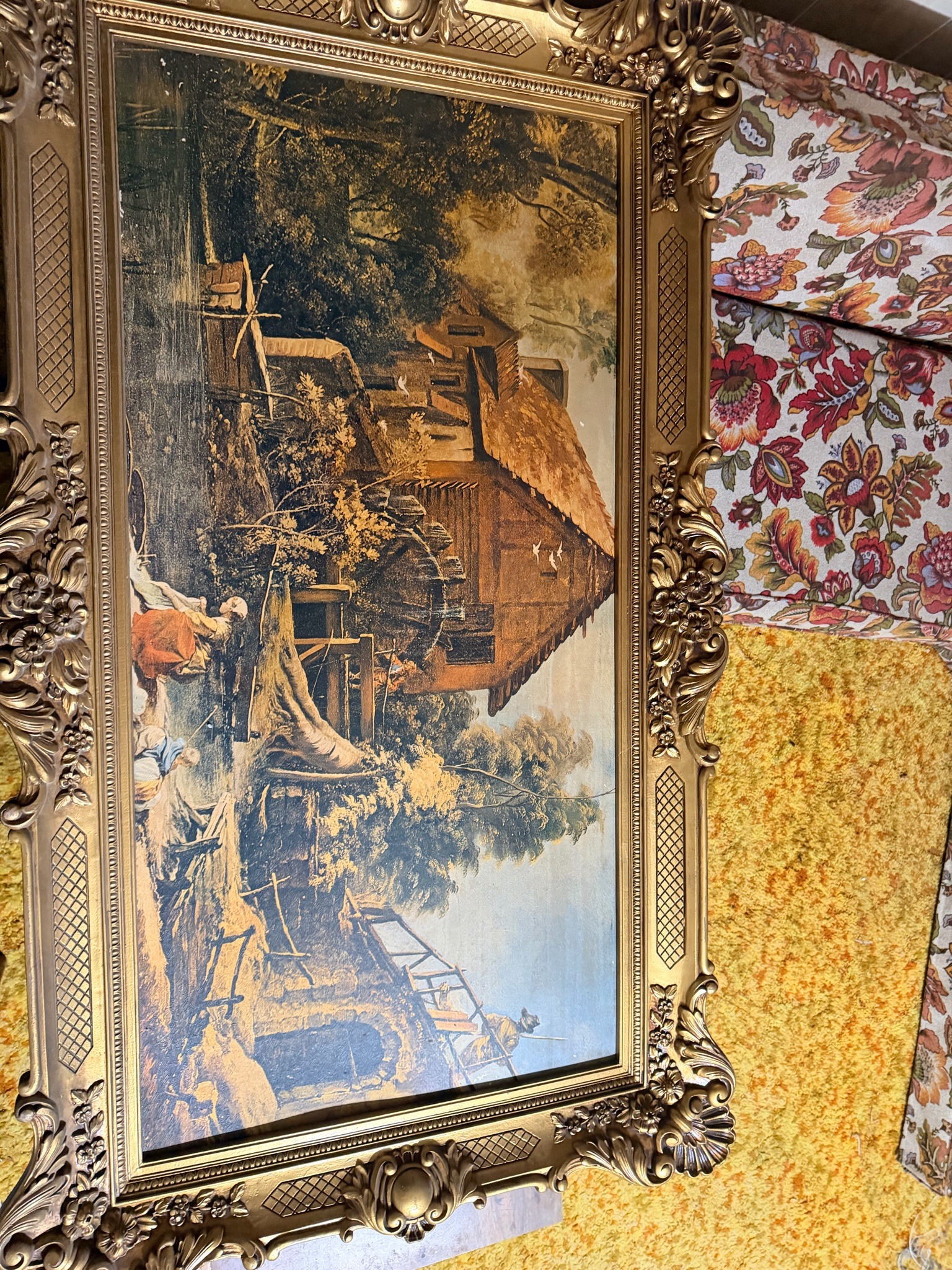
Submitted item photo
Submitted photo · July 15, 2026

User's notes

No additional notes provided.

AI analysis below

AI appraisal

AI analysis & estimate

AI-Generated · Verify before acting

Everything below is generated by AI for informational purposes only. AI can make mistakes — the AI may misidentify items or misattribute them (artist, maker, brand, designer, origin, era). This is not an official valuation and should not be used for insurance, sale, tax, estate, legal, or lending purposes — or any decision requiring a certified appraisal. It is not an authoritative claim about any person, brand, or rights holder — do not share or rely on it as a factual statement about a third party. Always consult qualified professionals before making financial decisions.

Read the full disclaimer

AI Identification

·Not independently authenticated·Verify before acting

Pastoral landscape painting in the Baroque style with ornate gilded frame

Fine Art

AI Estimated Value

·Not an official valuation·Verify before acting

$1,500 - $3,500

As of July 15, 2026

AI Item Analysis

·AI can make mistakes·Verify before acting
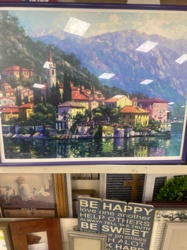
This rectangular landscape painting depicts a pastoral scene featuring a timber-framed building with a waterwheel and figures by a riverbank. The artwork is presented in a large, highly decorative gilded frame with Rococo-style flourishes, including scrolls, acanthus leaves, and diaper-patterned (cross-hatched) inserts along the rails. The painting's composition, light, and subject matter—a rustic watermill with figures engaged in rural labor—are stylistically consistent with 17th-century Dutch Golden Age or 18th-century French pastoral works, specifically in the manner of artists such as Meindert Hobbema or Francois Boucher. The work utilizes a palette of earthy ochres, browns, and muted greens, contrasted by the pale blue of the sky and the colorful clothing of the figures. No signature or maker's mark is visible in the provided image; consequently, the identity of the artist and the specific medium (e.g., oil on canvas, lithographic print, or transfer) cannot be determined without physical inspection. The frame shows some potential darkening and dust accumulation in the crevices, consistent with a vintage or mid-20th-century decorative piece intended to emulate an antique aesthetic. The identification remains a stylistic hypothesis based on visual characteristics rather than verified provenance.

AI Appraisal Report

·AI can make mistakes·Verify before acting
Based on my visual analysis of the provided image, this painting appears to be a pastoral landscape executed in a style reminiscent of the 17th-century Dutch Golden Age or the 18th-century French Rococo tradition. The composition, featuring a watermill and figures in rural labor, bears characteristics consistent with the manner of artists such as Meindert Hobbema. However, I cannot verify the specific medium or whether it is an oil on canvas or a high-quality reproduction without a physical inspection. The ornate gilded frame appears to be a mid-20th-century decorative piece designed to emulate an antique aesthetic. My appraisal value of $1,500 to $3,500 assumes the work is a hand-painted piece from the 19th or early 20th century in the style of the old masters. This estimate is a hypothesis; should the work be identified as a period-correct 17th or 18th-century piece with documented provenance, the value could increase significantly. Conversely, if physical examination reveals it to be a modern mechanical reproduction or lithograph on canvas, the decorative value would likely fall below $300. To reach a more stable valuation, an in-person examination is required to assess brushwork, canvas weave, and age-related oxidation of the pigments. General market demand for grand-scale pastoral scenes remains steady for traditional interior design, though value is heavily dictated by the quality of execution and the age of the materials rather than just the visual theme. A professional conservator or a specialist in European Old Masters would need to review the piece to search for obscured signatures or labels on the reverse of the stretcher to better estimate its origins.

Related Tags

Explore similar items and categories

Get your items appraised

Instant estimates of your treasures with AI-powered appraisals

Browse More Appraisals