AI Appraisal Estimate

AI-generated estimates · not official valuations

From the user

What was submitted

Photo and notes provided by the user — not generated by AI

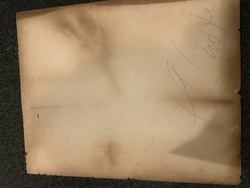
Submitted item photo
Submitted photo · June 17, 2026

User's notes

No additional notes provided.

AI analysis below

AI appraisal

AI analysis & estimate

AI-Generated · Verify before acting

Everything below is generated by AI for informational purposes only. AI can make mistakes — the AI may misidentify items or misattribute them (artist, maker, brand, designer, origin, era). This is not an official valuation and should not be used for insurance, sale, tax, estate, legal, or lending purposes — or any decision requiring a certified appraisal. It is not an authoritative claim about any person, brand, or rights holder — do not share or rely on it as a factual statement about a third party. Always consult qualified professionals before making financial decisions.

Read the full disclaimer

AI Identification

·Not independently authenticated·Verify before acting

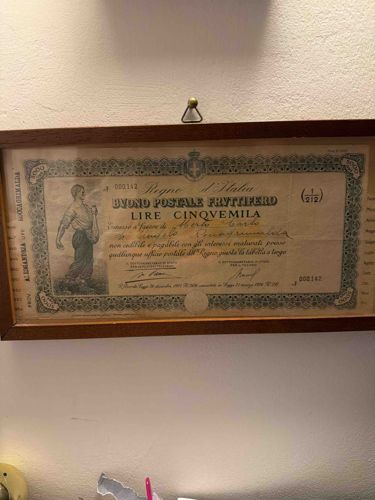
Italian Kingdom Interest-Bearing Postal Bond (Buono Postale Fruttifero)

Historical Ephemera / Scripophily (Financial Documents)

AI Estimated Value

·Not an official valuation·Verify before acting

$85.00 - $125.00

As of June 17, 2026

AI Item Analysis

·AI can make mistakes·Verify before acting
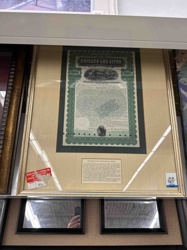
This is a framed historical Italian financial instrument known as a 'Buono Postale Fruttifero' (Interest-Bearing Postal Bond) issued by the 'Regno d'Italia' (Kingdom of Italy). The bond has a face value of 'Lire Cinquemila' (5,000 Lire). It features an ornate, classical design characteristic of government security documents from the early to mid-20th century. On the left side, there is a large illustrative vignette of a male figure, likely a farmer or laborer, carrying a sack, symbolizing the agrarian strength of Italy. The central text is printed in various formal fonts, stating it is non-transferable and payable with accrued interest at any post office in the Kingdom. It includes the serial number '002142' and various handwritten signatures and stamps confirming its issuance. The bond is bordered by an intricate geometric pattern with the numeral '5000' in the corners. The paper shows significant signs of age, including yellowing/toning, a prominent horizontal crease from being folded in the past, and several darker brown spots or foxing consistent with iron-based inks or moisture exposure. It appears to be from the 1920s or 1930s based on the 'Regno d'Italia' header and the Savoy coat of arms at the top center. The document is housed in a simple rectangular wood frame with a clear glazing and a brass-colored hanging loop at the top.
AI Appraisal Report

·AI can make mistakes·Verify before acting
I have examined the provided image of the Italian Kingdom 'Buono Postale Fruttifero' with a face value of 5,000 Lire. Visually, the document appears consistent with the printing techniques and paper stock of the 1920s-1930s. The intricate guilloché borders and the Savoy coat of arms are characteristic of the 'Regno d'Italia' period. However, the condition is fair to good; prominent horizontal creasing, significant foxing (oxidation spots), and general toning from light exposure suggest the item was not kept in an acid-free environment. The market for scripophily (collectible bonds and shares) and postal ephemera currently sees a steady supply of these Italian bonds. While the 5,000 Lire denomination was substantial at the time of issue, these documents were printed in large quantities. Their value today is primarily decorative and historical rather than representing the original face value plus interest, as most regimes this old have since demonetized these specific series. Comparables for framed Italian postal bonds of this era typically range from $60 to $150 depending on the attractiveness of the vignette. The presence of the original wood frame adds decorative appeal but complicates long-term preservation if the mounting materials are acidic. Authenticity cannot be definitively verified via image alone. A physical inspection is required to verify the 'filigrana' (watermark), the texture of the relief printing, and to ensure the 'brown spots' are indeed foxing and not a mold bloom. For a full authentication, I would need to remove it from the frame to inspect the reverse side for required revenue stamps or endorsements and check for paper fluorescence under UV light. Provenance documentation regarding its original purchase would further solidify its history.

Get your items appraised

Instant estimates of your treasures with AI-powered appraisals

Browse More Appraisals