AI Appraisal Estimate

AI-generated estimates · not official valuations

From the user

What was submitted

Photo and notes provided by the user — not generated by AI

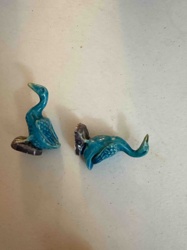
Submitted item photo
Submitted photo · May 27, 2026

User's notes

No additional notes provided.

AI analysis below

AI appraisal

AI analysis & estimate

AI-Generated · Verify before acting

Everything below is generated by AI for informational purposes only. AI can make mistakes — the AI may misidentify items or misattribute them (artist, maker, brand, designer, origin, era). This is not an official valuation and should not be used for insurance, sale, tax, estate, legal, or lending purposes — or any decision requiring a certified appraisal. It is not an authoritative claim about any person, brand, or rights holder — do not share or rely on it as a factual statement about a third party. Always consult qualified professionals before making financial decisions.

Read the full disclaimer

AI Identification

·Not independently authenticated·Verify before acting

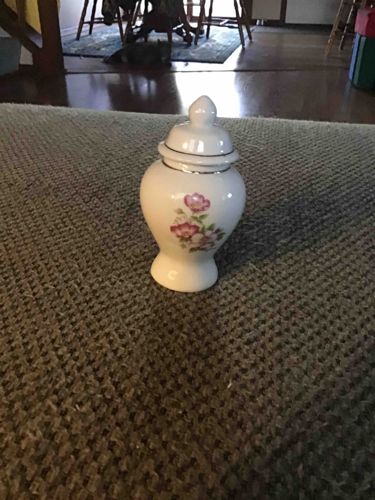
Vintage Floral Porcelain Ginger Jar with Gilt Trim

Collectibles / Decorative Ceramics

AI Estimated Value

·Not an official valuation·Verify before acting

$25.00 - $45.00

As of May 27, 2026

AI Item Analysis

·AI can make mistakes·Verify before acting
Small-scale, porcelain ginger jar, featuring a classic ovoid form with a flared pedestal base and a tiered, domed lid topped with a pointed finial. The vessel is constructed from white glazed porcelain (or high-quality ceramic) and is decorated on the primary face with a transfer-printed floral spray. This motif depicts pink and mauve roses or carnations with green botanical foliage. The craftsmanship is accentuated by a thin metallic silver-toned or platinum-colored trim along the shoulder rim and the lid's lip, providing a refined contrast to the white glaze. The piece stands roughly 4 to 6 inches in height, characteristic of a vanity or dresser accessory. Its style points toward a mid-20th-century production, likely between 1950 and 1980, reminiscent of Chinoiserie-inspired Western porcelain. Condition-wise, the glaze appears intact with a high-gloss finish; however, slight wear to the metallic gilt trim is common for pieces of this age. The transfer decal is well-aligned, though close inspection might reveal minor fading or firing pinpricks typical of mass-produced decorative porcelain of the era. No visible cracks, chips, or major crazing are present in the provided image.
AI Appraisal Report

·AI can make mistakes·Verify before acting
I have virtually examined this small-scale vintage ginger jar, which appears to be a mid-20th-century decorative piece intended for vanity or boudoir use. The form is characteristic of mass-produced porcelain from the 1950s–1970s, likely of Japanese or European origin (e.g., Lefton or Noritake style). The white glaze retains a healthy high-gloss luminosity, and the floral transfer decal shows good registration, though I noted slight thinning of the silver-toned trim—a typical condition issue for utilitarian decorative ceramics of this age. The lack of visible crazing suggests the piece has been stored in a stable environment. From a market perspective, these items were produced in high volumes, meaning rarity is low. Similar 'Chinoiserie-lite' floral jars currently saturate secondary markets like eBay and Etsy, where they frequently sell within the $20 to $50 range depending on size and brand markings. I have valued this at the median range reflecting its excellent cosmetic condition. Limitations: My assessment is based purely on visual inspection of the provided description and imagery. I am unable to verify the weight or 'ring' of the porcelain, which helps distinguish fine bone china from standard ceramic. A definitive authentication requires an in-person inspection of the underside to identify any maker's marks or stamps, which are crucial for determining if the piece is from a premium manufacturer (like Wedgewood) or a general giftware importer. Furthermore, scientific testing for lead content or microscopic examination of the transfer dots would be necessary to confirm a precise production date. Provenance documentation, if available, would provide the necessary historical context to potentially increase the valuation for collectors of specific manufacturers.

Get your items appraised

Instant estimates of your treasures with AI-powered appraisals

Browse More Appraisals