AI Appraisal Estimate

AI-generated estimates · not official valuations

From the user

What was submitted

Photo and notes provided by the user — not generated by AI

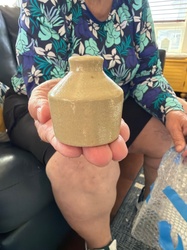
Submitted item photo
Submitted photo · June 28, 2026

User's notes

No additional notes provided.

AI analysis below

AI appraisal

AI analysis & estimate

AI-Generated · Verify before acting

Everything below is generated by AI for informational purposes only. AI can make mistakes — the AI may misidentify items or misattribute them (artist, maker, brand, designer, origin, era). This is not an official valuation and should not be used for insurance, sale, tax, estate, legal, or lending purposes — or any decision requiring a certified appraisal. It is not an authoritative claim about any person, brand, or rights holder — do not share or rely on it as a factual statement about a third party. Always consult qualified professionals before making financial decisions.

Read the full disclaimer

AI Identification

·Not independently authenticated·Verify before acting

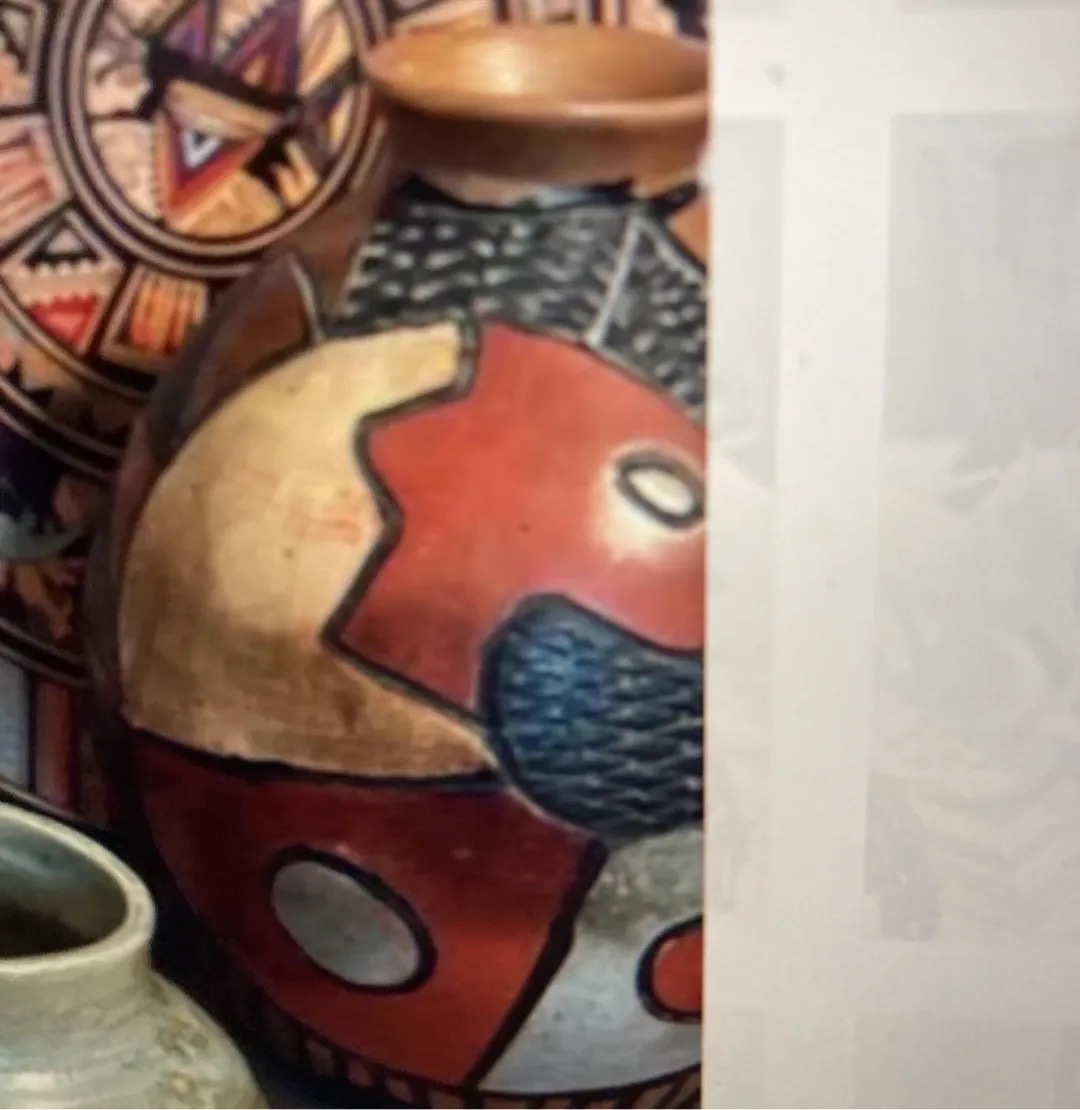
Polychrome earthenware vessel in the Puebloan style

Pottery and Ceramics

AI Estimated Value

·Not an official valuation·Verify before acting

$400 - $800

As of June 28, 2026

AI Item Analysis

·AI can make mistakes·Verify before acting
This item is a hand-formed earthenware vessel appearing stylistically consistent with Southwest Native American Puebloan pottery, notably the Acoma or Hopi traditions. The vessel features a globular body with a flared rim and exhibits a polychrome decorative scheme utilizing red, cream, and black slips. The surface is adorned with complex geometric motifs, including jagged 'lightning' or stepped patterns and fine-line hatching that creates a textured, scale-like appearance in black. The design is compartmentalized by bold black outlines. Based on the visual evidence, the construction likely involves a traditional coil-and-scrape method, though the base and interior are not visible for verification. No maker's marks or signatures are discernable in the provided image; therefore, any specific artist attribution would require physical inspection. There are visible signs of aging including surface abrasions and slight pigment loss particularly near the upper shoulder, which is consistent with a 20th-century vintage production. The craftsmanship shows high technical skill in paint application and symmetry, typical of decorative art pottery.
AI Appraisal Report

·AI can make mistakes·Verify before acting
Based on my visual analysis of the provided image, this hand-formed earthenware vessel appears to be a high-quality example of polychrome pottery consistent with Southwest Native American Puebloan traditions, specifically those of the Acoma or Hopi-Tewa. The fine-line hatching and geometric motifs suggest a late 20th-century decorative production. I can observe some surface abrasions and pigment loss, which are typical for vintage pottery of this age. However, I cannot verify the construction techniques, such as the coil-and-scrape method or the presence of a signature, without a physical inspection of the base and interior. The absence of a visible maker's mark in the photograph means any attribution to a specific artist must remain a hypothesis. The estimated value of $400 - $800 reflects the market for an unsigned but technically proficient work of this style and period. If the piece were found to bear a signature consistent with a known master potter upon physical inspection, the value could increase significantly. Conversely, if it were determined to be a modern mass-produced slip-cast replica rather than hand-coiled, the value would likely fall below $100. To confirm the piece's origin and more accurately determine its value, an in-person examination by a specialist in Puebloan ceramics is necessary to evaluate the paste, temper, and slip application. Market demand for well-executed Southwest pottery remains stable among collectors of Indigenous arts, though prices rely heavily on the distinction between decorative 'curio' items and works of known provenance or artistic lineage. Documentation of ownership history would also be required to support a higher valuation.

Get your items appraised

Instant estimates of your treasures with AI-powered appraisals

Browse More Appraisals