AI Appraisal Estimate

AI-generated estimates · not official valuations

From the user

What was submitted

Photo and notes provided by the user — not generated by AI

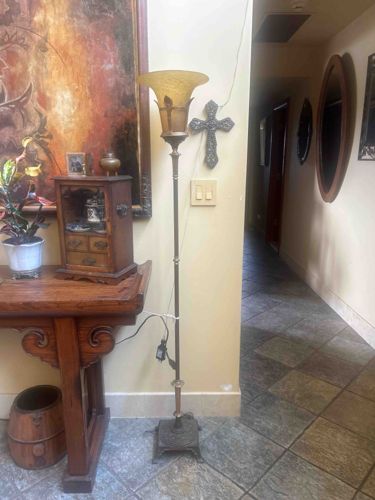
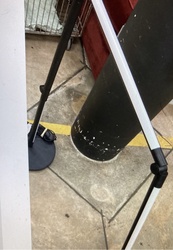
Submitted item photo
Submitted photo · June 15, 2026

User's notes

Copper lamp antique

AI analysis below

AI appraisal

AI analysis & estimate

AI-Generated · Verify before acting

Everything below is generated by AI for informational purposes only. AI can make mistakes — the AI may misidentify items or misattribute them (artist, maker, brand, designer, origin, era). This is not an official valuation and should not be used for insurance, sale, tax, estate, legal, or lending purposes — or any decision requiring a certified appraisal. It is not an authoritative claim about any person, brand, or rights holder — do not share or rely on it as a factual statement about a third party. Always consult qualified professionals before making financial decisions.

Note

This analysis also relies on unverified notes provided by the user, which may be incomplete or inaccurate and could affect the result.

Read the full disclaimer

AI Identification

·Not independently authenticated·Verify before acting

Edwardian Style Copper and Metal Torchiere Floor Lamp

Antique Lighting & Floor Lamps

AI Estimated Value

·Not an official valuation·Verify before acting

$450 - $700

As of June 15, 2026

AI Item Analysis

·AI can make mistakes·Verify before acting
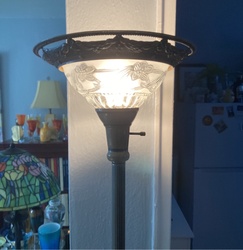
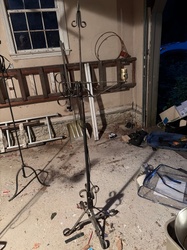
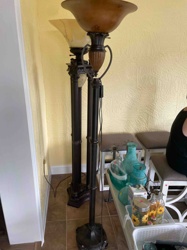
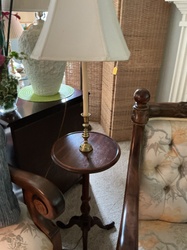
This antique-style torchiere floor lamp stands approximately 65-70 inches tall and reflects an Edwardian or Art Nouveau influenced aesthetic. The fixture is constructed with a slender, multi-segmented metal pole featuring decorative knops and transitions into a wider copper-toned base. The base itself is a weighted four-footed square pedestal, intricately cast with scrolling flourishes. At the apex, the lamp features a trumpet-shaped glass shade with an amber or honey-toned mottled finish, secured by a metal cage with stylized acanthus leaf motifs. The metal components exhibit a heavy aged patina, consistent with copper or brass-finished white metal, showing some surface oxidation and darkening particularly at the joints. The glass shade appears intact without visible large fissures, though minor flea-bite chips around the rim are common for this age. While no maker's marks are immediately visible in the image, the craftsmanship suggests a mass-produced luxury item from the early-to-mid 20th century. Notable condition issues include an exposed power cord that suggests the wiring may have been altered or needs professional inspection, along with general wear to the metal finish.
AI Appraisal Report

·AI can make mistakes·Verify before acting
Based on my visual examination of this Edwardian-style torchiere, the piece presents as a high-quality revival-era floor lamp, likely produced between 1920 and 1940. The combination of a cast-metal weighted base with scrolling flourishes and the mottled amber glass shade is typical of the luxury mass-market lighting popular in the early 20th century. The heavy patina suggests an original finish of copper or bronze plating over a white metal alloy, which shows authentic signs of oxidation and wear consistent with its age. The market for antique floor lamps remains steady for pieces with intact, period-appropriate glass. The trumpet-shaped shade is a significant driver of value here; should it break, the lamp's value would drop by 60-70%. Similar items at auction consistently reach the $400-$800 range depending on the specific maker (such as Bradley & Hubbard or Miller). The primary detractor in this specimen is the electrical wiring. The exposed cord indicates that the lamp likely requires a professional rewire to meet modern safety standards, which has been factored into the valuation. Please note that this appraisal is based solely on digital images. Without a physical inspection, I cannot verify the presence of hidden maker's marks on the interior base or weight, nor can I definitively confirm the material of the pole (which may be solid copper or plated steel). A full authentication would require an in-person assessment of the casting quality, a check for manufacturer stamps, and a continuity test of the internal hardware. Provenance documentation, such as original purchase receipts or family records, would further solidify its historical context and value.

Get your items appraised

Instant estimates of your treasures with AI-powered appraisals

Browse More Appraisals