AI Appraisal Estimate

AI-generated estimates · not official valuations

From the user

What was submitted

Photo and notes provided by the user — not generated by AI

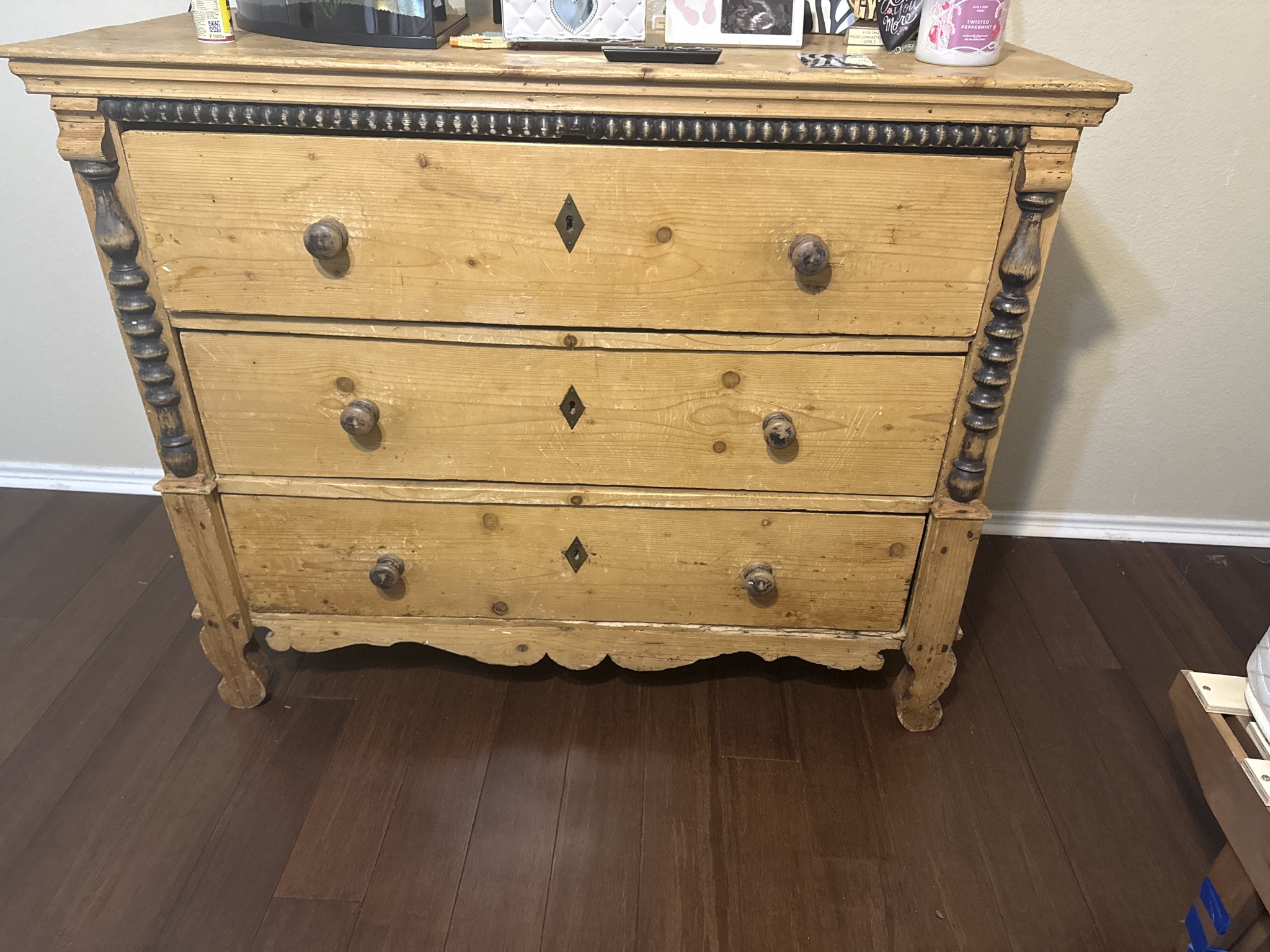
Submitted item photo
Submitted photo · June 22, 2026

User's notes

Austrian antique purchased in Santa Fe in 1993.

AI analysis below

AI appraisal

AI analysis & estimate

AI-Generated · Verify before acting

Everything below is generated by AI for informational purposes only. AI can make mistakes — the AI may misidentify items or misattribute them (artist, maker, brand, designer, origin, era). This is not an official valuation and should not be used for insurance, sale, tax, estate, legal, or lending purposes — or any decision requiring a certified appraisal. It is not an authoritative claim about any person, brand, or rights holder — do not share or rely on it as a factual statement about a third party. Always consult qualified professionals before making financial decisions.

Note

This analysis also relies on unverified notes provided by the user, which may be incomplete or inaccurate and could affect the result.

Read the full disclaimer

AI Identification

·Not independently authenticated·Verify before acting

19th Century Biedermeier-Style Austrian Pine Commode

Antique Furniture

AI Estimated Value

·Not an official valuation·Verify before acting

$1,200 - $1,800

As of June 22, 2026

AI Item Analysis

·AI can make mistakes·Verify before acting
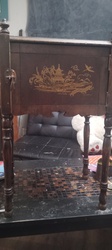
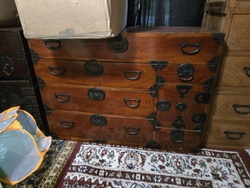
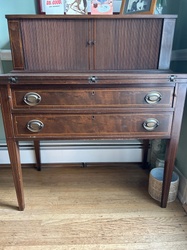
This is an Austrian antique chest of drawers, or commode, likely dating from the mid-to-late 19th century. The piece is constructed from solid pine, showcasing a light honey-toned finish with a natural, visible grain and numerous knots characteristic of European softwoods. It features a three-drawer configuration with a slightly overhanging rectangular top. A notable design element is the decorative dentil-like molding strip just below the top and the turned spool-style pilasters flanking the drawers, both of which retain remnants of a darker, ebonized finish that provides a high-contrast aesthetic typical of Biedermeier influences. Each drawer is fitted with two turned wooden knobs and a central diamond-shaped metal escutcheon for keyholes. The base features a scalloped or wavy apron and stands on bracket feet with a slight curve. Condition-wise, the piece shows significant patina and wear consistent with age, including surface scratches, staining on the top, minor wood splitting, and substantial loss of the original dark finish on the decorative moldings. The craftsmanship reflects a sturdy, provincial aesthetic with hand-shaped elements and traditional joinery. This specific provenance of being purchased in Santa Fe in 1993 suggests it was part of the significant mountain-style and European rustic furniture trade popular in that region during the late 20th century.
AI Appraisal Report

·AI can make mistakes·Verify before acting
Based on my examination of the photographs and descriptive data, this mid-to-late 19th-century Austrian pine commode exemplifies the rustic Biedermeier transition found in provincial Central Europe. The construction features characteristic spool-turned pilasters and a dentil molding that retains traces of original ebonization, providing the high-contrast 'black and light' aesthetic valued by collectors of continental pine. The scalloped apron and bracket feet appear structurally sound, though the piece exhibits significant surface wear, including staining and finish loss on the top. This wear is considered 'honest patina' in the rustic furniture market and generally does not detract from value as much as modern refinishing would. The Santa Fe provenance from 1993 aligns with the height of the 'Santa Fe Style' trend when high-quality European rustic imports were heavily curated for Southwestern interiors. Current market demand for pine remains stable, though softer than the 1990s peak. Comparables for similar three-drawer Austrian chests with ebonized details typically range between $1,200 and $2,200 depending on the region of sale. Limitations: I cannot verify the authenticity of the joinery (dovetails, backboards) or the presence of pest damage from these images. A full authentication would require an in-person inspection of the drawer bottoms and secondary woods to confirm 19th-century tool marks and oxidation consistency. The value assumes the hardware is period-correct and the frame is stable.

Get your items appraised

Instant estimates of your treasures with AI-powered appraisals

Browse More Appraisals