AI identification & appraisal estimate

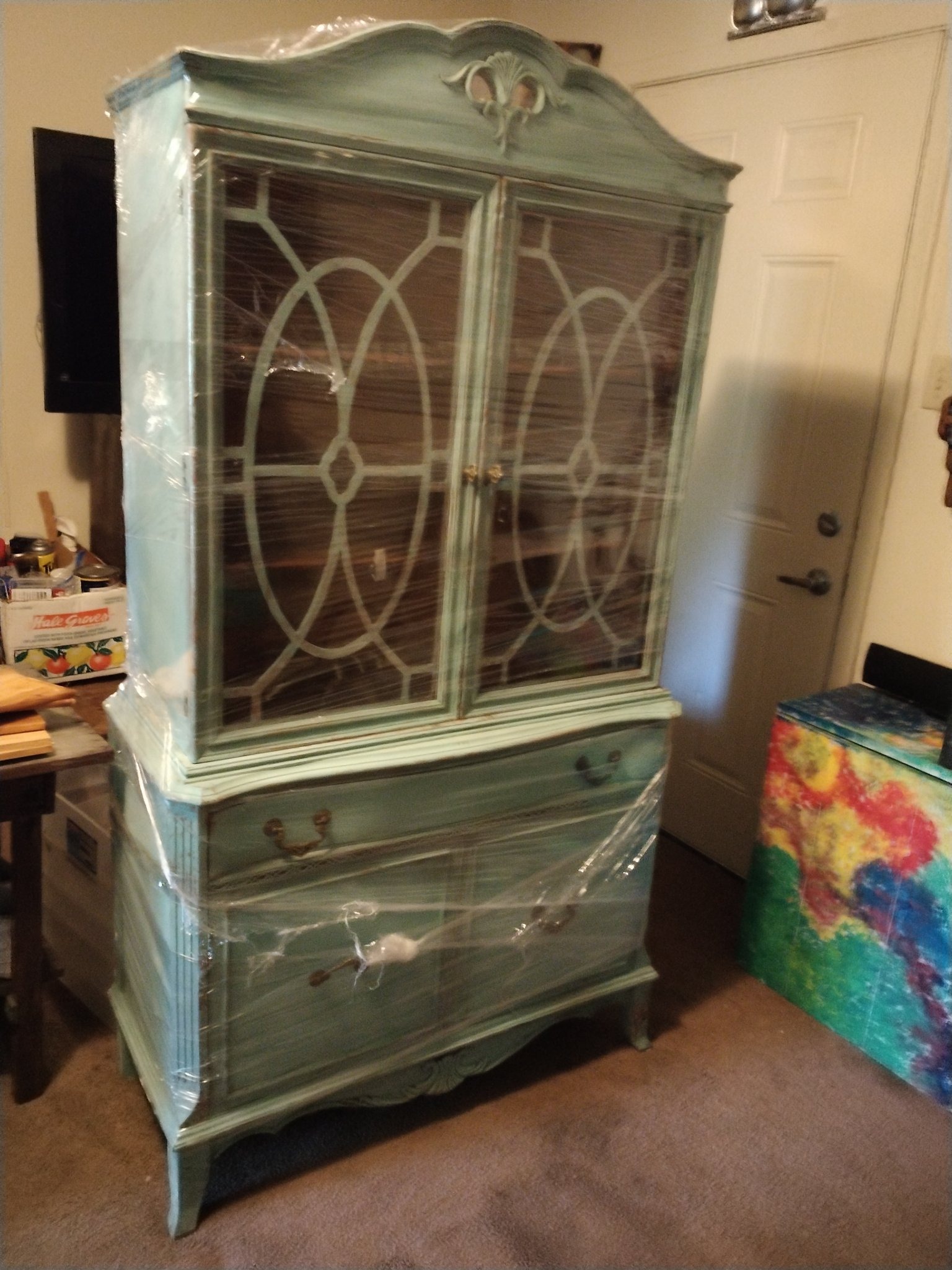
Mid-20th-century style painted breakfront china cabinet

Submitted photo of Mid-20th-century style painted breakfront china cabinet
Photo submitted by the user — not generated by AI

User's notes

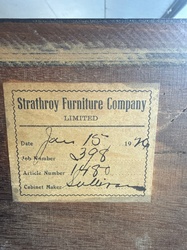
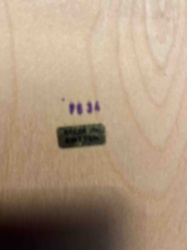
Hallmark/Stamp: 2200 cc ped

These notes were written by the person who submitted this item. Appraiser.AI has not verified them, and the AI's identification and estimate may rely on them.

AI Estimated Value

Not an official valuation

$450 - $850

AI estimate as of May 31, 2026 · verify with a professional before acting

AI-Generated · Verify before acting

Everything on this page is generated by AI for informational purposes only. AI can make mistakes — the AI may misidentify items or misattribute them (artist, maker, brand, designer, origin, era). This is not an official valuation and should not be used for insurance, sale, tax, estate, legal, or lending purposes — or any decision requiring a certified appraisal. It is not an authoritative claim about any person, brand, or rights holder — do not share or rely on it as a factual statement about a third party. Always consult qualified professionals before making financial decisions.

This analysis also relies on unverified notes provided by the user, which may be incomplete or inaccurate and could affect the result.

Read the full disclaimer

AI Item Analysis

This item appears to be a two-piece wooden china cabinet or hutch, stylistically consistent with French Provincial or Neoclassical revival furniture popular in the mid-to-late 20th century. The piece features a light seafoam green or aqua painted finish with visible distressing and darker glaze accents in the recessed areas. The upper section consists of two large glass doors featuring an overlaid wooden fretwork in an elongated oval and geometric trellis pattern. A serpentine or camelback pediment tops the unit, decorated with a carved central shell and acanthus leaf motif. The lower section includes a wide drawer above a two-door cabinet base, supported by short cabriole legs. Hardware consists of brass-toned bail handles with ornate backplates. The owner notes a hallmark or stamp reading '2200 cc ped,' which is not clearly visible in the provided image and remains unverified. This marking might suggest a model or production number rather than a specific known maker's signature. The piece is currently wrapped in protective plastic film, which obscures fine details of the surface texture, but the overall construction appears to be a mix of solid wood and veneers. Conditions such as paint chips or deeper structural wear cannot be fully assessed through the wrapping, though the finish appears intentionally aged.
AI Appraisal Report

Based on the provided imagery, I have examined this two-piece painted hutch which exhibits characteristics of Mid-20th-century French Provincial revival furniture. The seafoam green finish and decorative fretwork suggest a mass-market production intended for suburban interior trends of the 1960s and 70s. Because the piece is wrapped in plastic, I cannot verify the integrity of the joinery, the quality of the wood species used, or whether the distressing is factory-applied or late-model restoration. Per user submission, the item bears the mark '2200 cc ped.' This likely refers to a model number rather than a high-end designer hallmark. My valuation assumes the piece is a standard vintage production in good structural condition. If this were confirmed as a high-end designer piece by a maker like Drexel or Ethan Allen, the value could reach the higher end of the range ($800+); however, if a physical inspection reveals it is a later 20th-century reproduction using composite materials or if the '2200' mark indicates a generic catalog number, the value would likely sit between $200 and $400. The market for painted revival furniture is currently stable but selective, with buyers prioritizing surface condition and scale. To confirm these findings and provide a more precise valuation, an in-person examination would be necessary to inspect the drawer construction (such as dovetailing), verify the hallmark's origin, and assess the finish beneath the plastic film. Documentation of provenance or a confirmed manufacturer catalog entry would also be required to substantiate any specific brand attribution.

Keep exploring

More furniture appraisals

Get your items appraised

Instant AI-powered appraisal estimates from a photo

Browse More Appraisals