AI Appraisal Estimate

AI-generated estimates · not official valuations

From the user

What was submitted

Photo and notes provided by the user — not generated by AI

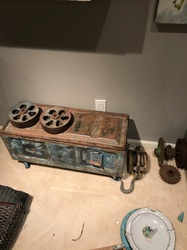
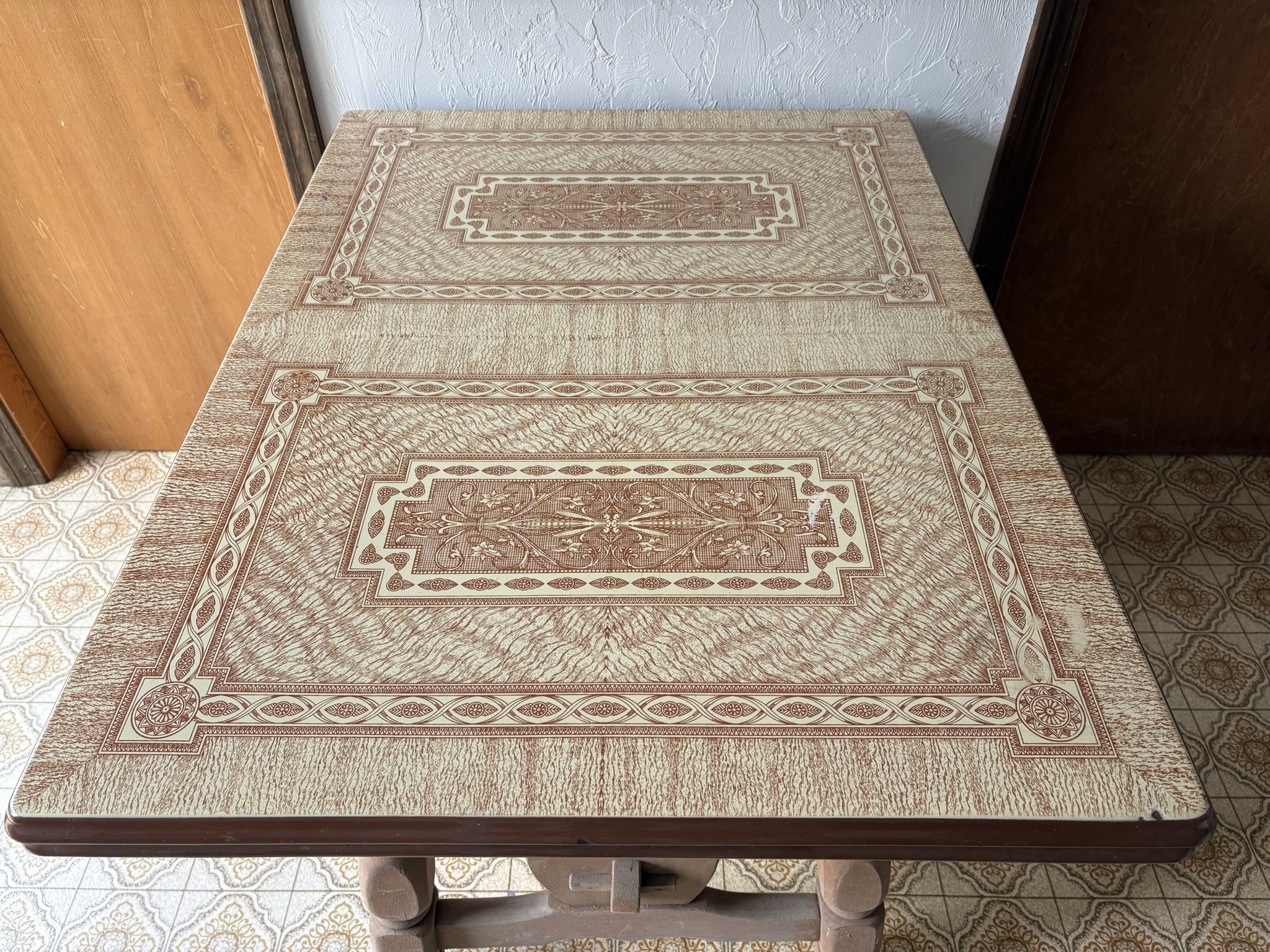
Submitted item photo
Submitted photo · June 27, 2026

User's notes

Vintage table, extenders, 1940s-50s

AI analysis below

AI appraisal

AI analysis & estimate

AI-Generated · Verify before acting

Everything below is generated by AI for informational purposes only. AI can make mistakes — the AI may misidentify items or misattribute them (artist, maker, brand, designer, origin, era). This is not an official valuation and should not be used for insurance, sale, tax, estate, legal, or lending purposes — or any decision requiring a certified appraisal. It is not an authoritative claim about any person, brand, or rights holder — do not share or rely on it as a factual statement about a third party. Always consult qualified professionals before making financial decisions.

Note

This analysis also relies on unverified notes provided by the user, which may be incomplete or inaccurate and could affect the result.

Read the full disclaimer

AI Identification

·Not independently authenticated·Verify before acting

Mid-Century Formica Trestle Dining Table with Leaf Extenders

Furniture

AI Estimated Value

·Not an official valuation·Verify before acting

$250 - $450

As of June 27, 2026

AI Item Analysis

·AI can make mistakes·Verify before acting
This is a rectangular dining table dating from the 1940s to early 1950s, featuring a distinctive patterned laminate top, likely Formica, bonded to a substrate with a thick protective edge banding. The tabletop showcases a complex, two-tone wood-grain effect in tan and brown, organized into two large symmetrical rectangular panels. Each panel contains an ornate, neo-classical border and a central medallions with filigree and floral motifs. The table is supported by a robust wooden trestle base with turned legs and a horizontal brace, suggesting a blend of traditional furniture styles with modern mid-century materials. The table is equipped with leaf extenders, common for functional kitchen furniture of this era. Condition-wise, the laminate appears largely intact with a glossy sheen, though there is a visible chip or loss of the printed pattern in the center-right of the foreground panel. The wooden base shows significant dust accumulation and surface wear consistent with age, requiring cleaning and potentially refinishing to restore the wood's luster. The overall craftsmanship reflects a durable, mass-produced residential piece designed for high-use domestic environments.
AI Appraisal Report

·AI can make mistakes·Verify before acting
I have conducted a visual examination of this mid-century Formica trestle dining table. The piece is a classic example of post-war domestic furniture, blending the durability of decorative laminate tops with traditional Duncan Phyfe-inspired trestle bases. The symmetrical neo-classical transfer print on the 'Mother of Pearl' or wood-grain style laminate is characteristic of the late 1940s and early 1950s work by manufacturers like Daystrom, Howell, or Virtue of California. Based on the images, the piece appears authentic to the period. The condition is fair to good; while the laminate retains its high gloss, there is a distinct loss of pattern on the main panel which significantly impacts the value for collectors seeking mint-condition 'kitsch' or retro pieces. The wooden base shows heavy dust and wear, suggesting it has not been professionally conserved. In the current market, mid-century laminate furniture remains popular for its durability and aesthetic, but values are highest for chrome-and-vinyl 'dinette' sets. Trestle-style Formica tables occupy a more niche 'transitional' market. Comparable sales for similar tables with leaf extenders in good condition range from $300 to $600. The identified damage to the laminate surface limits this particular piece to the lower end of that spectrum. It is important to note that without personal inspection, I cannot verify if the leaf mechanism functions smoothly or if the underside has structural dampness or delamination issues. Full authentication would require an in-person search for manufacturer stamps (often found on the underside) and a physical test of the laminate's bond to the substrate.

Get your items appraised

Instant estimates of your treasures with AI-powered appraisals

Browse More Appraisals