AI Appraisal Estimate

AI-generated estimates · not official valuations

From the user

What was submitted

Photo and notes provided by the user — not generated by AI

Submitted item photo
Submitted photo · June 4, 2026

User's notes

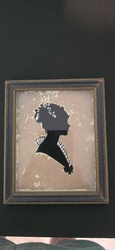
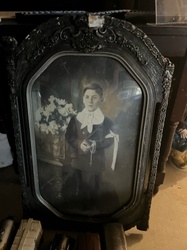
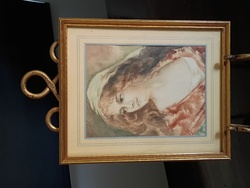
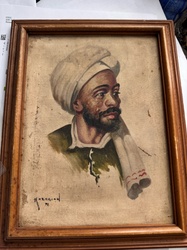
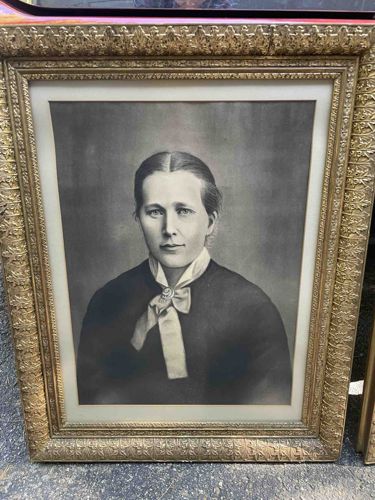
Pencil or charcoal portrait drawing from late 1800’s-early 1900’s

AI analysis below

AI appraisal

AI analysis & estimate

AI-Generated · Verify before acting

Everything below is generated by AI for informational purposes only. AI can make mistakes — the AI may misidentify items or misattribute them (artist, maker, brand, designer, origin, era). This is not an official valuation and should not be used for insurance, sale, tax, estate, legal, or lending purposes — or any decision requiring a certified appraisal. It is not an authoritative claim about any person, brand, or rights holder — do not share or rely on it as a factual statement about a third party. Always consult qualified professionals before making financial decisions.

Note

This analysis also relies on unverified notes provided by the user, which may be incomplete or inaccurate and could affect the result.

Read the full disclaimer

AI Identification

·Not independently authenticated·Verify before acting

Late Victorian Crayon Enlargement Portrait in Gilt Gesso Frame

Fine Art - Antique Portraits

AI Estimated Value

·Not an official valuation·Verify before acting

$350 - $550

As of June 4, 2026

AI Item Analysis

·AI can make mistakes·Verify before acting
This is a fine example of a 'crayon enlargement' or charcoal solar portrait, a popular photographic/artistic hybrid from the late 19th to early 20th century. The piece depicts a middle-aged woman in a formal, high-collared Victorian dress with a prominent bow and brooch. The medium appears to be charcoal and graphite over a faint photographic base, a technique used to create life-sized portraits of ancestors. The subjects' features are rendered with soft, blended gradations typical of the era, showcasing a high level of artisanal shading. The artwork is housed in a substantial, ornate gilded gesso and wood frame featuring elaborate repeating acanthus leaf and floral vine motifs in a deep relief pattern. The frame shows characteristic signs of age, including subtle craquelure in the gesso and light oxidation of the gold leaf-style finish. The portrait is set behind a simple off-white mat. There are no immediately visible signatures or maker's marks, which is common for these studio-produced commissions. The overall construction suggests a date range between 1885 and 1910. The condition appears stable, though there is potential light foxing or silvering consistent with the age of the paper and charcoal materials. The craftsmanship of the frame is particularly high, indicating a premium display piece for its time.
AI Appraisal Report

·AI can make mistakes·Verify before acting
Based on my examination of the submitted documentation and imagery, this piece is a classic late-Victorian 'crayon enlargement.' This technique involved projecting a photographic negative onto light-sensitive paper, which was then heavily over-painted with charcoal and graphite. The workmanship on the subject’s features is of high studio quality, and the ornate gilded gesso frame—dating circa 1890—is a significant component of the item's total value. The frame's deep relief acanthus motifs and stable condition suggest it was a tiered luxury offering for its time. The market for anonymous Victorian portraits is currently driven more by aesthetic appeal and interior design trends than by historical significance. Comparables for solar portraits of unidentified sitters typically realize between $200 and $400, while the value of this specific piece is bolstered by the superior preservation of the frame. Limitations to value include the common absence of a signature and the inherent fragility of the gesso. Condition Assessment: Visually, the piece remains stable. The craquelure in the gesso is consistent with age and does not detract from the integrity. However, without a physical inspection, I cannot determine if there is acidic wood-pulp burning on the paper under the mat or if the 'foxing' mentioned is mold spores or simple silvering. A physical examination out of the frame would be required to verify the substrate’s health and search for hidden studio markings on the reverse. Full authentication of the medium would require a raking light test to distinguish the tactile charcoal layering from the underlying faint photographic image. Provenance documentation, such as a family lineage record, could potentially increase value if the subject were identified as a person of historical note.

Get your items appraised

Instant estimates of your treasures with AI-powered appraisals

Browse More Appraisals