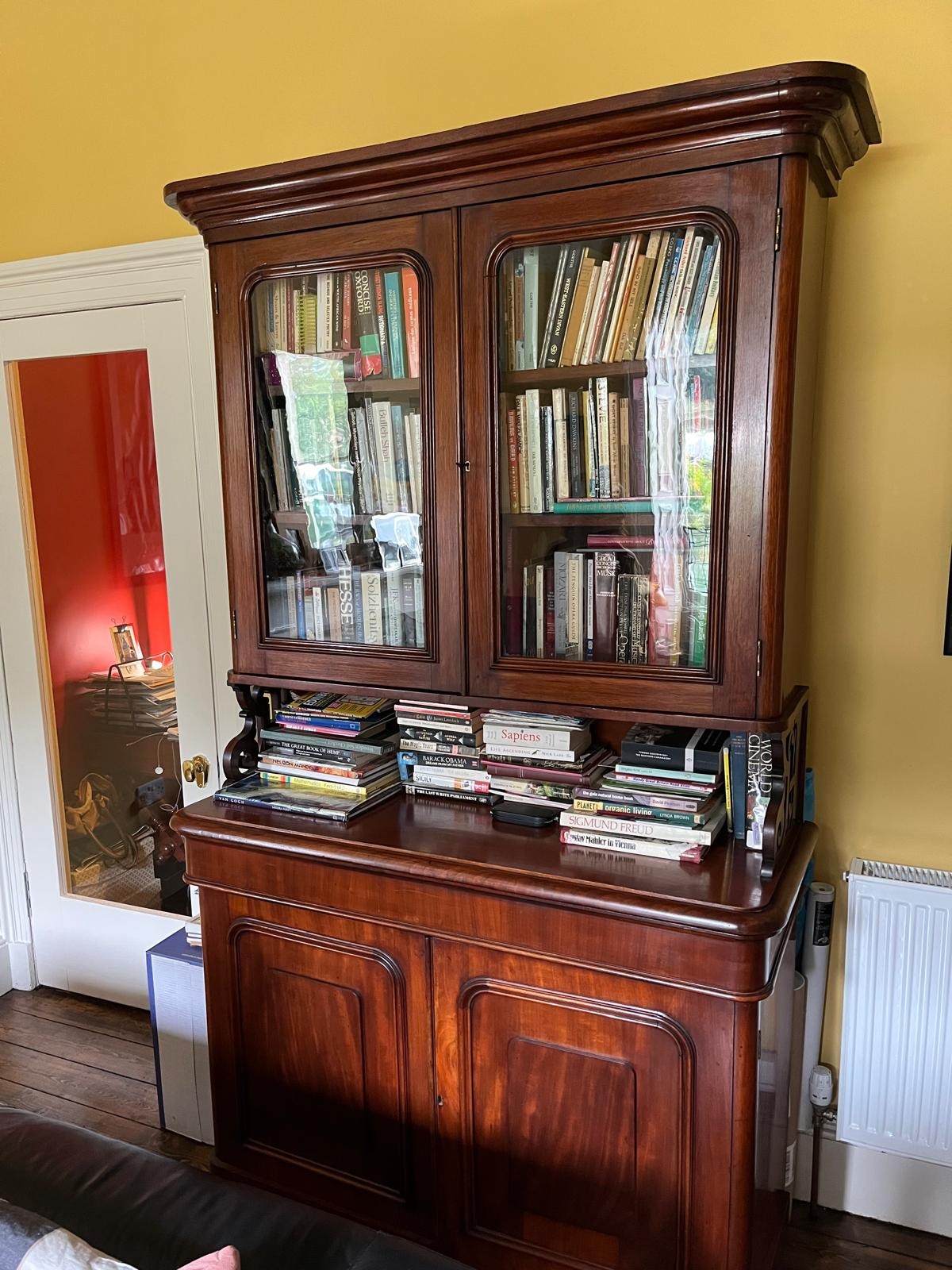
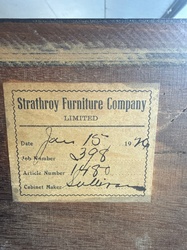
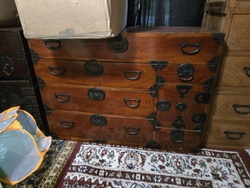
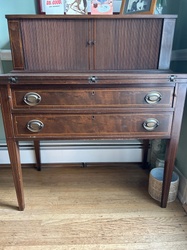
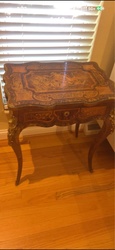
Antique glazed door bookcase with drawer and panelled cabinet. Briggs stamp inside drawer 220cm tall and 130cm wide
These notes were written by the person who submitted this item. Appraiser.AI has not verified them, and the AI's identification and estimate may rely on them.
AI Estimated Value
Not an official valuation
$1,500-$2,500
AI estimate as of August 21, 2026 · verify with a professional before acting
AI-Generated · Verify before acting
Everything on this page is generated by AI for informational purposes only. AI can make mistakes — the AI may misidentify items or misattribute them (artist, maker, brand, designer, origin, era). This is not an official valuation and should not be used for insurance, sale, tax, estate, legal, or lending purposes — or any decision requiring a certified appraisal. It is not an authoritative claim about any person, brand, or rights holder — do not share or rely on it as a factual statement about a third party. Always consult qualified professionals before making financial decisions.
This analysis also relies on unverified notes provided by the user, which may be incomplete or inaccurate and could affect the result.
This large, two-section antique furniture piece appears to be a Victorian mahogany glazed bookcase cabinet, featuring a breakfront or break-style top cornice, a set of upper glazed glass doors enclosing adjustable shelving currently filled with various books, a middle surface area currently cluttered with stacked books and reading materials, and a lower base cabinet featuring paneled wooden doors. The wood exhibits a warm reddish-brown hue consistent with mahogany, showing a polished finish with visible grain patterns and moderate patina including minor surface scuffs and variations in sheen from age and use. The upper doors feature arched wooden framing around clear glass panes, while the lower section consists of solid paneled doors with matching arched molding details. The overall construction displays traditional joinery and craftsmanship typical of the 19th-century cabinetmaking style. The visual identification rests strictly on the visible physical characteristics, silhouette, materials, and hardware style. The owner's notes state that this is an 'Antique glazed door bookcase with drawer and panelled cabinet. Briggs stamp inside drawer 220cm tall and 130cm wide'; however, this user-supplied attribution regarding the specific maker's stamp and dimensions is unverified from the photograph alone, as the interior drawers and stamps are not visible in the image. No maker's mark, stamp, or signature is directly readable in this view. The piece exhibits an estimated age consistent with the Victorian era based on its design proportions and wood selection.
AI Appraisal Report
Based on the visual evidence provided, I can observe a large, two-section mahogany glazed bookcase cabinet exhibiting traditional 19th-century Victorian design characteristics, including a break-style top cornice, arched wooden framing, and solid lower paneled doors with a warm reddish-brown hue and polished finish. However, I cannot verify the interior drawers, joinery details, or the reported maker's stamp from a photograph alone. Per user submission: the owner identifies this as an antique glazed door bookcase with a drawer, paneled cabinet, and a Briggs stamp inside the drawer, measuring 220cm tall and 130cm wide. This estimate assumes the owner's attribution to maker Briggs and the stated dimensions are correct. Assuming the attribution is accurate, large Victorian mahogany bookcases of this style typically trade within the $1,500 to $2,500 range in the current antiques market, depending heavily on condition, regional demand, and overall structural integrity. Moderate surface scuffs and age-related wear are expected for pieces of this period, but excessive restoration or structural instability could negatively impact value. If physical inspection reveals the piece to be a later reproduction, replica, or lacking the purported maker's mark, the value would likely decrease to the $500-$900 range, as it would be judged purely on its decorative merits rather than attributed craftsmanship. A physical inspection, detailed examination of the interior drawer and stamp, and assessment of provenance documentation would be necessary to confirm authenticity and support the higher end of the valuation.