AI identification & appraisal estimate

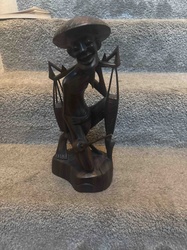
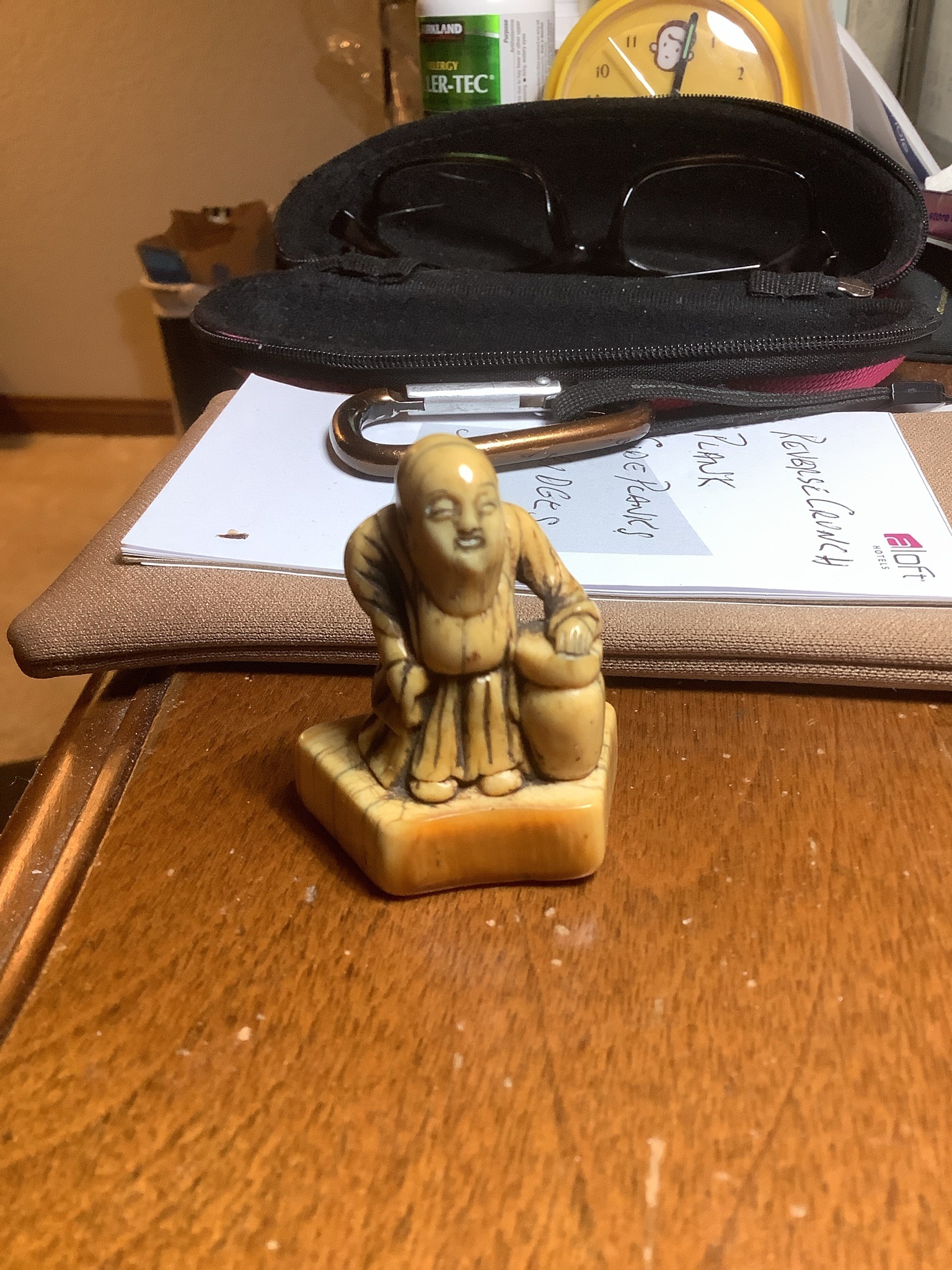
Carved netsuke-style figurine representing a male figure with a vessel

Submitted photo of Carved netsuke-style figurine representing a male figure with a vessel
Photo submitted by the user — not generated by AI

User's notes

Ivory good condition

These notes were written by the person who submitted this item. Appraiser.AI has not verified them, and the AI's identification and estimate may rely on them.

AI Estimated Value

Not an official valuation

$400 - $800

AI estimate as of May 27, 2026 · verify with a professional before acting

AI-Generated · Verify before acting

Everything on this page is generated by AI for informational purposes only. AI can make mistakes — the AI may misidentify items or misattribute them (artist, maker, brand, designer, origin, era). This is not an official valuation and should not be used for insurance, sale, tax, estate, legal, or lending purposes — or any decision requiring a certified appraisal. It is not an authoritative claim about any person, brand, or rights holder — do not share or rely on it as a factual statement about a third party. Always consult qualified professionals before making financial decisions.

This analysis also relies on unverified notes provided by the user, which may be incomplete or inaccurate and could affect the result.

Read the full disclaimer

AI Item Analysis

This item is a small, hand-carved figurine, approximately 2 to 3 inches in height, depicting a male character in traditional East Asian-style robes leaning against a large sack or vessel. The figure features a bald head, elongated earlobes, and a smiling expression, which is stylistically consistent with depictions of Hotei or a similar folk deity. The material appears to be a dense, cream-to-honey-colored substance with prominent vertical graining and cross-hatching visible in the carvings, which is often observed in organic materials like ivory or bone, or synthetic simulants like celluloid or resin. The user identifies the material as ivory; however, this claim is unverified by visual inspection alone, as distinguishing between natural ivory and high-quality bone or early plastics requires physical analysis of Schreger lines and surface reaction. The carving shows deep recesses filled with a dark pigment to enhance the detail of the robes and facial features. The base is an irregular pentagonal shape with a polished, slightly yellowed patina. Condition appears good with some superficial dust in the grooves and a warm coloration suggest age, though the vintage or antique status is unconfirmed. No maker's marks or signatures are visible in the provided image.
AI Appraisal Report

Based on my visual analysis of the provided images, this figurine appears to be a hand-carved netsuke or okimono-style sculpture depicting a figure consistent with Hotei, one of the Seven Lucky Gods. The owner identifies the material as ivory; however, I cannot verify this through a photo. While visible graining and cross-hatching are suggestive of an organic material, a physical inspection is required to identify Schreger lines or distinguish it from bone or early celluloid simulants. The value of $400 - $800 assumes the material is indeed antique ivory and that it dates to the late 19th or early 20th century. This estimate is heavily dependent on the assumed material and age. High-quality carvings in genuine ivory from this period currently maintain a specialized market, though trade is strictly regulated. If the item is determined to be a bone carving or a modern resin/plastic reproduction, the market value would likely drop significantly to the $50 - $150 range. The absence of a visible signature further complicates the attribution, as many master carvers signed their work on the base. To confirm this appraisal, a physical examination by a specialist is necessary to verify the material density and grain, potentially using ultraviolet light or microscopic analysis. Furthermore, because of international regulations regarding ivory, documentation of provenance or a formal age certification would be required to facilitate any legal sale. The current estimate reflects typical market behavior for unauthenticated items of this style and presumed material in good aesthetic condition with minor surface dust and natural patina development shown in the photographs provided by the user. Any chips or cracks not visible in the image would further decrease this valuation.

Keep exploring

More carvings and sculptures appraisals

Get your items appraised

Instant AI-powered appraisal estimates from a photo

Browse More Appraisals