AI identification & appraisal estimate

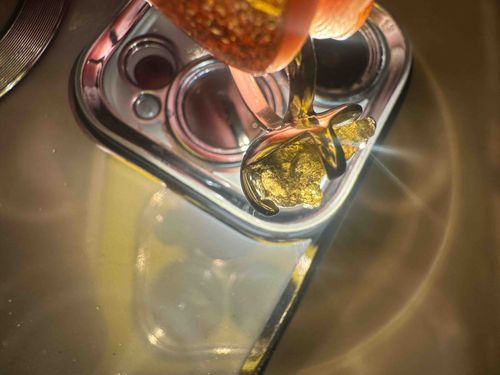
Sterling Silver Ring with Raw Moldavite Tektite

Submitted photo of Sterling Silver Ring with Raw Moldavite Tektite
Photo submitted by the user — not generated by AI

User's notes

4-6 carat Raw Moldavite tektite specimen formed approximately 14.7 million years ago, sterling silver ring with 925 marking, responsibly mined Moldavite from the Czech Republic

These notes were written by the person who submitted this item. Appraiser.AI has not verified them, and the AI's identification and estimate may rely on them.

AI Estimated Value

Not an official valuation

$175 - $250

AI estimate as of August 26, 2025 · verify with a professional before acting

AI-Generated · Verify before acting

Everything on this page is generated by AI for informational purposes only. AI can make mistakes — the AI may misidentify items or misattribute them (artist, maker, brand, designer, origin, era). This is not an official valuation and should not be used for insurance, sale, tax, estate, legal, or lending purposes — or any decision requiring a certified appraisal. It is not an authoritative claim about any person, brand, or rights holder — do not share or rely on it as a factual statement about a third party. Always consult qualified professionals before making financial decisions.

This analysis also relies on unverified notes provided by the user, which may be incomplete or inaccurate and could affect the result.

Read the full disclaimer

AI Item Analysis

The item is a sterling silver ring featuring a raw Moldavite tektite as its primary setting. The Moldavite, described as being between 4 and 6 carats, displays characteristics consistent with a natural, unpolished specimen formed approximately 14.7 million years ago. Its color appears to be a translucent, earthy green with visible inclusions and a rough, textured surface, indicative of its origin as a tektite. The unique, irregular shape of the Moldavite, with its visible natural formations and potential etchings, makes it a distinctive centerpiece. The stone is mounted in a setting that appears to be made of sterling silver, evidenced by its bright, reflective metallic luster and the provided context of a '925 marking'. The silver setting cradles the Moldavite securely, with visible prongs or a bezel-like structure holding the irregular stone in place. While the full ring band is not visible, the portion shown indicates a polished metallic surface. The overall condition appears good, with no immediately discernible damage to either the stone or the setting, though the raw nature of the Moldavite means its 'condition' is inherent to its formation rather than wear. The item possesses a natural, organic aesthetic, typical of geological jewelry. Quality indicators include the specified origin (Czech Republic) and the material purity for the silver ('925'), suggesting a responsibly sourced and crafted piece.
AI Appraisal Report

Upon visual examination of the provided images, I have assessed a sterling silver ring featuring a raw Moldavite specimen. The stone, reportedly 4 to 6 carats, presents with the characteristic earthy green color, surface texturing, and natural inclusions consistent with Moldavite tektite. The setting is described as '925' sterling silver, which appears to be in good condition, securely holding the irregularly shaped stone. My assessment is based on the visual evidence provided, which aligns with features of genuine Moldavite from the Czech Republic. The market for Moldavite has experienced significant volatility and high demand, driven by its unique origin story and metaphysical popularity. The size of this specimen, between 4 and 6 carats, places it in a desirable category for jewelry. Comparable raw Moldavite rings of similar size and quality in sterling silver settings typically retail in the mid-to-high $100s. The primary value driver is the Moldavite itself—its size, color, and natural form are key. However, this appraisal is limited by the inability to perform a physical inspection. Without personally handling the item, I cannot verify the '925' stamp, test the silver's purity, confirm the exact carat weight, or definitively authenticate the Moldavite. For full authentication, gemological testing (e.g., checking the refractive index and for characteristic inclusions like bubbles and lechatelierite) and verification of its origin through provenance documentation would be necessary to rule out imitations, which are prevalent in the market.

Keep exploring

More jewelry appraisals

Get your items appraised

Instant AI-powered appraisal estimates from a photo

Browse More Appraisals