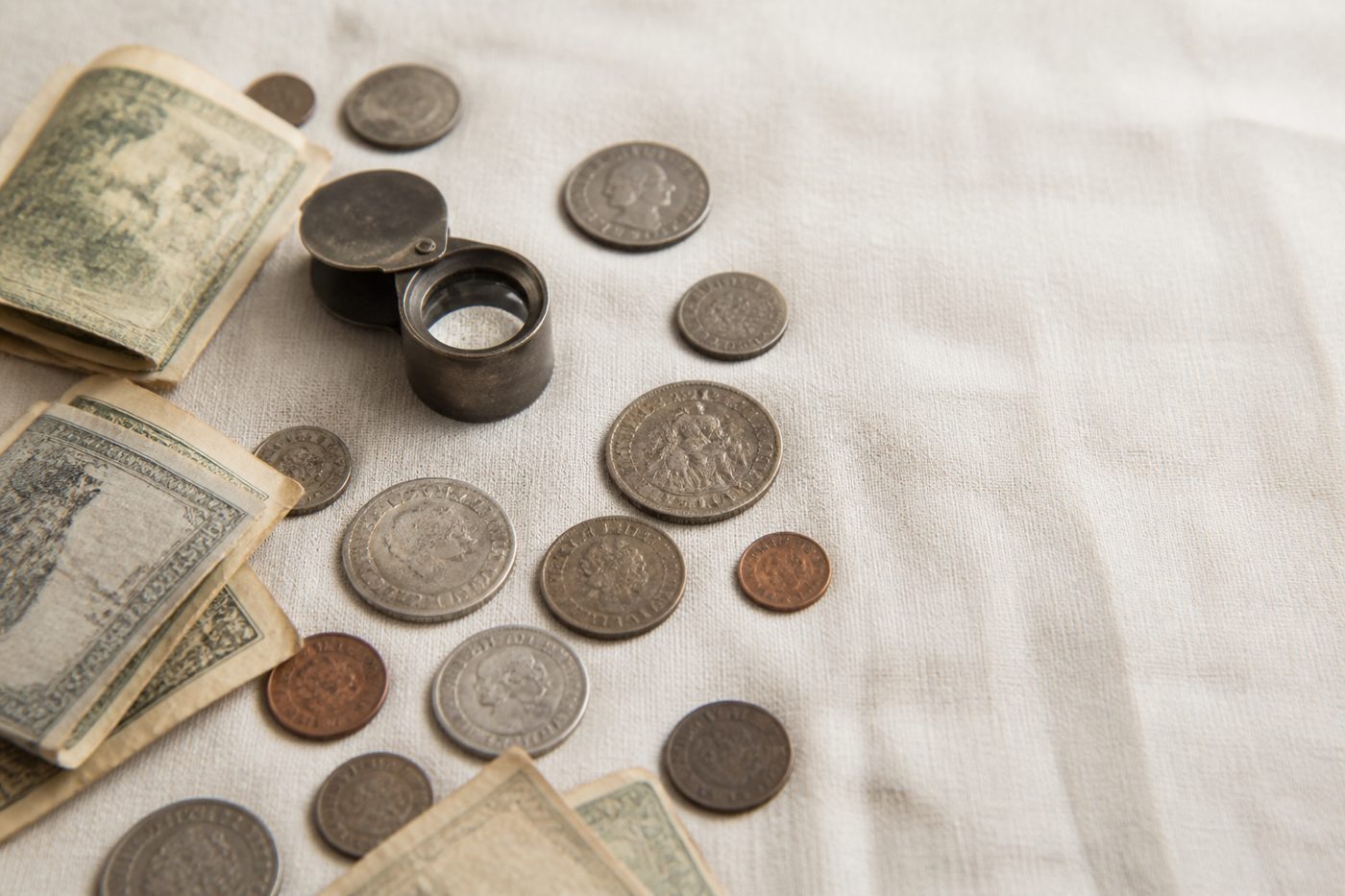
Two coins with the same date and design can sit at opposite ends of the value spectrum. What separates a common piece from a prized one is a combination of factors that numismatists weigh together: how many exist, what shape the coin is in, where it was struck, what it is made of, and how many collectors want it. Understanding these factors helps you interpret any estimate — including an instant one — with the right expectations.
Rarity and mintage
The starting question is how many were made and how many survive. Mintage figures matter, but survival matters more: some high-mintage coins were melted in huge numbers during metal recalls, leaving far fewer than the official count suggests. Key dates — years or mint combinations with unusually low production — tend to command strong premiums across a series. A common-date coin in a long-running series may be worth little more than its metal, while the scarce date in the same series can be a centerpiece.
Mint marks and varieties
Small letters indicating where a coin was struck can transform its value. A coin from a branch mint that produced only a fraction of the main mint's output is often the sought-after version of that year. Die varieties — doubled lettering, repunched mint marks, and other quirks introduced during die preparation — create sub-categories that specialists actively hunt.
Condition
Condition is often the single largest multiplier. Coins are graded on a detailed scale from heavily worn to pristine, and the jump between grades near the top can multiply value many times over. An uncirculated example of a coin that is common when worn can be genuinely scarce. Paper money follows the same logic: crisp, uncirculated notes with sharp corners and no folds tend to be valued far above the same note in worn state.
Metal content
Many older coins contain silver or gold, which sets a floor tied to the metal market. Pre-1965 United States dimes, quarters, and halves, for example, are 90% silver, so even worn common dates carry bullion-related value. Gold coins similarly carry intrinsic value regardless of collector demand — though numismatic value can rise well above metal content for scarce dates and high grades.
Errors and oddities
Mint mistakes that reach circulation — off-center strikes, double strikes, wrong-planchet errors, dramatic die breaks — form their own collecting field. On paper money, misaligned printing, inverted overprints, and mismatched serial numbers attract similar interest. The more dramatic and verifiable the error, the more collectors tend to pay attention. Beware, though: many apparent "errors" are post-mint damage, which usually reduces rather than adds value.
Provenance and pedigree
A documented history can add appeal, especially for major rarities. Coins traceable to famous collections or notable hoards often carry a premium, and original documentation — old envelopes, auction tags, holder labels — can support both authenticity and desirability.
Demand and completeness
Value ultimately depends on how many collectors are pursuing a series at a given time. Popular series with active collector bases tend to hold interest better than obscure ones of equal rarity. Completeness matters too: an intact proof or mint set in its original packaging is generally more desirable than broken-up pieces, and original government packaging or certificates can add appeal.
Putting it together
No single factor tells the whole story — a rare date in poor condition and a common date in perfect condition can end up in similar territory. Appraiser.AI's instant AI-powered estimate weighs what is visible in your photos to give you a useful starting point, but it is not an official valuation. Grade-sensitive and authenticity-sensitive pieces especially deserve review by a qualified professional appraiser or third-party grading service before you make any financial decision.