AI Appraisal Estimate

AI-generated estimates · not official valuations

From the user

What was submitted

Photo and notes provided by the user — not generated by AI

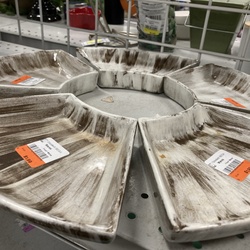
Submitted item photo
Submitted photo · June 17, 2026

User's notes

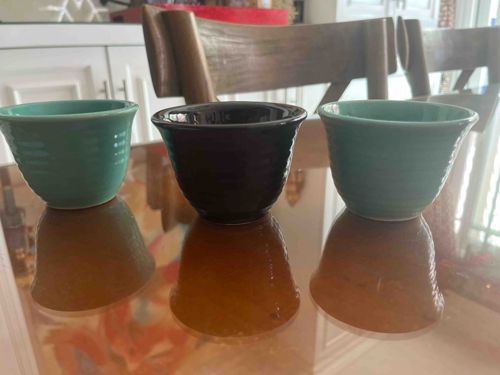
Bauer ringware custard bowls

AI analysis below

AI appraisal

AI analysis & estimate

AI-Generated · Verify before acting

Everything below is generated by AI for informational purposes only. AI can make mistakes — the AI may misidentify items or misattribute them (artist, maker, brand, designer, origin, era). This is not an official valuation and should not be used for insurance, sale, tax, estate, legal, or lending purposes — or any decision requiring a certified appraisal. It is not an authoritative claim about any person, brand, or rights holder — do not share or rely on it as a factual statement about a third party. Always consult qualified professionals before making financial decisions.

Note

This analysis also relies on unverified notes provided by the user, which may be incomplete or inaccurate and could affect the result.

Read the full disclaimer

AI Identification

·Not independently authenticated·Verify before acting

Bauer Pottery Ringware Custard Bowls

Vintage Kitchenware / California Pottery

AI Estimated Value

·Not an official valuation·Verify before acting

$45 - $65

As of June 17, 2026

AI Item Analysis

·AI can make mistakes·Verify before acting
A set of three vintage Bauer Pottery custard or ramekin bowls, featuring the iconic 'Ringware' design characterized by concentric horizontal ridges on the exterior bodies. The set includes two bowls in a vibrant Jade Green glaze and one in a dark, glossy Black glaze. These pieces are crafted from heavy, durable California earthenware and exhibit a flared rim and a slight taper toward the foot. Based on the Ringware pattern, these bowls were likely manufactured by the J.A. Bauer Pottery Company of Los Angeles between the 1930s and 1950s. The glazes are rich and high-gloss, typical of mid-century California pottery. Visible condition appears good with high reflectivity, suggesting minimal glaze wear or scratching; however, inherent manufacturing kiln marks or small 'stilt marks' on the bottom are common for this type of pottery. The construction is robust, showcasing the artisanal craftsmanship for daily-use kitchenware that was popular during the Depression and post-war eras. No immediate chips or cracks are visible in the photo, though a full inspection would check for internal crazing or rim nicks.
AI Appraisal Report

·AI can make mistakes·Verify before acting
Based on my visual examination of the three-piece Bauer Pottery 'Ringware' custard bowl set, I have determined these to be authentic examples of California pottery from the 1930s to the 1950s. The vibrant Jade Green and glossy Black glazes are hallmark colors of the J.A. Bauer Pottery Company of Los Angeles. The concentric rings are sharp and well-defined, suggesting these were cast from relatively fresh molds. The condition appears to be excellent for earthenware of this age, maintaining high reflectivity without obvious surface dulling from acidic foods or dishwasher use. The market for California Pottery remains stable, though segmented. Common shapes like custard bowls are highly collectible due to their functionality but are less scarce than specialized serving pieces like carafes or punch bowls. The Black glaze is particularly desirable among collectors as it provides a striking contrast in 'rainbow' sets, often commanding a slight premium over the more common greens and yellows. Recent comparable sales for individual Ringware ramekins range from $15 to $25 per piece depending on the color and condition. Factors impacting value include the lack of visible chips or 'fleabites' on the delicate ring ridges. However, I must note that authentication from images alone is limited. A physical inspection is required to check for internal 'crazing' (fine glaze cracking), which can significantly lower value if it permits moisture to seep into the porous clay body. Furthermore, I would need to inspect the foot-rings for authentic stilt marks and verify the absence of modern reproductions or professional restorations. Proving provenance through original catalog matches or purchase history would further solidify this valuation.

Get your items appraised

Instant estimates of your treasures with AI-powered appraisals

Browse More Appraisals