Pair of Antique Aqua Glass Bell-Shaped Insulators
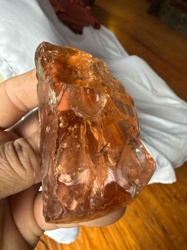
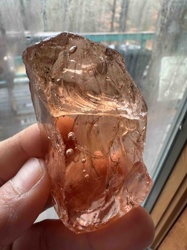
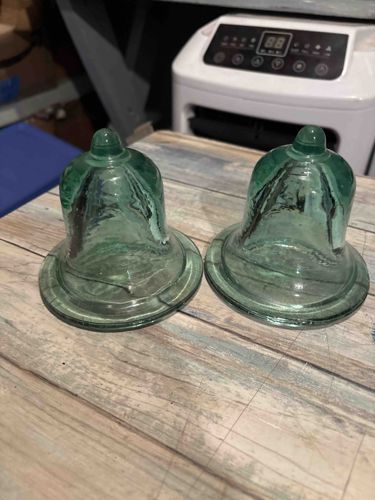
This pair of vintage items consists of two bell-shaped objects crafted from heavy, translucent aqua or 'coke-bottle green' glass. They feature a distinct flared base with a thick rim and a rounded top knob, characteristic of mid-to-late 19th-century glass manufacturing techniques. The interior appears hollow, and the glass contains numerous seeds (small air bubbles) and slight cooling striations, which indicate a primitive production process. The color is highly indicative of natural iron impurities found in early American glassworks. These appear to be specialty glass insulators, likely used for lightning rods or telegraphic lines rather than standard pole-top electrical distribution. Each piece shows a slight variation in mold marks, suggesting they are hand-finished or blown into a mold. Physical condition is fair to good, with visible internal fractures (shears) and surface scuffing along the wide bases and top domes. There are no prominent maker’s marks visible in the overhead view, but the artisanal quality suggests an age between 1860 and 1900. The weight and thick-walled construction were designed for durability against outdoor elements.
AI-Generated Appraisal Disclaimer
Estimated Value
$150 - $250
Basic Information
Category
Antique Glass / Industrial Memorabilia
Appraised On
February 4, 2026
Estimated Value
$150 - $250
Item Description
This pair of vintage items consists of two bell-shaped objects crafted from heavy, translucent aqua or 'coke-bottle green' glass. They feature a distinct flared base with a thick rim and a rounded top knob, characteristic of mid-to-late 19th-century glass manufacturing techniques. The interior appears hollow, and the glass contains numerous seeds (small air bubbles) and slight cooling striations, which indicate a primitive production process. The color is highly indicative of natural iron impurities found in early American glassworks. These appear to be specialty glass insulators, likely used for lightning rods or telegraphic lines rather than standard pole-top electrical distribution. Each piece shows a slight variation in mold marks, suggesting they are hand-finished or blown into a mold. Physical condition is fair to good, with visible internal fractures (shears) and surface scuffing along the wide bases and top domes. There are no prominent maker’s marks visible in the overhead view, but the artisanal quality suggests an age between 1860 and 1900. The weight and thick-walled construction were designed for durability against outdoor elements.
Related Tags
Explore similar items and categories:
Get Your Items Appraised
Instant estimates of your treasures with AI-powered instant appraisals