AI Appraisal Estimate

AI-generated estimates · not official valuations

From the user

What was submitted

Photo and notes provided by the user — not generated by AI

Submitted item photo
Submitted photo · June 1, 2026

User's notes

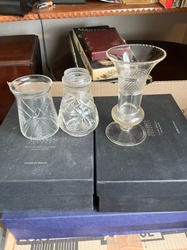
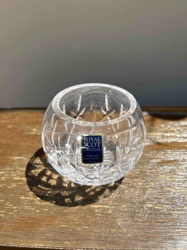
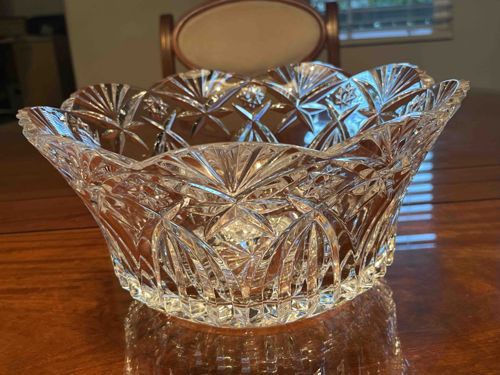
Edinburgh, heavy crystal bowl

AI analysis below

AI appraisal

AI analysis & estimate

AI-Generated · Verify before acting

Everything below is generated by AI for informational purposes only. AI can make mistakes — the AI may misidentify items or misattribute them (artist, maker, brand, designer, origin, era). This is not an official valuation and should not be used for insurance, sale, tax, estate, legal, or lending purposes — or any decision requiring a certified appraisal. It is not an authoritative claim about any person, brand, or rights holder — do not share or rely on it as a factual statement about a third party. Always consult qualified professionals before making financial decisions.

Note

This analysis also relies on unverified notes provided by the user, which may be incomplete or inaccurate and could affect the result.

Read the full disclaimer

AI Identification

·Not independently authenticated·Verify before acting

Edinburgh Crystal Thistle Pattern Cut Glass Fruit Bowl

Lead Crystal Glassware / Collectible Tableware

AI Estimated Value

·Not an official valuation·Verify before acting

$250 - $450

As of June 1, 2026

AI Item Analysis

·AI can make mistakes·Verify before acting
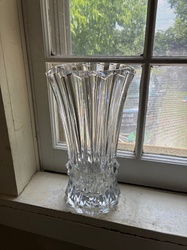
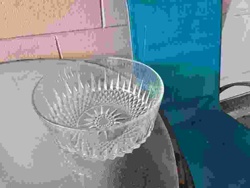
This is a substantial, heavy lead-crystal decorative bowl, likely manufactured by Edinburgh Crystal in the iconic 'Thistle' or 'Star of Edinburgh' style. The bowl features a flared, scalloped rim that undulates with the geometric rhythm of the cutting. The exterior is extensively decorated with deep-cut diamond patterns, crisscross hatching, and radiating fan or 'starburst' motifs that create a prismatic light effect, characteristic of high-quality lead crystal from the mid-to-late 20th century. The glass exhibits a high degree of clarity and a significant brilliance in its refractive indices, suggesting a high lead oxide content. The base is thick and multi-faceted to provide stability to the wide-reaching walls. Physically, the piece appears to be in excellent used condition with no visible chips to the delicate points of the scallops or fractures along the deep cut lines. While no specific maker's mark is visible in the photograph, the weight and complexity of the cut are hallmarks of the Edinburgh Crystal tradition in Scotland. This style of craftsmanship peaked in the mid-1900s, reflecting a timeless Victorian-revival aesthetic in luxury tableware.
AI Appraisal Report

·AI can make mistakes·Verify before acting
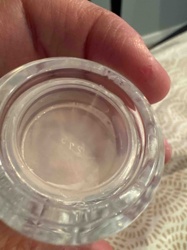
Based on my visual examination of the images and the technical details provided, I have assessed this substantial lead crystal bowl. The item exhibits the 'Thistle' pattern characteristics associated with Edinburgh Crystal, a renowned Scottish glassmaker. The deep-cut diamond patterns, starburst motifs, and scalloped rim indicate high-quality craftsmanship consistent with mid-to-late 20th-century production. The clarity and refractive brilliance suggest a 24% (or higher) lead oxide content, typical of premium luxury tableware from this era. The condition appears to be excellent. The absence of chips on the delicate scalloped points and the lack of internal fractures or 'sickness' significantly bolster its marketability. In the current secondary market, vintage Scottish crystal remains collectible, though values have stabilized as consumer preferences shift toward modern minimalist styles. Similar large-format fruit bowls from the 'Thistle' line typically realize between $250 and $450 at auction or specialized retail. A significant limitation of this appraisal is the absence of a visible acid-etched maker's mark in the photographs. While the weight and pattern are indicative of Edinburgh Crystal, many high-end continental makers produced similar 'Victoria' styles. To finalize authentication, an in-person inspection would be required to locate the micro-etched 'Edinburgh' signature usually found on the base or near the rim. Additionally, a physical check for 'flea bites' (tiny nicks) and a ring test for resonance would confirm the structural integrity. Provenance documentation or the original presentation box would also command the higher end of the valuation range.

Get your items appraised

Instant estimates of your treasures with AI-powered appraisals

Browse More Appraisals