1937 United States Buffalo Nickel
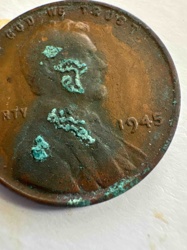
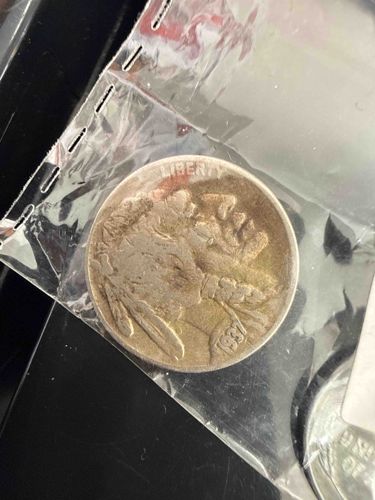
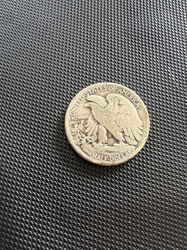
This is a United States five-cent piece, commonly known as a Buffalo Nickel or Indian Head Nickel, dated 1937. Designed by sculptor James Earle Fraser, the obverse features a right-facing portrait of a Native American man, which was created as a composite of three different chiefs. The word LIBERTY is visible along the upper right rim, and the year 1937 is clearly struck on the shoulder. The coin is composed of 75% copper and 25% nickel, measuring 21.2mm in diameter with a plain edge. This particular specimen displays significant signs of circulation and wear; the facial details of the portrait and the feathers in the hair are flattened, indicating a grade likely in the Good to Very Good range. A noticeable dark, brownish patina or environmental toning has developed over much of the surface, particularly in the recessed areas. No mint mark is visible in the provided image (which would be on the reverse below the buffalo), suggesting it was minted in Philadelphia. The coin is currently housed in a plastic flip or protective sleeve, which is scratched and shows staple marks, indicating older storage methods. Despite the heavy wear, the date remains legible, which is a key factor for this series as the date was often worn away due to the high-relief design.
AI-Generated Appraisal Disclaimer
Estimated Value
$1.00 - $3.00
Basic Information
Category
Numismatics / US Coins
Appraised On
December 20, 2025
Estimated Value
$1.00 - $3.00
Item Description
This is a United States five-cent piece, commonly known as a Buffalo Nickel or Indian Head Nickel, dated 1937. Designed by sculptor James Earle Fraser, the obverse features a right-facing portrait of a Native American man, which was created as a composite of three different chiefs. The word LIBERTY is visible along the upper right rim, and the year 1937 is clearly struck on the shoulder. The coin is composed of 75% copper and 25% nickel, measuring 21.2mm in diameter with a plain edge. This particular specimen displays significant signs of circulation and wear; the facial details of the portrait and the feathers in the hair are flattened, indicating a grade likely in the Good to Very Good range. A noticeable dark, brownish patina or environmental toning has developed over much of the surface, particularly in the recessed areas. No mint mark is visible in the provided image (which would be on the reverse below the buffalo), suggesting it was minted in Philadelphia. The coin is currently housed in a plastic flip or protective sleeve, which is scratched and shows staple marks, indicating older storage methods. Despite the heavy wear, the date remains legible, which is a key factor for this series as the date was often worn away due to the high-relief design.
Related Tags
Get Your Items Appraised
Instant estimates of your treasures with AI-powered instant appraisals