AI identification & appraisal estimate

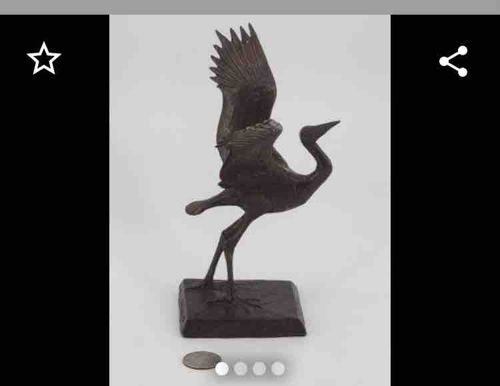
Japanese Bronze Crane Sculpture

Submitted photo of Japanese Bronze Crane Sculpture
Photo submitted by the user — not generated by AI

AI Estimated Value

Not an official valuation

$450 - $700

AI estimate as of January 1, 2026 · verify with a professional before acting

AI-Generated · Verify before acting

Everything on this page is generated by AI for informational purposes only. AI can make mistakes — the AI may misidentify items or misattribute them (artist, maker, brand, designer, origin, era). This is not an official valuation and should not be used for insurance, sale, tax, estate, legal, or lending purposes — or any decision requiring a certified appraisal. It is not an authoritative claim about any person, brand, or rights holder — do not share or rely on it as a factual statement about a third party. Always consult qualified professionals before making financial decisions.

Read the full disclaimer

AI Item Analysis

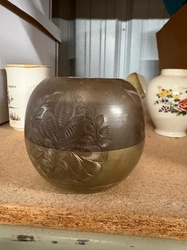
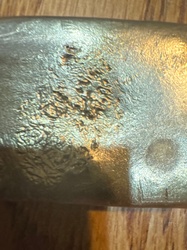
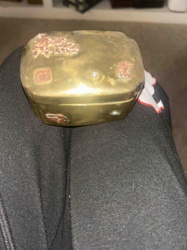
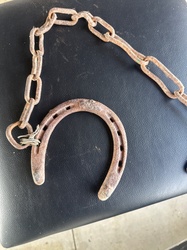
This is a cast bronze sculpture of a crane, a traditional symbol of longevity and good fortune. The piece is depicted in a dynamic, mid-flight or takeoff pose with one leg extended and wings raised high. It is mounted on a heavy, textured rectangular bronze plinth. The material shows a deep, dark brown patina with hints of aged verdigris in the recessed areas. Detailed feathered texture is visible across the wings and body, suggesting high-quality artisanal casting. The construction appears solid and substantial, typical of Meiji period (1868-1912) or early 20th-century Showa era metalwork. The scale is relatively small, as indicated by the coin placed in the foreground for size reference. Notable features include the elegant curvature of the neck and the sharp, pointed beak. There are no immediate signs of fractures or significant repairs, though the surface shows light wear consistent with age, including some rubbing on the high points of the wingtips and a slight dusting of oxidation on the base. The base has a rugged, hand-hammered finish that contrasts with the more refined detail of the bird itself, a hallmark of skilled Japanese craftsmanship.
AI Appraisal Report

I have virtually examined this cast bronze sculpture of a crane, a motif deeply rooted in Japanese symbolism representing longevity. Based on the stylistic execution, specifically the dynamic pose and the characteristic hand-finished textured plinth, the piece appears to be a high-quality example of Japanese bronze work from the late Meiji to early Showa period (circa 1900-1940). The casting shows refined detail in the feathering, and the deep brown patina with verdigris highlights suggests genuine age. The condition appears stable with minor surface wear and oxidation consistent with a century of display. Market demand for Japanese metalwork remains steady, particularly for animalier subjects with high levels of naturalistic detail. Similar bronzes of this scale (indicated by the reference coin) typically achieve mid-range decorative arts prices. Factors positively impacting value include the elegant 'take-off' posture and the integrity of the original base. However, value is capped by the lack of a visible artist signature or 'Hanko' stamp in the provided documentation. It is important to note that this appraisal is based on photographic evidence only. A definitive authentication requires a physical inspection to verify the weight/alloy composition and to check for hidden foundry marks under the plinth. Scientific testing, such as X-ray fluorescence (XRF) for metal analysis, and provenance documentation linking it to a specific collection or workshop would be necessary to elevate its status to a fine art category rather than a high-end decorative antique.

Keep exploring

More asian antiques & decorative metalwork appraisals

Get your items appraised

Instant AI-powered appraisal estimates from a photo

Browse More Appraisals