Fossilized Ungual (Claw) in Matrix
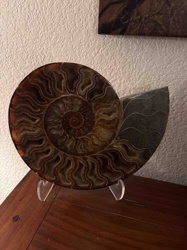
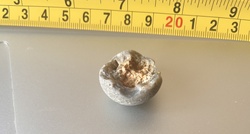
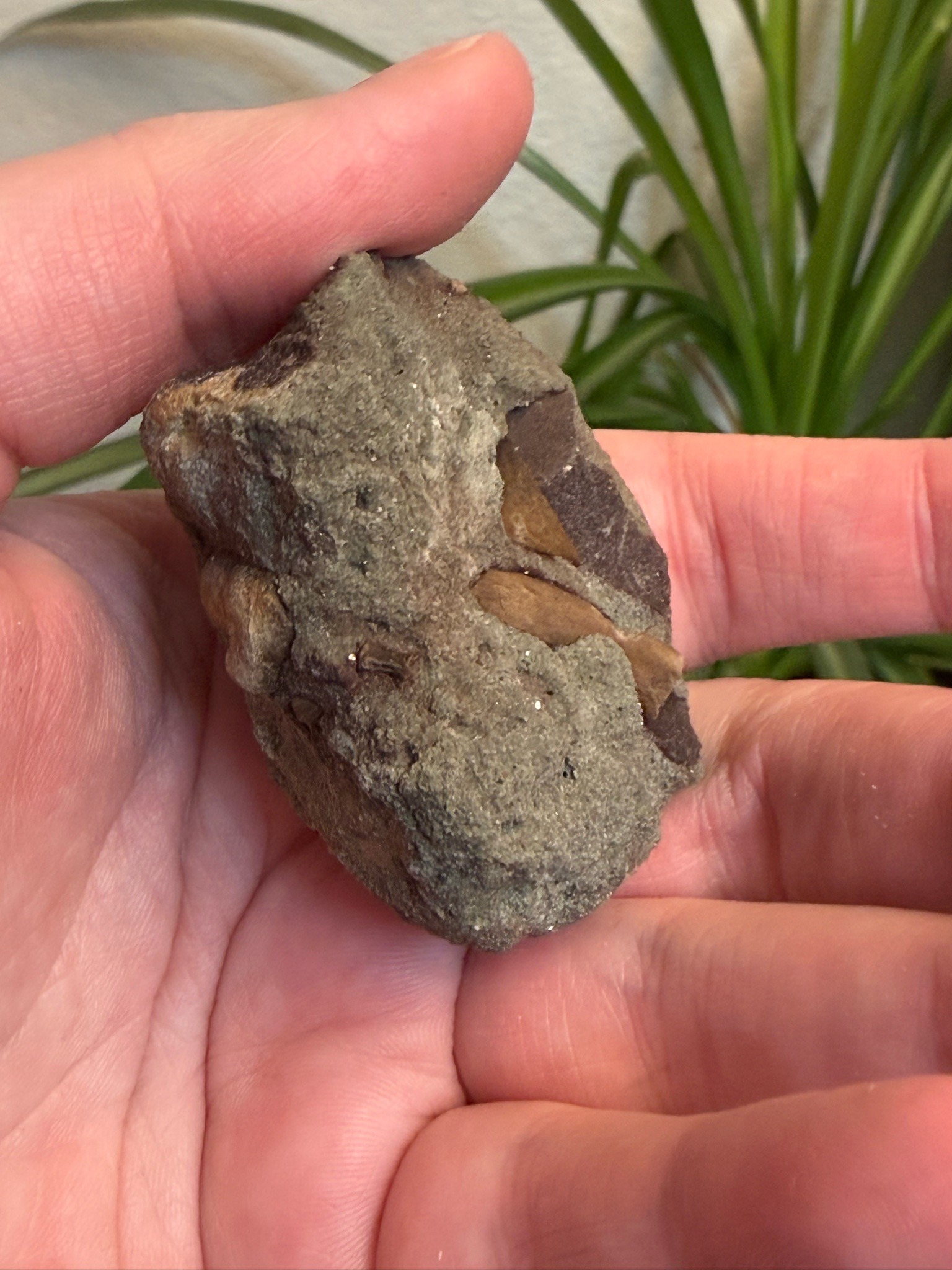
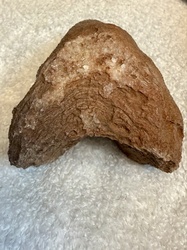
This specimen features a fossilized ungual, commonly referred to as a claw, partially embedded within its original sedimentary matrix. The physical size is approximately 5 to 7 centimeters in length, making it a handheld specimen suitable for private collections. The matrix is a gritty, gray-tan siltstone or sandstone, suggesting a fluvial or lacustrine paleoenvironment. The fossil itself displays distinct mineralization with a deep mahogany to tan color palette, exhibiting the characteristic preservation of bone or keratinous sheaths found in vertebrate fossils. Notable features include a visible cross-section of the bone density and a tapered, curved morphology indicative of a predatory or specialized digging appendage. The condition is raw and unprepared; a significant portion of the fossil remains encased in stone, which protects the integrity of the bone but obscures fine anatomical details like the blood grooves or articular surfaces. No artificial repairs or consolidants are immediately visible, though minor surface weathering and fractures on the exposed bone parts are present. Based on the morphology and context, this specimen likely dates to the Mesozoic Era, potentially from a theropod dinosaur or a Cretaceous reptile species, representing a high-quality example of taphonomic preservation where the biological material has been fully replaced by minerals.
AI-Generated Appraisal Disclaimer
Estimated Value
$450 - $700
Basic Information
Category
Paleontology / Natural History
Appraised On
May 12, 2026
Estimated Value
$450 - $700
Additional Details Provided By Owner
User Provided Information
Claw fossil
Item Description
This specimen features a fossilized ungual, commonly referred to as a claw, partially embedded within its original sedimentary matrix. The physical size is approximately 5 to 7 centimeters in length, making it a handheld specimen suitable for private collections. The matrix is a gritty, gray-tan siltstone or sandstone, suggesting a fluvial or lacustrine paleoenvironment. The fossil itself displays distinct mineralization with a deep mahogany to tan color palette, exhibiting the characteristic preservation of bone or keratinous sheaths found in vertebrate fossils. Notable features include a visible cross-section of the bone density and a tapered, curved morphology indicative of a predatory or specialized digging appendage. The condition is raw and unprepared; a significant portion of the fossil remains encased in stone, which protects the integrity of the bone but obscures fine anatomical details like the blood grooves or articular surfaces. No artificial repairs or consolidants are immediately visible, though minor surface weathering and fractures on the exposed bone parts are present. Based on the morphology and context, this specimen likely dates to the Mesozoic Era, potentially from a theropod dinosaur or a Cretaceous reptile species, representing a high-quality example of taphonomic preservation where the biological material has been fully replaced by minerals.
Get Your Items Appraised
Instant estimates of your treasures with AI-powered instant appraisals