Prehistoric Flint Scraper / Bifacial Multipurpose Tool
Archaeological Artifacts / Lithic Tools

Prehistoric Flint Scraper / Bifacial Multipurpose Tool

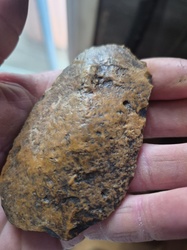
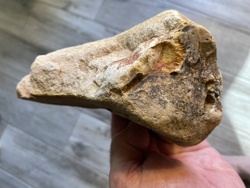
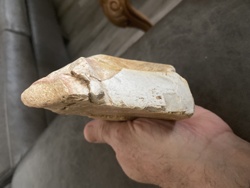
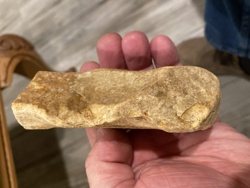
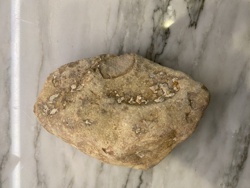
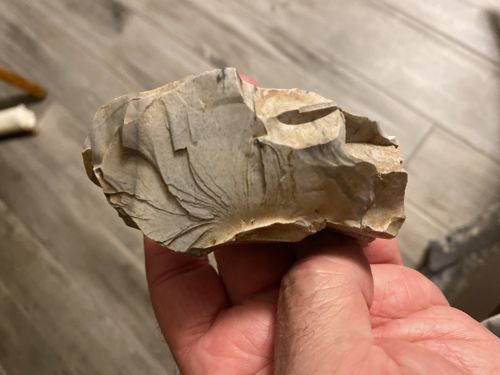
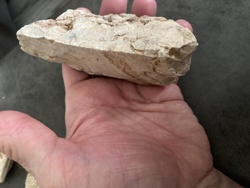
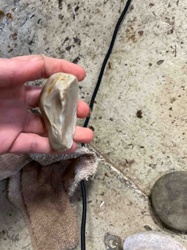
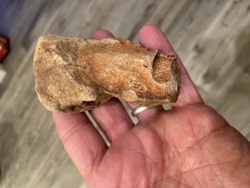
This is a prehistoric lithic artifact, specifically a bifacial scraper or knife tool, measuring approximately 3 inches by 2 inches. The item is manufactured from a high-quality chert or flint material, consistent with lithic resources found in the Oklahoma region. Its coloration is a mottled light tan to creamy grey, with visible conchoidal fracture patterns that indicate intentional percussion flaking. The surface reveals several secondary pressure-flaked scars along the margins, which were used to create a sharpened working edge for scraping hides or cutting tasks. Significant ripples of force are visible in the bulbs of percussion, a hallmark of human craftsmanship rather than natural thermal fracturing. The condition appears to be stable, showing a distinct 'desert varnish' or mineralized patina consistent with a specimen that has been buried or exposed to the elements over a long duration. There are visible step fractures and minor hinge fractures across the dorsal surface, likely sustained during the manufacturing process or through prehistoric use-wear. No modern manufacturing marks or signatures are present, as is characteristic of prehistoric tools from the Archaic or Woodland periods. The overall craftsmanship suggests a utilitarian tool designed for durability and repetitive use, maintaining a robust thickness while providing a functional edge.
Estimated Value

$45.00 - $75.00

Basic Information

Category

Archaeological Artifacts / Lithic Tools

Appraised On

February 18, 2026

Estimated Value

$45.00 - $75.00

Additional Details Provided By Owner

User Provided Information

Prehistoric flint knife blade scraper tool found in Guthrie, OK measuring 3" x 2"

Item Description

This is a prehistoric lithic artifact, specifically a bifacial scraper or knife tool, measuring approximately 3 inches by 2 inches. The item is manufactured from a high-quality chert or flint material, consistent with lithic resources found in the Oklahoma region. Its coloration is a mottled light tan to creamy grey, with visible conchoidal fracture patterns that indicate intentional percussion flaking. The surface reveals several secondary pressure-flaked scars along the margins, which were used to create a sharpened working edge for scraping hides or cutting tasks. Significant ripples of force are visible in the bulbs of percussion, a hallmark of human craftsmanship rather than natural thermal fracturing. The condition appears to be stable, showing a distinct 'desert varnish' or mineralized patina consistent with a specimen that has been buried or exposed to the elements over a long duration. There are visible step fractures and minor hinge fractures across the dorsal surface, likely sustained during the manufacturing process or through prehistoric use-wear. No modern manufacturing marks or signatures are present, as is characteristic of prehistoric tools from the Archaic or Woodland periods. The overall craftsmanship suggests a utilitarian tool designed for durability and repetitive use, maintaining a robust thickness while providing a functional edge.
Get Your Items Appraised

Instant estimates of your treasures with AI-powered instant appraisals

Browse More Appraisals