Prehistoric Flint Handaxe and Scraper Tool
Archaeological Artifacts / Native American Lithics

Prehistoric Flint Handaxe and Scraper Tool

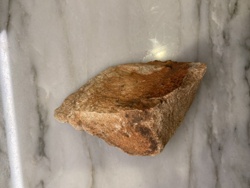
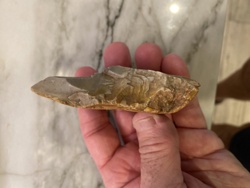
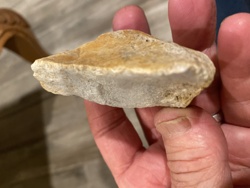
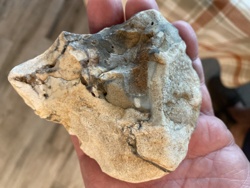
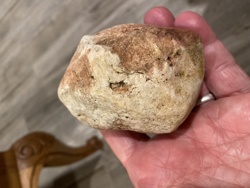
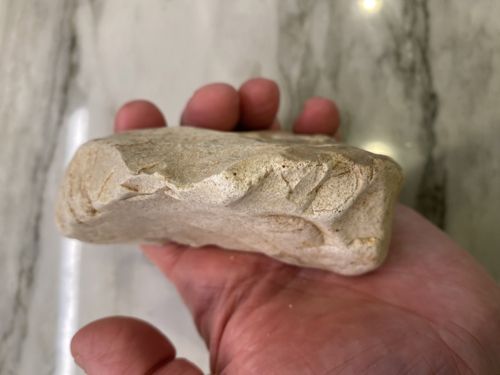
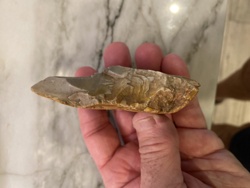
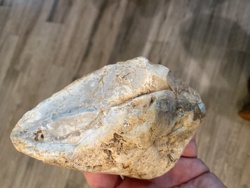
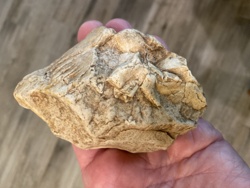
This is a prehistoric lithic artifact, specifically identified as a combined handaxe and scraper tool. Measuring approximately 4.5 inches by 4 inches, the item originates from Guthrie, Oklahoma. It is crafted from a light-tan to cream-colored flint or chert material typical of regional lithic sources. The tool exhibits clear evidence of percussion flaking and unifacial or bifacial retouching along the primary working edge to create a sharp, durable surface for scraping or cutting. One side features a flattened profile for a comfortable grip, while the opposing edge shows the intentional removal of flakes to form a functional blade. The surface demonstrates a significant aged patina with visible mineral deposits and weathering consistent with long-term burial in soil. The construction is robust, designed for heavy-duty prehistoric tasks such as hide processing or woodworking. There are no modern maker's marks, as this is a handmade cultural artifact from an indigenous archaeological context. Its condition shows natural edge wear and minor step fractures from use, but the core geometry remains intact, showcasing the skilled craftsmanship of early inhabitants of North America.
Estimated Value

$150 - $250

Basic Information

Category

Archaeological Artifacts / Native American Lithics

Appraised On

February 18, 2026

Estimated Value

$150 - $250

Additional Details Provided By Owner

User Provided Information

Prehistoric flint handaxe scraper tool found in Guthrie, OK measuring 4.5" x 4"

Item Description

This is a prehistoric lithic artifact, specifically identified as a combined handaxe and scraper tool. Measuring approximately 4.5 inches by 4 inches, the item originates from Guthrie, Oklahoma. It is crafted from a light-tan to cream-colored flint or chert material typical of regional lithic sources. The tool exhibits clear evidence of percussion flaking and unifacial or bifacial retouching along the primary working edge to create a sharp, durable surface for scraping or cutting. One side features a flattened profile for a comfortable grip, while the opposing edge shows the intentional removal of flakes to form a functional blade. The surface demonstrates a significant aged patina with visible mineral deposits and weathering consistent with long-term burial in soil. The construction is robust, designed for heavy-duty prehistoric tasks such as hide processing or woodworking. There are no modern maker's marks, as this is a handmade cultural artifact from an indigenous archaeological context. Its condition shows natural edge wear and minor step fractures from use, but the core geometry remains intact, showcasing the skilled craftsmanship of early inhabitants of North America.
Get Your Items Appraised

Instant estimates of your treasures with AI-powered instant appraisals

Browse More Appraisals