AI Appraisal Estimate

AI-generated estimates · not official valuations

From the user

What was submitted

Photo and notes provided by the user — not generated by AI

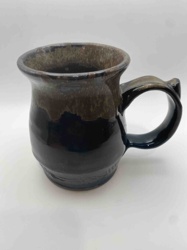
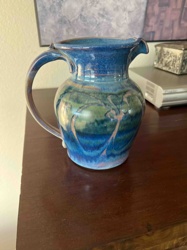
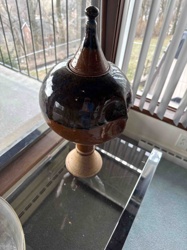
Submitted item photo
Submitted photo · June 20, 2026

User's notes

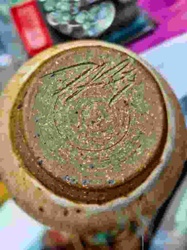
Pigeon Farm Pottery Tennessee

AI analysis below

AI appraisal

AI analysis & estimate

AI-Generated · Verify before acting

Everything below is generated by AI for informational purposes only. AI can make mistakes — the AI may misidentify items or misattribute them (artist, maker, brand, designer, origin, era). This is not an official valuation and should not be used for insurance, sale, tax, estate, legal, or lending purposes — or any decision requiring a certified appraisal. It is not an authoritative claim about any person, brand, or rights holder — do not share or rely on it as a factual statement about a third party. Always consult qualified professionals before making financial decisions.

Note

This analysis also relies on unverified notes provided by the user, which may be incomplete or inaccurate and could affect the result.

Read the full disclaimer

AI Identification

·Not independently authenticated·Verify before acting

Pigeon Forge Pottery Handmade Ceramic Teapot

Collectible Ceramics and Studio Pottery

AI Estimated Value

·Not an official valuation·Verify before acting

$125 - $175

As of June 20, 2026

AI Item Analysis

·AI can make mistakes·Verify before acting
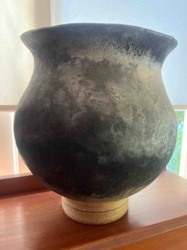
This is a wheel-thrown ceramic teapot by Pigeon Forge Pottery, a noted studio based in Pigeon Forge, Tennessee, founded by Douglas Ferguson. The vessel features a distinct globular, bulbous body with a heavily textured, rib-incised exterior. The exterior exhibits a matte, biscuit-colored stoneware finish with subtle dark speckling typical of native Tennessee clay. In contrast, the interior and spout rim are finished with a smooth, glossy glaze in a deep teal or robin's egg blue, a signature color palette for the studio. The teapot has a stout, tapered spout and a matching stoneware handle (partially visible). Notable for its Mid-Century Modern rustic aesthetic, the piece likely dates from the 1950s to the 1970s. The construction shows high craftsmanship with balanced proportions. Condition-wise, it appears in good vintage state, though some surface dust/grime is visible in the texture and on the base. A small price tag or inventory tag is visible on the handle. There are no major visible cracks, though a careful inspection of the spout tip reveals minor glaze wear consistent with age and use.
AI Appraisal Report

·AI can make mistakes·Verify before acting
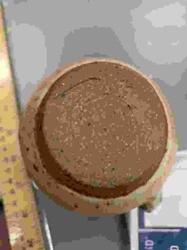
I have carefully examined the high-resolution images of this Pigeon Forge Pottery wheel-thrown teapot. This piece exhibits the hallmarks of the studio founded by Douglas Ferguson, specifically the tactile, rib-incised exterior contrasted with the signature robin’s egg blue/teal interior glaze. The use of native Tennessee clay is evident in the speckled biscuit-colored stoneware. Based on the construction and handle attachment, I estimate this piece dates to the mid-century period (1950s-1960s), which is the most sought-after era for collectors of this studio. The condition appears structurally sound with a well-preserved spout, though the surface accumulation of dust and minor glaze wear at the rim are noted. Market conditions for Mid-Century Modern American studio pottery remain steady; while Pigeon Forge produced a high volume of items, larger, functional vessels like teapots command a premium over small novelty knick-knacks. Comparables for signed, larger hollowware generally range from $100 to $200 depending on the complexity of the glaze. A significant factor in this valuation is the vibrant interior contrast which enhances its display appeal. Limitations: I cannot verify the presence of the incised 'Pigeon Forge Pottery' mark or Douglas Ferguson’s initials on the underside, which are critical for maximum value. A physical inspection is necessary to check for 'flea bites' on the interior lid seat and to confirm the absence of professional repairs to the spout. Full authentication would require examining the base for the official stamp and verifying its provenance through original sales receipts or family history.

Get your items appraised

Instant estimates of your treasures with AI-powered appraisals

Browse More Appraisals