AI Appraisal Estimate

AI-generated estimates · not official valuations

From the user

What was submitted

Photo and notes provided by the user — not generated by AI

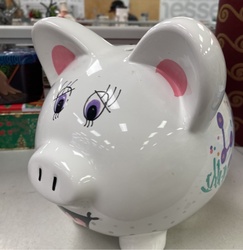
Submitted item photo
Submitted photo · June 10, 2026

User's notes

No additional notes provided.

AI analysis below

AI appraisal

AI analysis & estimate

AI-Generated · Verify before acting

Everything below is generated by AI for informational purposes only. AI can make mistakes — the AI may misidentify items or misattribute them (artist, maker, brand, designer, origin, era). This is not an official valuation and should not be used for insurance, sale, tax, estate, legal, or lending purposes — or any decision requiring a certified appraisal. It is not an authoritative claim about any person, brand, or rights holder — do not share or rely on it as a factual statement about a third party. Always consult qualified professionals before making financial decisions.

Read the full disclaimer

AI Identification

·Not independently authenticated·Verify before acting

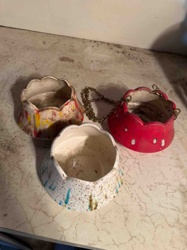
Japanese Satsuma-Style Chidori and Floral Porcelain Planter

Antique and Vintage Ceramics / Home Decor

AI Estimated Value

·Not an official valuation·Verify before acting

$150 - $250

As of June 10, 2026

AI Item Analysis

·AI can make mistakes·Verify before acting
This is a medium-sized decorative ceramic planter, likely crafted in the Satsuma style. It features a flared rim and a tapered body, common for botanical vessels. The exterior is richly decorated with overglaze enamels and gilt accents against a pale lavender or light pink ground. The primary motif includes stylized birds, possibly golden pheasants or chidori, perched amidst a dense arrangement of traditional East Asian flora such as peonies, lotus blossoms, and bamboo. The color palette is vibrant, utilizing shades of powder blue, ochre yellow, magenta, and turquoise. Notable features include thick, raised enamel outlines (moriage technique) which add texture and depth to the imagery. The rim is finished with a thin gold band, though visible wear and thinning are present. A significant condition issue is visible on the upper left side of the vessel, where it appears a large break has been repaired with a gold-colored filler, reminiscent of the Japanese kintsugi technique, though it may be a standard epoxy repair. The base shows a ring of unglazed stoneware with some staining. Based on the saturation of the colors and the style of the hand-painting, this likely dates to the mid-to-late 20th century, serving as a high-quality export or decorative ware piece.
AI Appraisal Report

·AI can make mistakes·Verify before acting
Upon visual examination of this Satsuma-style planter, I have identified it as a mid-to-late 20th-century decorative export piece. The vessel utilizes the moriage technique—heavy, raised enameling—to depict chidori among floral motifs. While the aesthetic draws from Meiji-era traditions, the vibrant color palette (specifically the powder blue and magenta) and the foot-ring's wear pattern suggest it is a modern twentieth-century production rather than a 19th-century antique. The most critical factor impacting value is the significant structural repair on the upper rim. While executed in a style evocative of Kintsugi, it is more likely a modern epoxy-based aesthetic repair. In the current market for Asian decorative arts, genuine antique Satsuma with fine artistry commands high prices, but later export wares are valued primarily for their decorative appeal. The visible repair, despite its gold-colored finish, classifies the item as 'damaged/restored,' which typically reduces the fair market value by 40-60% compared to a pristine example. This estimate is based on recent auction results for large 20th-century Japanese floral jars with similar condition issues. Note that this appraisal is based solely on digital images. A definitive valuation would require in-person inspection to verify if the repair is structural or cosmetic, to confirm the presence of any maker's marks on the base (currently obscured by staining), and to assess the authentic wear of the gilding under magnification. Provenance documentation or original sales records would also be necessary to elevate the item's historical standing.

Get your items appraised

Instant estimates of your treasures with AI-powered appraisals

Browse More Appraisals