Paleolithic Bifacial Chert Hand Axe/Scraper
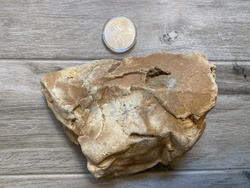
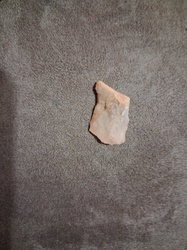
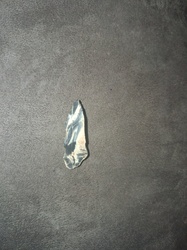
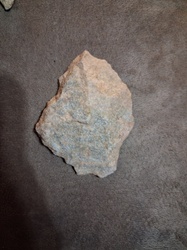
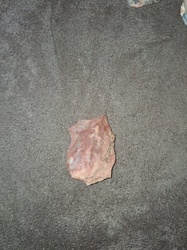
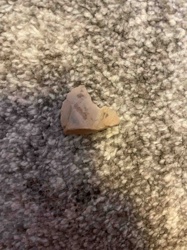
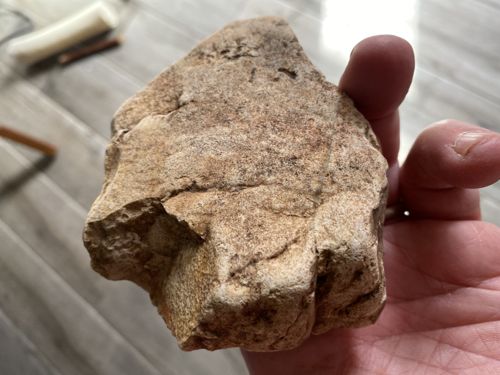
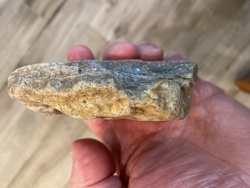
This artifact is a lithic tool measuring approximately 4 inches in length and 3.5 inches in width, fashioned from a dense, tan-to-beige chert. The item demonstrates characteristic bifacial reduction, where flakes have been systematically removed from both sides to create a functional, tapered edge. The material displays a weathered, matte texture consistent with long-term environmental exposure, featuring a heavy patina and mineralization across the surface. Notable percussion scars and step fractures are visible, particularly along the lower distal end where a significant 'hinge' fracture occurs. The item follows an ovate to sub-triangular silhouette, typical of multipurpose prehistoric scrapers and chopping tools. There are no modern maker's marks, as the object is hand-knapped through percussion. The edges show evidence of use-wear, including micro-flaking and smoothing, likely from processing animal hides or plant materials. While the central mass remains thick for a comfortable manual grip (obviating the need for hafting), the narrowing towards the tip suggests a focused point of impact. The condition is consistent with its age, showing dulling of once-sharp edges and significant surface encrustation from the Oklahoma soil matrix in which it was discovered.
AI-Generated Appraisal Disclaimer
Estimated Value
$45–$85
Basic Information
Category
Prehistoric Stone Artifacts / Archaeological Lithics
Appraised On
February 19, 2026
Estimated Value
$45–$85
Additional Details Provided By Owner
User Provided Information
Paleolithic chert hand axe scraper tool found in Guthrie OK 4" x 3.5"
Item Description
This artifact is a lithic tool measuring approximately 4 inches in length and 3.5 inches in width, fashioned from a dense, tan-to-beige chert. The item demonstrates characteristic bifacial reduction, where flakes have been systematically removed from both sides to create a functional, tapered edge. The material displays a weathered, matte texture consistent with long-term environmental exposure, featuring a heavy patina and mineralization across the surface. Notable percussion scars and step fractures are visible, particularly along the lower distal end where a significant 'hinge' fracture occurs. The item follows an ovate to sub-triangular silhouette, typical of multipurpose prehistoric scrapers and chopping tools. There are no modern maker's marks, as the object is hand-knapped through percussion. The edges show evidence of use-wear, including micro-flaking and smoothing, likely from processing animal hides or plant materials. While the central mass remains thick for a comfortable manual grip (obviating the need for hafting), the narrowing towards the tip suggests a focused point of impact. The condition is consistent with its age, showing dulling of once-sharp edges and significant surface encrustation from the Oklahoma soil matrix in which it was discovered.
Get Your Items Appraised
Instant estimates of your treasures with AI-powered instant appraisals