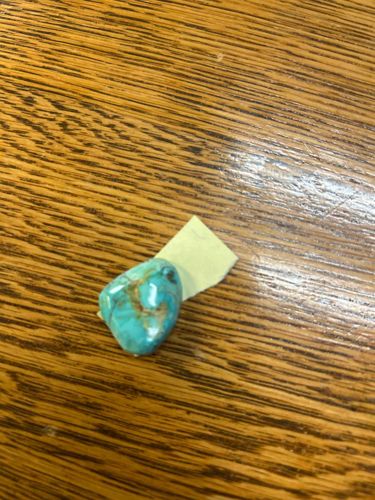
Tumbled Turquoise Gemstone Nugget
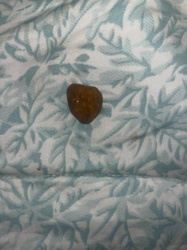
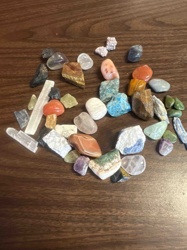
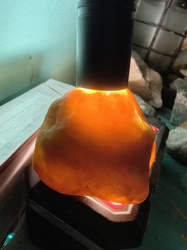
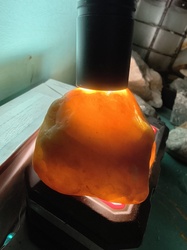
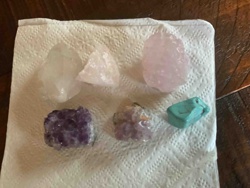
This item is a small, freeform tumbled turquoise gemstone, characterized by its vibrant cyan to robin-egg blue color. The stone features a prominent brown-to-tan limonite or sandstone host rock matrix that webs through the surface, adding significant visual character. Physically, the specimen is irregular in shape with rounded, polished edges, suggesting it has been machine-tumbled to a high-gloss finish. Its size appears to be approximately 1 to 2 centimeters in length. The surface displays a natural waxy luster typical of high-quality turquoise, though some minor surface pits and internal fractures are visible upon close inspection, which are common for this mineral. There are no visible maker's marks or signatures, as it is a raw mineral specimen. The condition appears stable with no major chips or structural failures, though the presence of the matrix can sometimes indicate areas of potential fragility. Based on its appearance and matrix pattern, it likely originates from a mine in the Southwestern United States or possibly Hubei, China. Its craftsmanship consists purely of the lapidary processes of tumbling and polishing rather than detailed carving.
AI-Generated Appraisal Disclaimer
Estimated Value
$15.00 - $25.00
Basic Information
Category
Gemstones and Minerals
Appraised On
January 16, 2026
Estimated Value
$15.00 - $25.00
Item Description
This item is a small, freeform tumbled turquoise gemstone, characterized by its vibrant cyan to robin-egg blue color. The stone features a prominent brown-to-tan limonite or sandstone host rock matrix that webs through the surface, adding significant visual character. Physically, the specimen is irregular in shape with rounded, polished edges, suggesting it has been machine-tumbled to a high-gloss finish. Its size appears to be approximately 1 to 2 centimeters in length. The surface displays a natural waxy luster typical of high-quality turquoise, though some minor surface pits and internal fractures are visible upon close inspection, which are common for this mineral. There are no visible maker's marks or signatures, as it is a raw mineral specimen. The condition appears stable with no major chips or structural failures, though the presence of the matrix can sometimes indicate areas of potential fragility. Based on its appearance and matrix pattern, it likely originates from a mine in the Southwestern United States or possibly Hubei, China. Its craftsmanship consists purely of the lapidary processes of tumbling and polishing rather than detailed carving.
Get Your Items Appraised
Instant estimates of your treasures with AI-powered instant appraisals