AI Appraisal Estimate

AI-generated estimates · not official valuations

From the user

What was submitted

Photo and notes provided by the user — not generated by AI

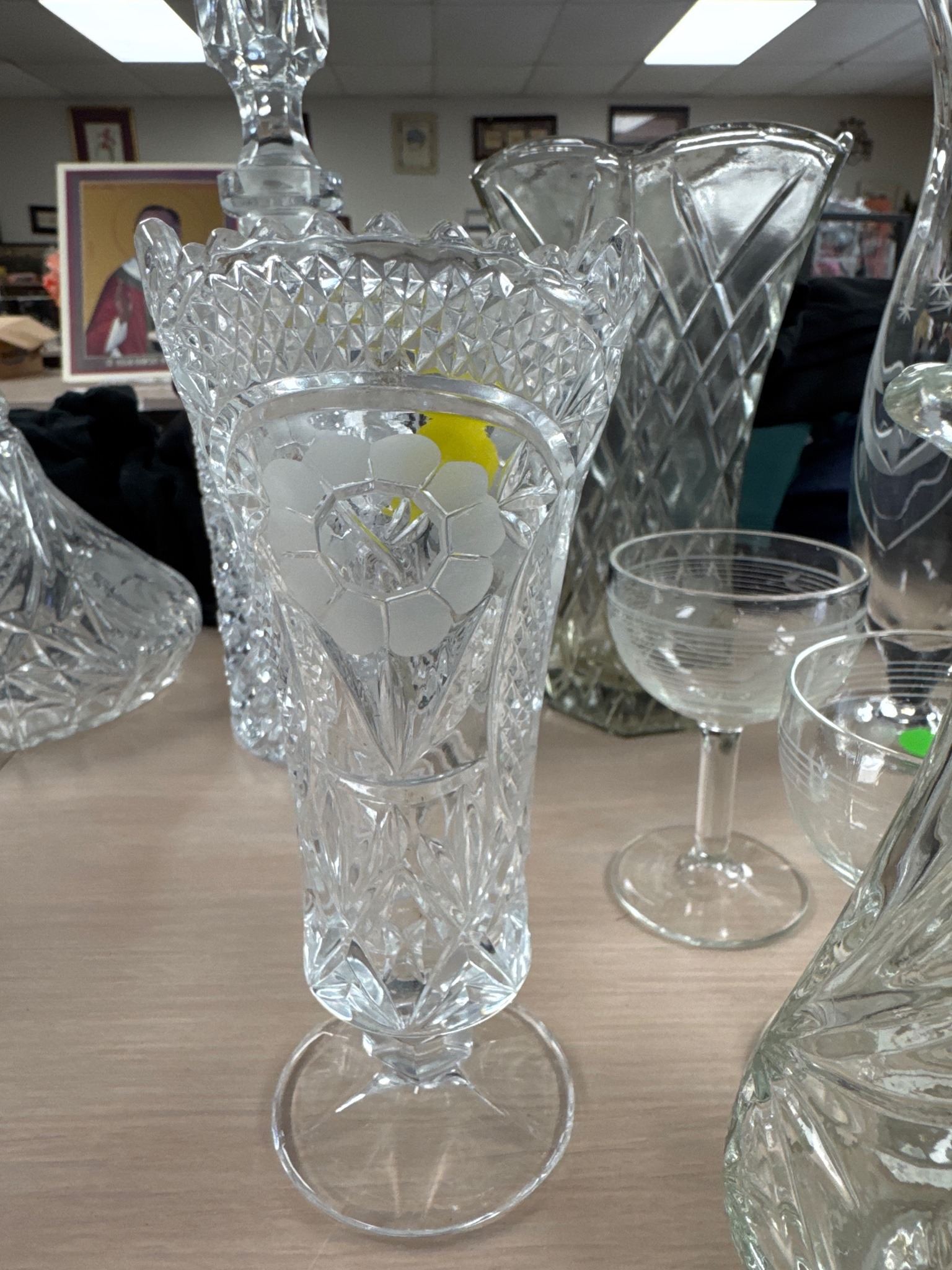
Submitted item photo
Submitted photo · June 30, 2026

User's notes

No additional notes provided.

AI analysis below

AI appraisal

AI analysis & estimate

AI-Generated · Verify before acting

Everything below is generated by AI for informational purposes only. AI can make mistakes — the AI may misidentify items or misattribute them (artist, maker, brand, designer, origin, era). This is not an official valuation and should not be used for insurance, sale, tax, estate, legal, or lending purposes — or any decision requiring a certified appraisal. It is not an authoritative claim about any person, brand, or rights holder — do not share or rely on it as a factual statement about a third party. Always consult qualified professionals before making financial decisions.

Read the full disclaimer

AI Identification

·Not independently authenticated·Verify before acting

Early American Pattern Glass (EAPG) Pedestal Vase

Antique Glassware / Collectible Decorative Arts

AI Estimated Value

·Not an official valuation·Verify before acting

$45.00 - $65.00

As of June 30, 2026

AI Item Analysis

·AI can make mistakes·Verify before acting
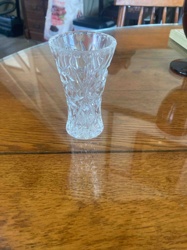
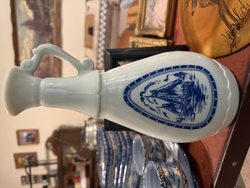
This is a vintage pressed glass pedestal vase, likely dating from the late 19th to early 20th century, consistent with Early American Pattern Glass (EAPG) styles. The vessel features a complex decorative scheme combining pressed geometric patterns and wheel-cut or acid-etched floral motifs. The upper rim is finished with a distinct sawtooth or feathered scalloped edge. The body is divided into decorative registers; the top section contains a fine diamond-point or hobnail-style grid, while the central field features a prominent frosted intaglio flower with eight petals, bordered by a clear raised band. The lower portion of the flute displays faceted vertical mitre cuts that taper toward a hexagonal wafer stem. The piece is supported by a simple, circular flared foot. The glass clarity is generally good, suggesting a lead or high-quality soda-lime composition, and it exhibits the characteristic brilliance and sharp refraction associated with pressed flint glass. Condition appears stable with no major chips visible on the primary decorative surfaces, though typical minor shelf wear and micro-flea bites may be present on the underside of the base and sharp sawtooth tips. This style of glass was popularized by American manufacturers like Fostoria, Heisey, or Bryce Brothers during the Victorian era and early 1900s.
AI Appraisal Report

·AI can make mistakes·Verify before acting
Based on my visual analysis of the provided image, I have examined this pressed glass pedestal vase, which demonstrates characteristics of American non-flint or early lime glass production from approximately 1890–1910. The piece features a 'Sawtooth' or 'Pineapple' type motif common in late-Victorian patterns, potentially by manufacturers like Bryce Brothers or Adams & Co. The contrast between the frosted intaglio floral medallion and the clear geometric diamond-point grid adds decorative interest. The presence of a hexagonal wafer stem and a scalloped rim is consistent with EAPG celery vases or table vessels of this period. The glass displays good clarity, though standard production marks such as mold seams and cooling lines appear typical for this era. In the current secondary market, EAPG prices have stabilized significantly after a decline; buyers today favor functional sizes and pieces with intact decorative edges. Comparable items sold at regional auctions or specialized glassware marketplaces generally fall within the $40 to $75 range depending on the specific pattern identification and attribution. Limitations of this appraisal include the inability to verify the glass composition (lead vs. soda-lime) through a ring test or UV fluorescence, which would confirm if it is 'flint' glass. I cannot confirm the presence of 'flea bites' on the sharp points of the sawtooth rim or the base foot without tactile inspection. Full authentication would require measuring the exact dimensions to cross-reference with known catalog entries and searching for a maker's mark, though most EAPG of this period was unmarked. This estimate assumes the absence of hidden hairline fractures or clouding (sickness).

Get your items appraised

Instant estimates of your treasures with AI-powered appraisals

Browse More Appraisals