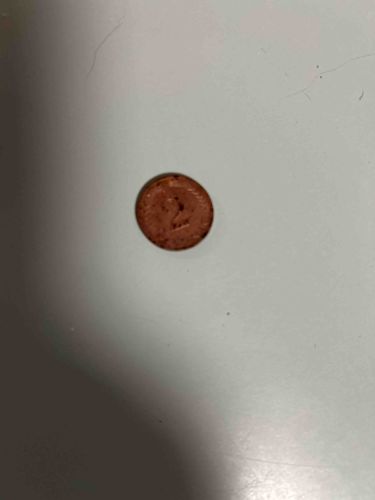
Circulated Austrian 2 Groschen Bronze Coin
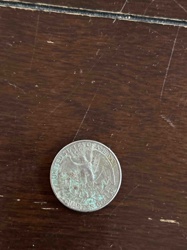
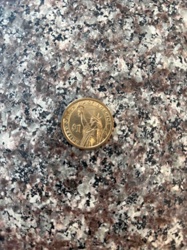
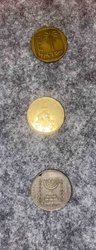
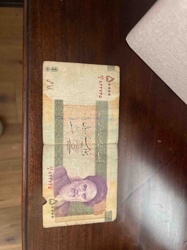
This item is a 2 Groschen coin from Austria, likely dating from the mid-20th century (specifically the Second Republic period, 1946-2001). The coin is composed of a bronze or copper-based alloy, displaying a characteristic dark brownish-red oxidation. The obverse features a prominent numeral '2', centered within a decorative circular border. The coin is small, typically measuring approximately 18mm in diameter with a weight of 1.66g. Physically, the coin shows significant signs of environmental exposure and age. There is prominent surface pitting, verdigris buildup (greenish oxidation), and general corrosion throughout the field and on the raised relief. The edges show wear and lack the sharp details of a high-grade specimen. Despite the heavy patina and signs of corrosion, the central denomination remains legible. This type of coinage was common currency in post-war Austria until the adoption of the Euro in 2002. The craftsmanship represents standard mass-produced circulation strike quality from the Austrian Mint in Vienna. No specific mint marks are clearly visible due to the surface degradation.
AI-Generated Appraisal Disclaimer
Estimated Value
$0.10 - $0.50
Basic Information
Category
Numismatics / Currency
Appraised On
March 16, 2026
Estimated Value
$0.10 - $0.50
Item Description
This item is a 2 Groschen coin from Austria, likely dating from the mid-20th century (specifically the Second Republic period, 1946-2001). The coin is composed of a bronze or copper-based alloy, displaying a characteristic dark brownish-red oxidation. The obverse features a prominent numeral '2', centered within a decorative circular border. The coin is small, typically measuring approximately 18mm in diameter with a weight of 1.66g. Physically, the coin shows significant signs of environmental exposure and age. There is prominent surface pitting, verdigris buildup (greenish oxidation), and general corrosion throughout the field and on the raised relief. The edges show wear and lack the sharp details of a high-grade specimen. Despite the heavy patina and signs of corrosion, the central denomination remains legible. This type of coinage was common currency in post-war Austria until the adoption of the Euro in 2002. The craftsmanship represents standard mass-produced circulation strike quality from the Austrian Mint in Vienna. No specific mint marks are clearly visible due to the surface degradation.
Related Tags
Get Your Items Appraised
Instant estimates of your treasures with AI-powered instant appraisals