Japanese Lacquerware Round Lidded Box
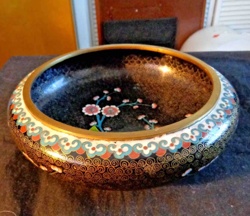
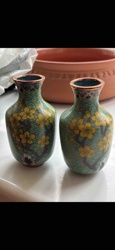
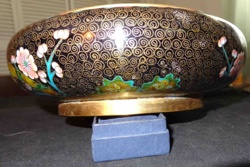
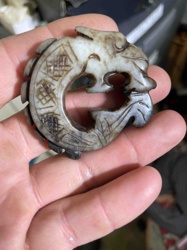
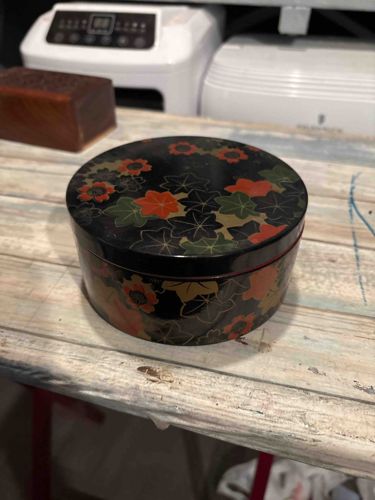
This item is a cylindrical, lidded container featuring traditional Japanese lacquerware (Urushi) aesthetics. The box is constructed with a high-gloss black base finish, likely over a wooden or composite core. The exterior is ornately decorated with a dense floral and foliage motif, specifically featuring stylized maple leaves (momiji) and cherry blossoms or similar floral roundels in a palette of burnt orange, olive green, and muted gold. The decoration utilizes a technique similar to maki-e or lithographed lacquer application, where the design is slightly recessed or layered onto the surface. The piece shows a smooth, reflective finish characteristic of mid-20th-century decorative export ware or domestic tea ceremony accessories. In terms of condition, the lacquer maintains a strong luster, though minor surface abrasions and light dust are visible. The rim of the lid shows a thin red pinstripe detail where it meets the base, indicating a two-tone lacquer application. There are no immediate signs of deep cracking (haji) or significant chipping, suggesting well-maintained storage. This style is often associated with the Showa period (1926–1989) and serves both functional and decorative purposes.
AI-Generated Appraisal Disclaimer
Estimated Value
$150 - $250
Basic Information
Category
Asian Antiques & Decorative Arts
Appraised On
February 4, 2026
Estimated Value
$150 - $250
Item Description
This item is a cylindrical, lidded container featuring traditional Japanese lacquerware (Urushi) aesthetics. The box is constructed with a high-gloss black base finish, likely over a wooden or composite core. The exterior is ornately decorated with a dense floral and foliage motif, specifically featuring stylized maple leaves (momiji) and cherry blossoms or similar floral roundels in a palette of burnt orange, olive green, and muted gold. The decoration utilizes a technique similar to maki-e or lithographed lacquer application, where the design is slightly recessed or layered onto the surface. The piece shows a smooth, reflective finish characteristic of mid-20th-century decorative export ware or domestic tea ceremony accessories. In terms of condition, the lacquer maintains a strong luster, though minor surface abrasions and light dust are visible. The rim of the lid shows a thin red pinstripe detail where it meets the base, indicating a two-tone lacquer application. There are no immediate signs of deep cracking (haji) or significant chipping, suggesting well-maintained storage. This style is often associated with the Showa period (1926–1989) and serves both functional and decorative purposes.
Get Your Items Appraised
Instant estimates of your treasures with AI-powered instant appraisals