Victorian Electroplated Britannia Metal (E.P.B.M) Footed Sugar Bowl
Antique Silverplate Hollowware

Victorian Electroplated Britannia Metal (E.P.B.M) Footed Sugar Bowl

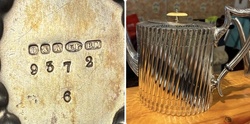
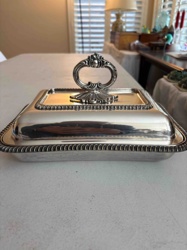
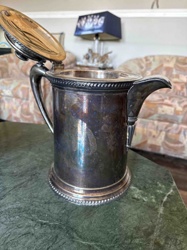
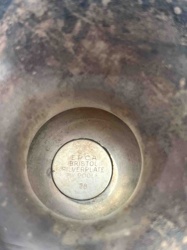
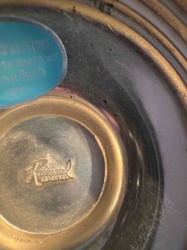
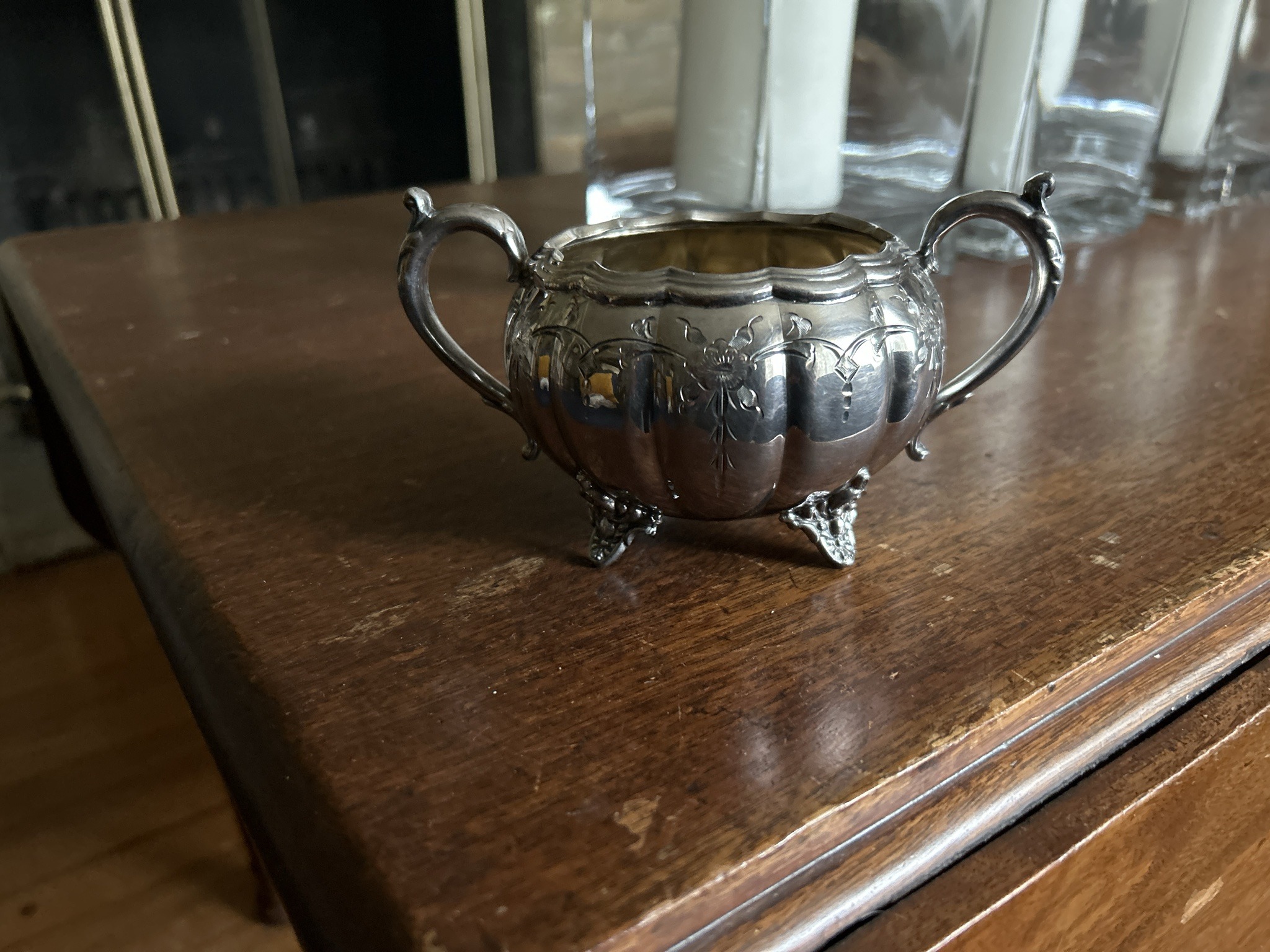
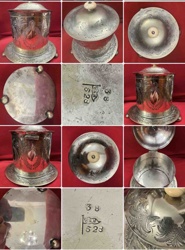
This is a Victorian-era open sugar bowl, identified by the user marking of 'E.P.B.M 323', which signifies Electroplated Britannia Metal—a specialized alloy of tin, antimony, and copper that was silver-plated. The vessel features a squat, bulbous 'pumpkin' or melon-lobed body with deep vertical fluting. It is adorned with intricate chased or engraved floral and foliate motifs within the upper panels. The bowl sits upon four decorative cast feet with scroll and acanthus leaf details. Two C-scroll handles with thumb rests are mounted to the sides, displaying a stylistic flair common in the mid to late 19th century. The rim is scalloped to follow the lobed contour of the body. The interior appears to have a slight gold wash or yellowish patina, typical for high-quality Victorian hollowware. Structurally, the piece appears sound, though there is visible surface tarnish and light scuffing consistent with age. The E.P.B.M. mark was widely used by prominent British manufacturers like James Dixon & Sons or Sheffield-based makers during the late 1800s, where '323' likely serves as a pattern or model number. The craftsmanship reflects the industrial artistry of the Victorian period, prioritizing ornate aesthetics for tea service.
Estimated Value

$45.00 - $75.00

Basic Information

Category

Antique Silverplate Hollowware

Appraised On

May 6, 2026

Estimated Value

$45.00 - $75.00

Additional Details Provided By Owner

User Provided Information

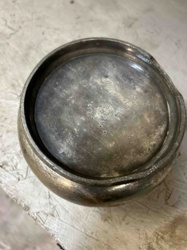
Victorian plate e.p.b.m 323

Item Description

This is a Victorian-era open sugar bowl, identified by the user marking of 'E.P.B.M 323', which signifies Electroplated Britannia Metal—a specialized alloy of tin, antimony, and copper that was silver-plated. The vessel features a squat, bulbous 'pumpkin' or melon-lobed body with deep vertical fluting. It is adorned with intricate chased or engraved floral and foliate motifs within the upper panels. The bowl sits upon four decorative cast feet with scroll and acanthus leaf details. Two C-scroll handles with thumb rests are mounted to the sides, displaying a stylistic flair common in the mid to late 19th century. The rim is scalloped to follow the lobed contour of the body. The interior appears to have a slight gold wash or yellowish patina, typical for high-quality Victorian hollowware. Structurally, the piece appears sound, though there is visible surface tarnish and light scuffing consistent with age. The E.P.B.M. mark was widely used by prominent British manufacturers like James Dixon & Sons or Sheffield-based makers during the late 1800s, where '323' likely serves as a pattern or model number. The craftsmanship reflects the industrial artistry of the Victorian period, prioritizing ornate aesthetics for tea service.
Get Your Items Appraised

Instant estimates of your treasures with AI-powered instant appraisals

Browse More Appraisals