Prehistoric Lithic Core Scraper Tool
Prehistoric Artifacts / Indigenous North American Lithics

Prehistoric Lithic Core Scraper Tool

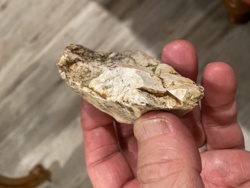
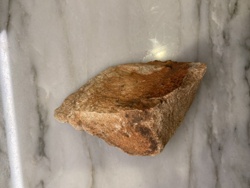
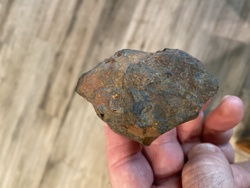
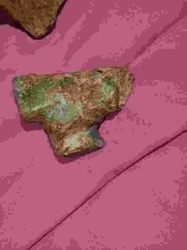
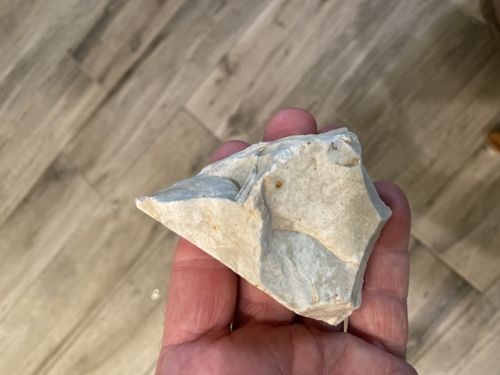
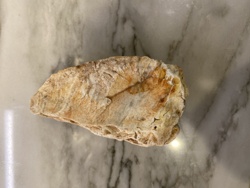
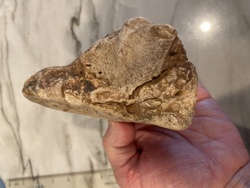
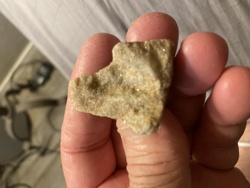
This is a prehistoric lithic artifact, specifically identified as a core or scraper tool, discovered in Guthrie, Oklahoma. Measuring approximately 3.25 by 2.25 inches, the object is crafted from a high-quality chert or flint material, exhibiting a predominant light grey to off-white coloration with subtle tan and cream variations. The tool shows clear evidence of intentional percussion flaking, with several large flake scars where material was removed to create a sharp, functional edge or to utilize the core as a source for smaller blades. The surface displays a distinct matte patina consistent with long-term environmental exposure and age. Notable physical characteristics include a thick, triangular cross-section and a tapered, jagged working edge, which suggests its use for heavy-duty scraping or cutting tasks. There is visible edge-wear and minor hinge fractures indicating prehistoric use, as well as small mineral deposits and staining typical of artifacts recovered from a subterranean or creek-side context. The construction demonstrates an expert knowledge of conchoidal fracture mechanics, characteristic of skilled lithic reduction techniques from indigenous North American cultures. Given its provenance and typology, this item likely dates back hundreds to thousands of years, potentially belonging to the Archaic or Woodland periods of regional prehistory. The quality of the stone suggests it may have been sourced from local Oklahoma quarries known for durable tool-making materials.
Estimated Value

$45.00 - $75.00

Basic Information

Category

Prehistoric Artifacts / Indigenous North American Lithics

Appraised On

February 17, 2026

Estimated Value

$45.00 - $75.00

Additional Details Provided By Owner

User Provided Information

Prospect prehistoric scraper lithic core tool found in Guthrie OK and 3.25 x 2.25

Item Description

This is a prehistoric lithic artifact, specifically identified as a core or scraper tool, discovered in Guthrie, Oklahoma. Measuring approximately 3.25 by 2.25 inches, the object is crafted from a high-quality chert or flint material, exhibiting a predominant light grey to off-white coloration with subtle tan and cream variations. The tool shows clear evidence of intentional percussion flaking, with several large flake scars where material was removed to create a sharp, functional edge or to utilize the core as a source for smaller blades. The surface displays a distinct matte patina consistent with long-term environmental exposure and age. Notable physical characteristics include a thick, triangular cross-section and a tapered, jagged working edge, which suggests its use for heavy-duty scraping or cutting tasks. There is visible edge-wear and minor hinge fractures indicating prehistoric use, as well as small mineral deposits and staining typical of artifacts recovered from a subterranean or creek-side context. The construction demonstrates an expert knowledge of conchoidal fracture mechanics, characteristic of skilled lithic reduction techniques from indigenous North American cultures. Given its provenance and typology, this item likely dates back hundreds to thousands of years, potentially belonging to the Archaic or Woodland periods of regional prehistory. The quality of the stone suggests it may have been sourced from local Oklahoma quarries known for durable tool-making materials.
Get Your Items Appraised

Instant estimates of your treasures with AI-powered instant appraisals

Browse More Appraisals