AI Appraisal Estimate

AI-generated estimates · not official valuations

From the user

What was submitted

Photo and notes provided by the user — not generated by AI

Submitted item photo
Submitted photo · June 28, 2026

User's notes

No additional notes provided.

AI analysis below

AI appraisal

AI analysis & estimate

AI-Generated · Verify before acting

Everything below is generated by AI for informational purposes only. AI can make mistakes — the AI may misidentify items or misattribute them (artist, maker, brand, designer, origin, era). This is not an official valuation and should not be used for insurance, sale, tax, estate, legal, or lending purposes — or any decision requiring a certified appraisal. It is not an authoritative claim about any person, brand, or rights holder — do not share or rely on it as a factual statement about a third party. Always consult qualified professionals before making financial decisions.

Read the full disclaimer

AI Identification

·Not independently authenticated·Verify before acting

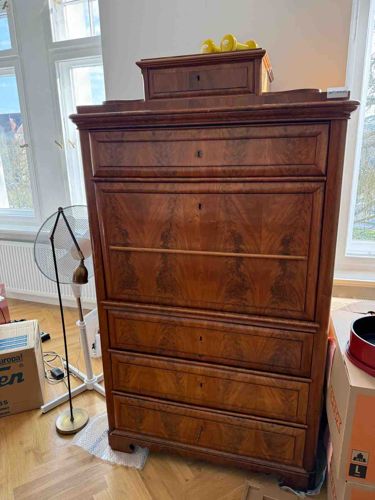
Biedermeier Walnut Secretaire Abattant

Antique Furniture

AI Estimated Value

·Not an official valuation·Verify before acting

$1,800 - $2,600

As of June 28, 2026

AI Item Analysis

·AI can make mistakes·Verify before acting
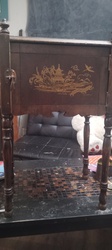
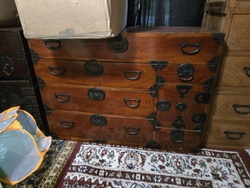
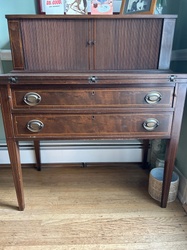
This is a substantial Biedermeier-style secretaire abattant, or drop-front secretary desk, likely dating from the mid-to-late 19th century. The piece features a vertical rectangular silhouette constructed from solid wood with rich, book-matched walnut veneers that showcase highly figured grain patterns throughout the front panels. The architecture consists of a shallow top drawer, a large central drop-front panel that opens to reveal an interior writing surface and likely a series of small drawers (not visible), followed by three full-width drawers below. A smaller, stepped-back jewelry or document box with a single drawer sits atop the main cornice. Each drawer and the central panel features a central lock escutcheon, though the keys are not pictured. The craftsmanship is evidenced by the precise book-matching of the veneers, creating symmetrical flame-like patterns. The condition appears fair to good; there is visible wear consistent with age, including minor surface scratches, some dullness to the finish on the top moldings, and small areas of veneer chips along the hard edges and base. The piece terminates in simple block-style feet. Its austere yet elegant lines and focus on natural wood beauty are characteristic of the Biedermeier era's emphasis on utility and domestic comfort.
AI Appraisal Report

·AI can make mistakes·Verify before acting
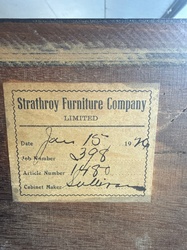
Based on my examination of the provided documentation and imagery, I have assessed this Biedermeier-style walnut secretaire abattant. The piece displays the hallmark characteristics of the mid-19th century, specifically the focus on 'nature's geometry' through expertly executed book-matched walnut veneers. The flame patterns on the fall-front are particularly striking, suggesting a high level of craftsmanship intended for a sophisticated domestic interior. The condition is consistent with an antique of this age; I noted typical friezing of the finish on the upper cornices and minor losses to the veneer along the base and edges. While these detract slightly from the value, they reinforce the piece's age and character. The market for Biedermeier remains stable for pieces with high-quality veneers, though it has softened from previous decades as modern interior trends favor more minimalist profiles. Comparable secretaires of this scale typically realize between $1,500 and $3,000 at specialized antique auctions, depending on the complexity of the interior fitment (nest of drawers, 'secret' compartments, or leather inlays), which remained obscured in this viewing. Note that this appraisal is based on photographic evidence. Significant limitations exist: I cannot verify the secondary woods (such as pine or oak) used in drawer construction, which are critical for dating. A physical inspection is required to check for hand-dovetailing and the presence of original locks. Furthermore, provenance or original 'maker's marks' often found in hidden cavities would significantly enhance the valuation. Full authentication requires examining the backboard and drawer bottoms to ensure they are not modern plywood replacements, which would drastically reduce the appraised value.

Get your items appraised

Instant estimates of your treasures with AI-powered appraisals

Browse More Appraisals