AI Appraisal Estimate

AI-generated estimates · not official valuations

From the user

What was submitted

Photo and notes provided by the user — not generated by AI

Submitted item photo
Submitted photo · June 14, 2026

User's notes

No additional notes provided.

AI analysis below

AI appraisal

AI analysis & estimate

AI-Generated · Verify before acting

Everything below is generated by AI for informational purposes only. AI can make mistakes — the AI may misidentify items or misattribute them (artist, maker, brand, designer, origin, era). This is not an official valuation and should not be used for insurance, sale, tax, estate, legal, or lending purposes — or any decision requiring a certified appraisal. It is not an authoritative claim about any person, brand, or rights holder — do not share or rely on it as a factual statement about a third party. Always consult qualified professionals before making financial decisions.

Read the full disclaimer

AI Identification

·Not independently authenticated·Verify before acting

Indian Brass Karahi (Kadai) Cooking Vessel

Antique Kitchenware and Decorative Metalwork

AI Estimated Value

·Not an official valuation·Verify before acting

$125 - $175

As of June 14, 2026

AI Item Analysis

·AI can make mistakes·Verify before acting
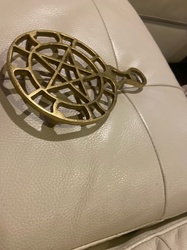
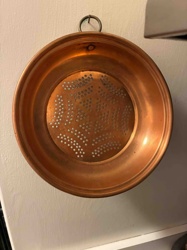
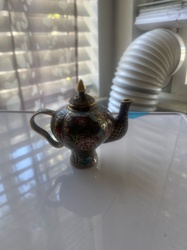
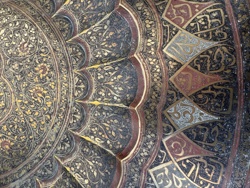
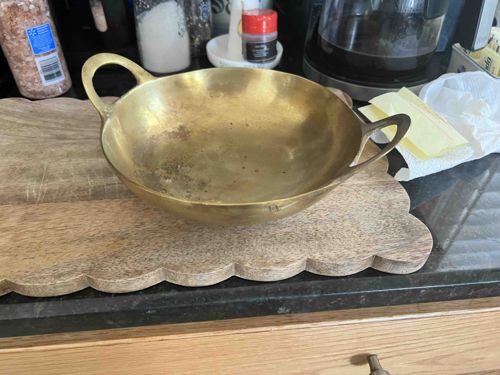
This is a vintage Indian-style Karahi, a traditional circular, deep-sided cooking vessel. It is constructed from cast brass, exhibiting a warm yellow-gold metallic hue. The pot features a rounded, wok-like bottom and two integrated 'C' shaped looped handles on opposite sides for lifting. The construction is solid and relatively thick, typical of traditional sand-casting methods. The interior shows significant signs of age and use, including dark oxidation spots, pitting, and a variegated patina that suggests regular contact with heat and acidic foods. There are visible surface scratches and minor indentations throughout the body, consistent with its age and utilitarian purpose. No specific maker's mark is visible in the image, but the organic, slightly irregular lines of the handles and rim suggest a handcrafted origin rather than a modern machine-pressed piece. This style of vessel has been used for centuries in South Asian cuisine for deep frying and slow cooking, and this particular example appears to date from the mid-20th century. The craftsmanship is robust and functional, designed for longevity and even heat distribution.
AI Appraisal Report

·AI can make mistakes·Verify before acting
I have conducted a visual analysis of this Indian Brass Karahi. The vessel manifests characteristics consistent with mid-20th-century sand-casting, specifically the slightly irregular handle symmetry and the thickness of the brass walls. The deep, variegated patina and oxidation within the interior suggest authentic culinary use rather than a modern decorative reproduction. While the surface shows pitting and minor indentations, these are considered 'honest wear' in utilitarian metalwork and do not significantly detract from its value. The market for antique Indian kitchenware is currently stable, driven by both the 'Global Rustic' interior design trend and collectors of traditional culinary tools. Comparable mid-sized brass Karahis typically fetch between $100 and $200 at specialty antique auctions or high-end vintage boutiques. The lack of a maker's mark is standard for these regional artisanal pieces and confirms a traditional origin over industrial manufacture. Several factors influence this valuation: the heavy gauge of the brass increases desirability, while the lack of a 'kalai' (tin lining) means it would require professional refurbishing if intended for modern food preparation. Note that this appraisal is based solely on digital imagery. A definitive authentication would require an in-person inspection to verify the metal's weight-to-volume ratio and a chemical lead-test on the surface to ensure safety and metallurgical composition. Provenance regarding the specific region of origin (e.g., Uttar Pradesh vs. Maharashtra) could further refine the valuation. Without physical handling, I cannot definitively rule out modern aged-distressing techniques, though the wear patterns appear consistent with genuine age.

Get your items appraised

Instant estimates of your treasures with AI-powered appraisals

Browse More Appraisals