AI Appraisal Estimate

AI-generated estimates · not official valuations

From the user

What was submitted

Photo and notes provided by the user — not generated by AI

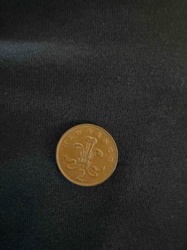
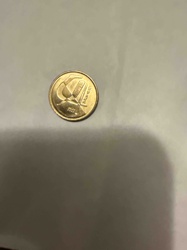
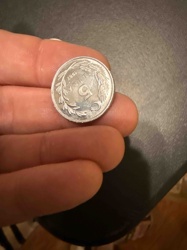
Submitted item photo
Submitted photo · June 15, 2026

User's notes

No additional notes provided.

AI analysis below

AI appraisal

AI analysis & estimate

AI-Generated · Verify before acting

Everything below is generated by AI for informational purposes only. AI can make mistakes — the AI may misidentify items or misattribute them (artist, maker, brand, designer, origin, era). This is not an official valuation and should not be used for insurance, sale, tax, estate, legal, or lending purposes — or any decision requiring a certified appraisal. It is not an authoritative claim about any person, brand, or rights holder — do not share or rely on it as a factual statement about a third party. Always consult qualified professionals before making financial decisions.

Read the full disclaimer

AI Identification

·Not independently authenticated·Verify before acting

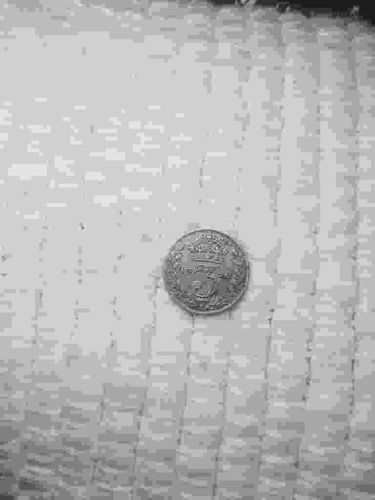
British Silver Threepence (Maundy or Currency Issue)

Numismatics / Coins

AI Estimated Value

·Not an official valuation·Verify before acting

$1.50 - $4.00

As of June 15, 2026

AI Item Analysis

·AI can make mistakes·Verify before acting
This item is a British silver threepence coin, specifically showing the reverse face. The design features a large numeral '3' crowned, flanked by the date '1942', and encircled by a wreath of oak leaves following the tradition of British Maundy coinage designs which were also used for standard currency. Physical characteristics include a diameter of approximately 16mm and a weight typically around 1.41 grams. By 1942, these coins were minted in .500 fine silver. The construction is a solid metal strike with a milled edge. Notable features include the detailed Tudor-style crown above the numeral and the intricate textured wreath. In terms of condition, the coin shows signs of circulation wear, with softened details on the higher points of the crown and numeral, as well as a duller patina typical of mid-20th-century silver alloys. The manufacturing details denote an official Royal Mint product from the reign of King George VI. This piece represents the final years of the silver threepence in general circulation before the transition to copper-nickel. The craftsmanship is indicative of high-pressure industrial minting, evidenced by the sharp border denticles and clear, balanced typography despite the small scale.
AI Appraisal Report

·AI can make mistakes·Verify before acting
I have examined the digital representation of this 1942 British Silver Threepence. The reverse design featuring the crowned '3' and oak wreath remains a classic of the George VI era. My visual inspection confirms the coin is a standard currency issue rather than a Maundy strike, evidenced by the characteristic circulation wear and surface patina. The coin shows moderate 'fine' to 'very fine' (VF) grade details, with noticeable smoothing on the higher relief elements of the crown and the numeral strokes. Market-wise, the 1942 silver threepence is a high-mintage year with over 7.3 million struck. These were among the last 50% silver threepieces produced before the total transition to nickel-brass. Because these were hoarded in large quantities during the transition and WWII, they are common in today’s numismatic market. Comparables for circulated examples consistently trade at or near their bullion value with a slight numismatic premium, typically fetching between $1.50 and $4.00. High-grade uncirculated specimens would command more, but this example lacks the original mint luster required for that bracket. While the strike appears consistent with Royal Mint standards, a definitive guarantee of authenticity is restricted by image quality. To fully authenticate this piece, I would require an in-person examination to verify its weight (1.41g) and diameter (16.2mm), and to perform a ring test or X-ray fluorescence (XRF) to confirm the .500 silver alloy. Detailed edge inspection is also necessary to rule out contemporary counterfeits. Provenance documentation, while helpful for provenance, is generally not required for coins of this modest market value.

Get your items appraised

Instant estimates of your treasures with AI-powered appraisals

Browse More Appraisals