Early American Pattern Glass (EAPG) Deviled Egg Pedestal Server
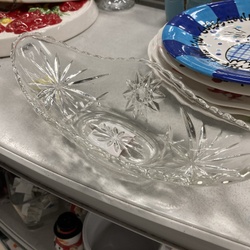
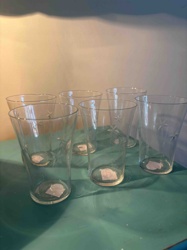
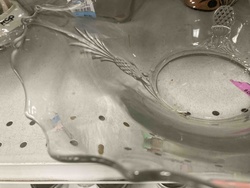
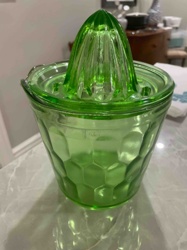
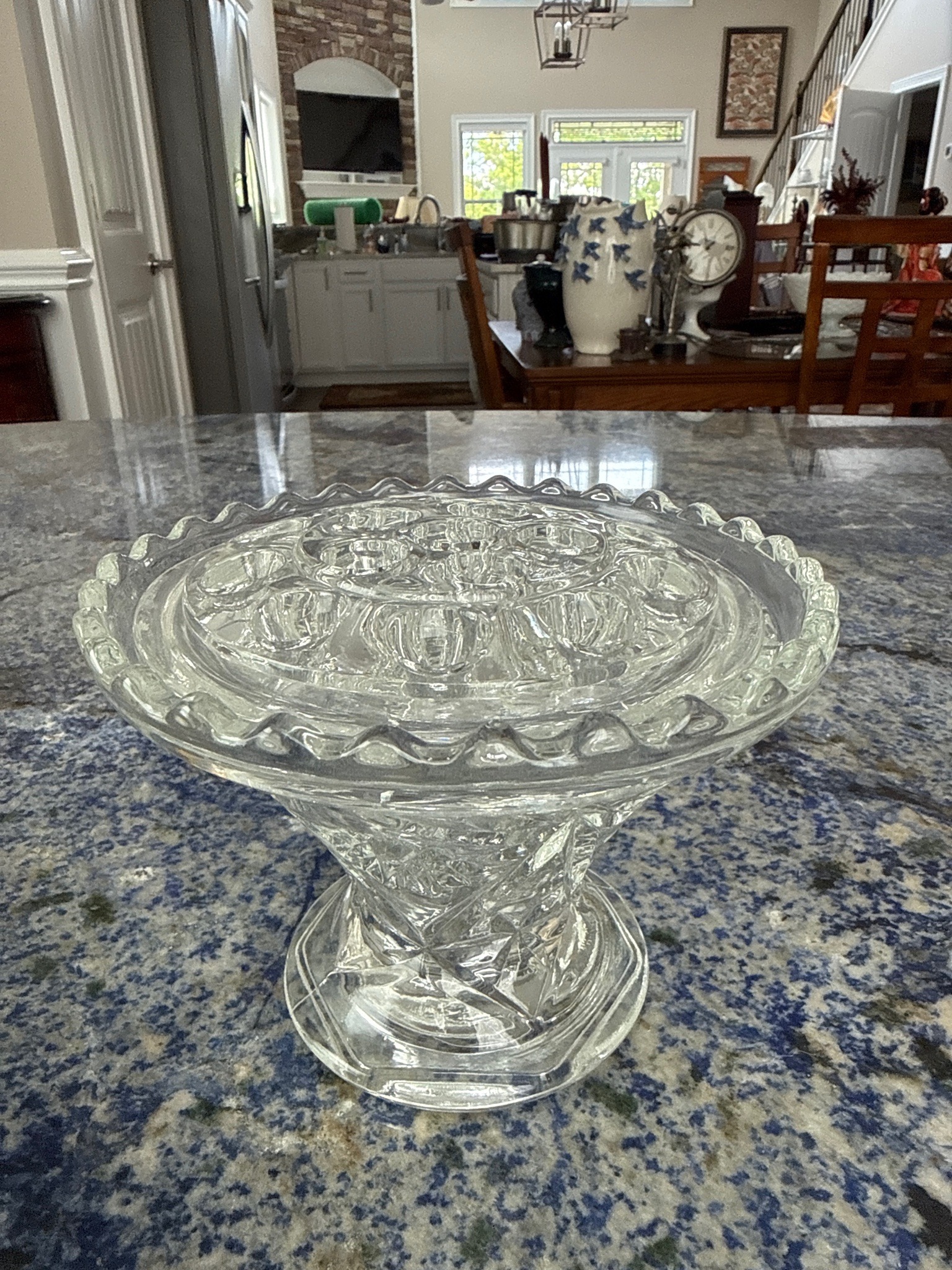
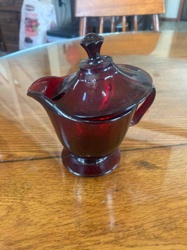
This is a vintage pressed clear glass deviled egg server featuring a pedestal or 'compote' style base. The primary platter section is characterized by a circular arrangement of deep indentations or wells designed to hold halved eggs securely. The outer rim is finished with a decorative scalloped or 'sawtooth' edge, adding a sophisticated texture to the profile. Centered within the egg wells is a larger raised decorative motif, typically used for garnishes or toothpicks. The pedestal base exhibits a geometric pressed pattern, likely a variation of a diamond or starburst cut, which provides both stability and visual interest through light refraction. Made of heavy pressed flint or soda-lime glass, the piece shows no immediate cracks or significant chips in the provided view, though some light surface scratching and 'strike marks' consistent with mid-20th-century glass manufacturing and domestic use are expected. The style suggests an American manufacturer such as Indiana Glass, Anchor Hocking, or Fenton, likely dating from the mid-1940s to the 1960s. The clarity of the glass and the crispness of the mold lines indicates a mass-market but high-quality domestic product intended for formal entertaining.
AI-Generated Appraisal Disclaimer
Estimated Value
$35.00-$55.00
Basic Information
Category
Vintage Glassware / Kitchenalia
Appraised On
May 1, 2026
Estimated Value
$35.00-$55.00
Item Description
This is a vintage pressed clear glass deviled egg server featuring a pedestal or 'compote' style base. The primary platter section is characterized by a circular arrangement of deep indentations or wells designed to hold halved eggs securely. The outer rim is finished with a decorative scalloped or 'sawtooth' edge, adding a sophisticated texture to the profile. Centered within the egg wells is a larger raised decorative motif, typically used for garnishes or toothpicks. The pedestal base exhibits a geometric pressed pattern, likely a variation of a diamond or starburst cut, which provides both stability and visual interest through light refraction. Made of heavy pressed flint or soda-lime glass, the piece shows no immediate cracks or significant chips in the provided view, though some light surface scratching and 'strike marks' consistent with mid-20th-century glass manufacturing and domestic use are expected. The style suggests an American manufacturer such as Indiana Glass, Anchor Hocking, or Fenton, likely dating from the mid-1940s to the 1960s. The clarity of the glass and the crispness of the mold lines indicates a mass-market but high-quality domestic product intended for formal entertaining.
Related Tags
Explore similar items and categories:
Get Your Items Appraised
Instant estimates of your treasures with AI-powered instant appraisals