AI Appraisal Estimate

AI-generated estimates · not official valuations

From the user

What was submitted

Photo and notes provided by the user — not generated by AI

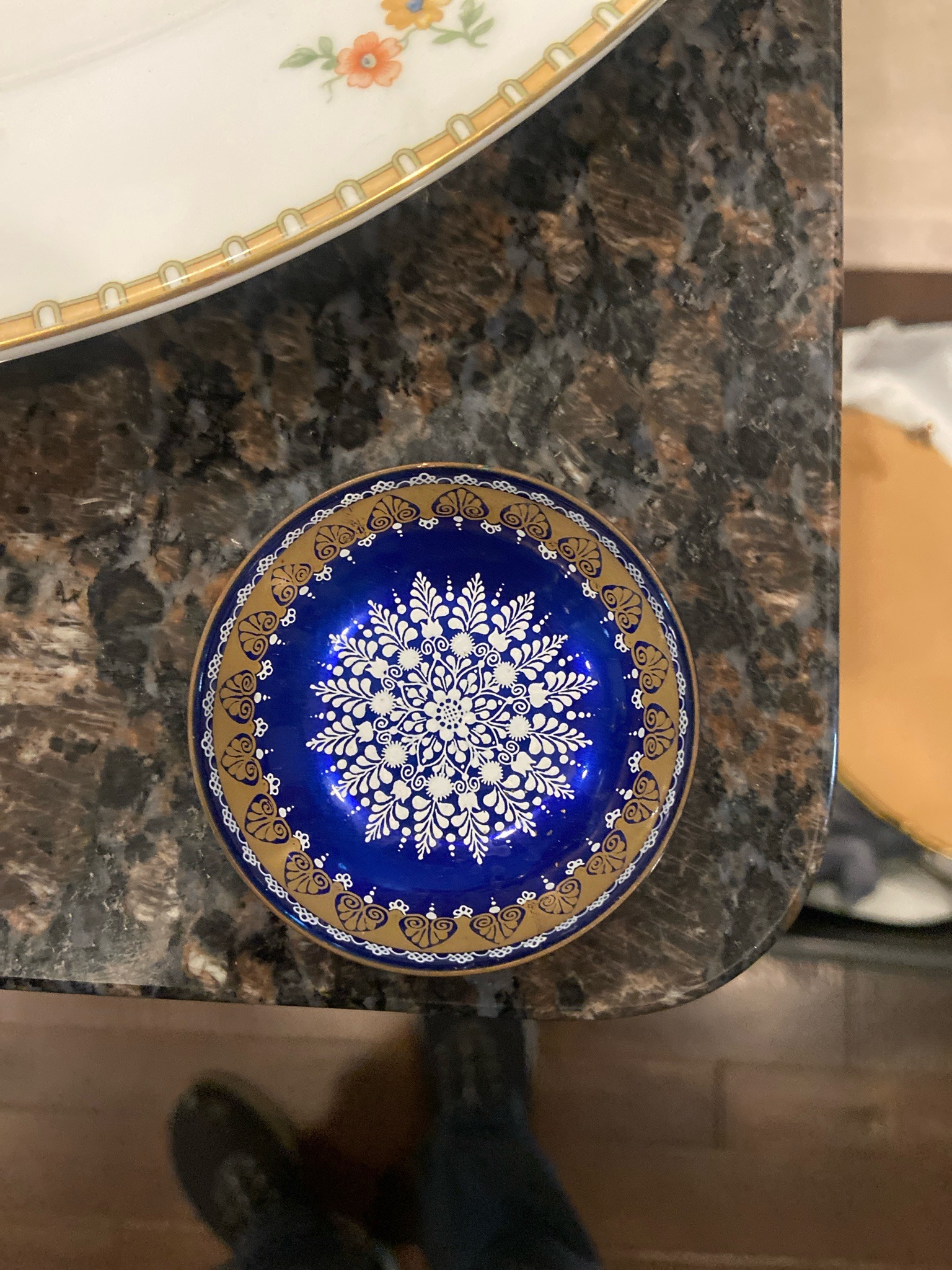
Submitted item photo
Submitted photo · June 8, 2026

User's notes

No additional notes provided.

AI analysis below

AI appraisal

AI analysis & estimate

AI-Generated · Verify before acting

Everything below is generated by AI for informational purposes only. AI can make mistakes — the AI may misidentify items or misattribute them (artist, maker, brand, designer, origin, era). This is not an official valuation and should not be used for insurance, sale, tax, estate, legal, or lending purposes — or any decision requiring a certified appraisal. It is not an authoritative claim about any person, brand, or rights holder — do not share or rely on it as a factual statement about a third party. Always consult qualified professionals before making financial decisions.

Read the full disclaimer

AI Identification

·Not independently authenticated·Verify before acting

Persian Enameled Copper Bowl (Minakari Art)

Cultural Art / Decorative Persian Metalwork

AI Estimated Value

·Not an official valuation·Verify before acting

$150 - $250

As of June 8, 2026

AI Item Analysis

·AI can make mistakes·Verify before acting
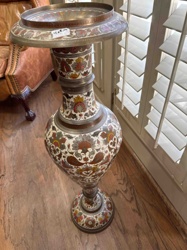
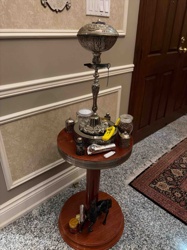
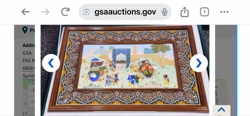
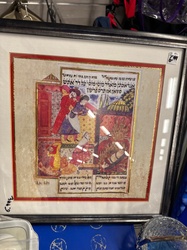
This is a small decorative Persian dish featuring traditional Minakari (enameling) craftsmanship. The item is likely constructed from a hand-hammered copper base, which has been coated with a vibrant cobalt blue enamel ground. The center of the piece displays an intricate, symmetrical mandala-like floral pattern rendered in white 'aslimi' motifs. The fine line-work suggests a steady hand and high-quality artistic execution. Surrounding the central motif is a wide gilded border featuring repeating heart-shaped or fan-like palmette patterns in a bronze or gold tone, interspersed with small white floral accents. The rim is finished with a thin gold edge. Its style sits firmly within the traditional Persian handicrafts of Isfahan, likely dating from the mid-to-late 20th century or the contemporary era. Condition-wise, the piece appears well-preserved with high gloss and intense color saturation. There are no immediate signs of enamel chipping or copper oxidation (pitting), though minor surface micro-scratches from handling may be present. The gilding on the border retains a strong metallic sheen, indicating it has not been over-polished. Similar pieces are often signed on the reverse by the individual artist, though the mark is not visible in this top-down perspective.
AI Appraisal Report

·AI can make mistakes·Verify before acting
Based on my visual examination of this Persian Minakari enameled copper bowl, I find it to be a high-quality example of Isfahan metalwork, likely dating from the contemporary period (Late 20th Century to present). The craftsmanship is superior; the symmetry of the 'aslimi' motifs and the consistency of the cobalt blue ground indicate a skilled artisan. The condition appears excellent with no visible 'pitting' or enamel loss, which often occurs when the copper base expands and contracts at different rates than the glass coating. The gilding on the decorative border is particularly well-preserved, maintaining a bright luster without the typical wear seen on frequently handled utility items. The current market for Minakari is stable but saturated with contemporary production. Prices are driven by the complexity of the pattern and the reputation of the workshop. While this piece exhibits fine detail, it lacks the extreme rarity of 19th-century Qajar-era enamels which command thousands. Comparable sales for modern Isfahan pieces of this size typically fall within the $150 to $250 range. The value would be at the higher end if a signed signature from a recognized master, such as the Faizullah family workshops, is present on the underside. Limitations: This appraisal is based solely on digital imagery. Full authentication requires an in-person inspection to verify the weight of the copper base and confirm the absence of modern epoxy fillers used in lesser-quality replicas. To definitively confirm its age and origin, I would require provenance documentation or a physical inspection of the firing marks on the base. Scientific testing of the enamel pigments could further distinguish modern chemical dyes from traditional mineral-based oxides.

Get your items appraised

Instant estimates of your treasures with AI-powered appraisals

Browse More Appraisals