Mid-Century Lane Cedar Hope Chest
Furniture

Mid-Century Lane Cedar Hope Chest

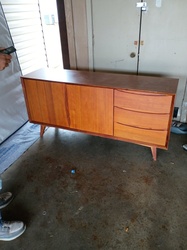
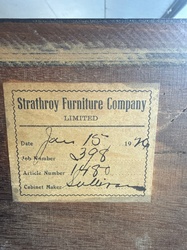
This is a vintage cedar-lined 'hope chest,' likely manufactured by Lane Furniture, a brand synonymous with this style of domestic storage. The piece features a rectangular box construction with a flat top lid that functions as a bench. It is characterized by a natural, light-colored wood finish, potentially blonde oak or maple veneer over a solid cedar core. The front panel exhibits decorative carved or incised geometric and floral motifs typical of mid-20th-century American furniture design. The base is integrated with a slight plinth or bracket-style foot, providing stability. In terms of condition, the exterior shows visible surface wear, scratches, and some discoloration to the finish, which is common for furniture of this age (estimated 1950s–1970s). The internal cedar lining is intended to maintain its aromatic oils to protect fabrics from moths, though its efficacy depends on the seal. The craftsmanship appears to be sturdy, industrial-grade production focused on utility and aesthetic longevity. No specific maker's mark is visible from this angle, but such chests typically contain a serial number or brand stamp on the interior base or inside of the lid.

Estimated Value

$250 - $450

Basic Information

Category

Furniture

Appraised On

March 17, 2026

Estimated Value

$250 - $450

Item Description

This is a vintage cedar-lined 'hope chest,' likely manufactured by Lane Furniture, a brand synonymous with this style of domestic storage. The piece features a rectangular box construction with a flat top lid that functions as a bench. It is characterized by a natural, light-colored wood finish, potentially blonde oak or maple veneer over a solid cedar core. The front panel exhibits decorative carved or incised geometric and floral motifs typical of mid-20th-century American furniture design. The base is integrated with a slight plinth or bracket-style foot, providing stability. In terms of condition, the exterior shows visible surface wear, scratches, and some discoloration to the finish, which is common for furniture of this age (estimated 1950s–1970s). The internal cedar lining is intended to maintain its aromatic oils to protect fabrics from moths, though its efficacy depends on the seal. The craftsmanship appears to be sturdy, industrial-grade production focused on utility and aesthetic longevity. No specific maker's mark is visible from this angle, but such chests typically contain a serial number or brand stamp on the interior base or inside of the lid.
Get Your Items Appraised

Instant estimates of your treasures with AI-powered instant appraisals

Browse More Appraisals