AI Appraisal Estimate

AI-generated estimates · not official valuations

From the user

What was submitted

Photo and notes provided by the user — not generated by AI

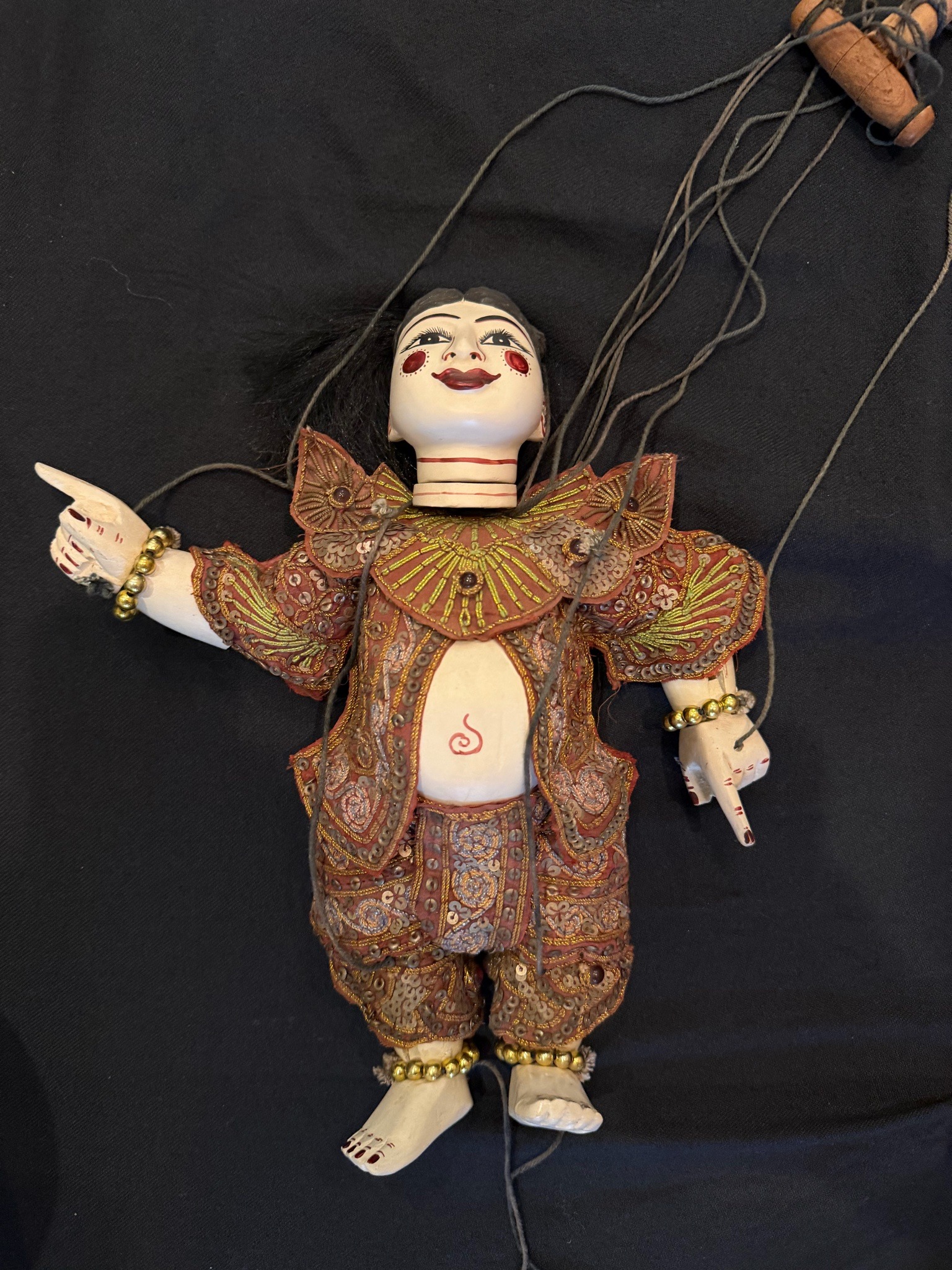
Submitted item photo
Submitted photo · June 13, 2026

User's notes

No additional notes provided.

AI analysis below

AI appraisal

AI analysis & estimate

AI-Generated · Verify before acting

Everything below is generated by AI for informational purposes only. AI can make mistakes — the AI may misidentify items or misattribute them (artist, maker, brand, designer, origin, era). This is not an official valuation and should not be used for insurance, sale, tax, estate, legal, or lending purposes — or any decision requiring a certified appraisal. It is not an authoritative claim about any person, brand, or rights holder — do not share or rely on it as a factual statement about a third party. Always consult qualified professionals before making financial decisions.

Read the full disclaimer

AI Identification

·Not independently authenticated·Verify before acting

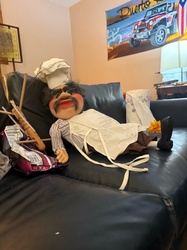
Burmese Yoke Thé Marionette

Asian Antiques / Collectible Puppetry

AI Estimated Value

·Not an official valuation·Verify before acting

$450 - $650

As of June 13, 2026

AI Item Analysis

·AI can make mistakes·Verify before acting
This is a hand-crafted Burmese string puppet, known as Yoke Thé, representing a human or spirit figure in traditional courtly attire. The body is constructed from carved wood, featuring an articulated neck, shoulders, and limbs. The puppet is dressed in elaborate red and gold 'shwe chi doe' (kalaga-style) embroidery, heavily adorned with hand-stitched sequins, glass beads, and metallic gold-wrapped threads. This textile work demonstrates high craftsmanship, featuring flared shoulder pads and a central scalloped collar known as a 'loun-gyi'. The face is finely painted in white with black lined eyes and red accents on the lips and cheeks, typical of the Mandalay style of puppetry. The hands are carved into expressive gestures with gold-beaded bracelets at the wrists. The strings are attached to a traditional wooden cross-handle (hka-pauy), though they appear slightly tangled. Notably, there is a red spiral-shaped navel mark painted on the midsection. The condition shows light patina on the wood and some minor fraying of the textile edges, suggesting it is a late 20th-century piece intended for performance or high-quality souvenir trade. The black hair is likely synthetic or horsehair, and there are no visible maker's marks, which is common for these traditional folk-art items.
AI Appraisal Report

·AI can make mistakes·Verify before acting
I have carefully examined the high-resolution images provided of the Burmese Yoke Thé marionette. The item displays characteristic Mandalay-style artisanal features, most notably the 'shwe chi doe' (gold embroidery) which appears to be hand-stitched with glass beads and sequins. The wood carving shows moderate refinement, particularly in the expressive hand gestures and facial painting. Based on the material wear and the use of synthetic components for the hair, I estimate this to be a mid-to-late 20th-century piece. It is a high-quality example of the 'souvenir' or 'performance' grade puppets produced for the revived interest in marionette theater during the 1970s-90s. The market for Burmese puppetry is stable but highly dependent on the complexity of the costume and the condition of the wood. Comparable pieces of this size and detail regularly sell in the $400-$700 range. The primary value drivers here are the intactness of the sequins and the presence of the original 'hka-pauy' handle, despite the tangling. The lack of significant wood cracking or paint loss (flaking) maintains its aesthetic appeal for collectors of Southeast Asian folk art. Limitations: Visual examination alone cannot confirm the specific wood species or the age of the textiles. A physical inspection would be required to check for structural repairs under the clothing, 'hidden' maker marks on the wooden torso, and the presence of insect damage. For full authentication of an 'antique' status (pre-WWII), I would require provenance documentation or Carbon-14 testing of the textile fibers; however, current visual evidence suggests it is a vintage contemporary piece rather than a 19th-century artifact.

Get your items appraised

Instant estimates of your treasures with AI-powered appraisals

Browse More Appraisals