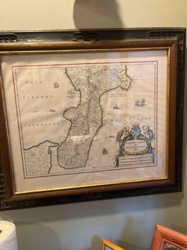
Antique Copperplate Engraved Map of Central Asia - Tabula VII Asiae
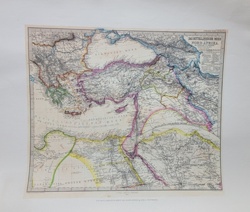
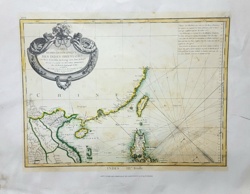
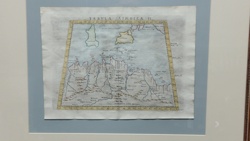
This is an original copperplate engraving of a classical map titled 'Tabula VII Asiae,' which depicts parts of Central Asia including Scythia, Sogdiana, Bactria, and Hyrcania. The map is based on Ptolemaic geography, showing the Caspian Sea (Hyrcanum et Caspium) and various mountain ranges of the region. It features a decorative rococo-style title cartouche in the upper right corner with intricate scrolls and acanthus leaf motifs. The engraving shows fine line work denoting river systems, topographical features represented by stylized 'molehill' mountains, and numerous Latin place names. The map is bordered by a graduated latitude and longitude scale. Physical characteristics include a heavy-weight laid paper with visible chain lines. The condition is fair to good for its age, showing significant water staining or foxing along the lower left corner and light creasing on the right margin. The ink remains dark and crisp, indicating a strong impression. This style of map typically dates from the late 16th to early 18th century, likely from an edition of Geographia or a similar classical atlas. Quality indicators include the sharp execution of the Latin typography and the detailed ornamentation of the cartouche, suggesting a skilled engraver of the period.
AI-Generated Appraisal Disclaimer
Estimated Value
$450 - $650
Basic Information
Category
Antique Maps and Cartography
Appraised On
March 15, 2026
Estimated Value
$450 - $650
Item Description
This is an original copperplate engraving of a classical map titled 'Tabula VII Asiae,' which depicts parts of Central Asia including Scythia, Sogdiana, Bactria, and Hyrcania. The map is based on Ptolemaic geography, showing the Caspian Sea (Hyrcanum et Caspium) and various mountain ranges of the region. It features a decorative rococo-style title cartouche in the upper right corner with intricate scrolls and acanthus leaf motifs. The engraving shows fine line work denoting river systems, topographical features represented by stylized 'molehill' mountains, and numerous Latin place names. The map is bordered by a graduated latitude and longitude scale. Physical characteristics include a heavy-weight laid paper with visible chain lines. The condition is fair to good for its age, showing significant water staining or foxing along the lower left corner and light creasing on the right margin. The ink remains dark and crisp, indicating a strong impression. This style of map typically dates from the late 16th to early 18th century, likely from an edition of Geographia or a similar classical atlas. Quality indicators include the sharp execution of the Latin typography and the detailed ornamentation of the cartouche, suggesting a skilled engraver of the period.
Get Your Items Appraised
Instant estimates of your treasures with AI-powered instant appraisals