AI identification & appraisal estimate

Coin of Uzbekistan

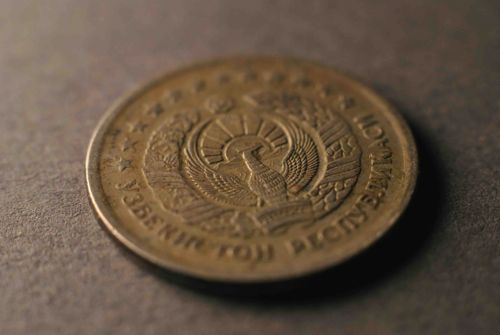
Submitted photo of Coin of Uzbekistan
Photo submitted by the user — not generated by AI

AI Estimated Value

Not an official valuation

$0.50-2.00

AI estimate as of June 25, 2025 · verify with a professional before acting

AI-Generated · Verify before acting

Everything on this page is generated by AI for informational purposes only. AI can make mistakes — the AI may misidentify items or misattribute them (artist, maker, brand, designer, origin, era). This is not an official valuation and should not be used for insurance, sale, tax, estate, legal, or lending purposes — or any decision requiring a certified appraisal. It is not an authoritative claim about any person, brand, or rights holder — do not share or rely on it as a factual statement about a third party. Always consult qualified professionals before making financial decisions.

Read the full disclaimer

AI Item Analysis

The item is a circular metallic coin, appearing to be composed of a copper-alloy such as bronze or brass, indicated by its muted, aged brown and golden coloration and a noticeable absence of original luster. While its precise dimensions cannot be determined from the image, it resembles a standard circulation coinage size. The visible side, most likely the obverse, features the national emblem of Uzbekistan prominently. This detailed emblem includes a stylized Huma bird with outstretched wings, symbolizing happiness and freedom, positioned above a rising sun. Encircling the central design are elements consistent with sheaves of wheat and cotton bolls, reflecting the nation's agricultural heritage. Along the outer rim, a Cyrillic inscription is clearly visible, spelling out "УЗБЕКИСТОН РЕСПУБЛИКАСИ" (Republic of Uzbekistan), unequivocally establishing its origin. A series of small stars or similar decorative elements surrounds this inscription. The coin shows clear indications of extensive circulation; its raised details are softened by wear, and the surface exhibits numerous fine scratches and abrasions. A rich, uneven dark brown patina covers the entire surface, particularly accentuating the recessed areas of the design and contributing to its aged appearance. There are no signs of catastrophic damage like nicks or bends, but the overall state is consistent with a well-circulated specimen, suggesting a grade in the Fine to Very Fine range. No specific date or mint mark is identifiable from the visible surface. Stylistically, the coin belongs to the post-Soviet period of Uzbekistan, likely minted in the 1990s or early 2000s, following the country's independence and adoption of new nationalist symbols. The craftsmanship aligns with robust production standards for circulating currency, prioritizing durability over numismatic finish.

AI Appraisal Report

Based on my visual examination of the provided image, I have assessed this circular metallic coin from Uzbekistan. The coin appears to be authentic as a circulating piece from the post-Soviet era, likely from the 1990s or early 2000s, given its design featuring the national emblem and Cyrillic inscription “УЗБЕКИСТОН РЕСПУБЛИКАСИ.” Its composition of a copper-alloy and the robust production standards are consistent with typical circulation coinage. The condition of the coin is consistent with extensive circulation, placing it in the Fine to Very Fine range. The raised details are softened, and the surface shows numerous fine scratches and abrasions. A rich, uneven dark brown patina covers the entire surface, which is typical for aged copper-alloy coins and does not detract significantly from its value for a common coin. There is no evidence of catastrophic damage like bends or nicks. From a market perspective, modern circulating coins from Uzbekistan, especially without a specific rare date or denomination identifiable, typically have limited numismatic value. They are generally not considered rare, and demand primarily comes from new collectors building type sets or world coin specialists. Without knowing the precise denomination or year, it's challenging to identify any specific rarity. As a common post-independence coin in average circulated condition and lacking any precious metal content, its value is largely driven by its collectible appeal rather than inherent scarcity or material value. It is crucial to note that my assessment of authenticity is based solely on visual characteristics from the image. For a definitive authentication, a physical examination would be necessary to verify precise weight, dimensions, edge type, and metallic composition (e.g., via X-ray fluorescence). Surface characteristics under magnification could also reveal details about striking methods or potential alterations not visible in the image. Provenance documentation, while unlikely for such a coin, would further confirm its history.

Keep exploring

More coin appraisals

Get your items appraised

Instant AI-powered appraisal estimates from a photo

Browse More Appraisals